
How Robotics And Other Technologies Are Changing The Medical Field
A look into the current and soon-to-be medical capabilities of robots and artificial intelligence.
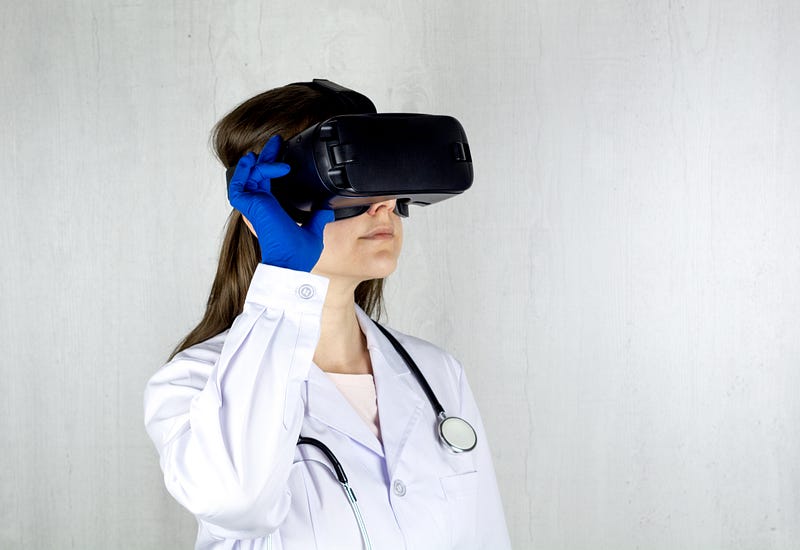
Some of us have probably already heard about certain innovations in the medical field. To name one: the daVinci Surgical Robot used for endoscopic surgeries, is a popular tool amongst surgeons.
Whilst these are the kind of robotics that are currently being used in the medical field, some of us may be left wondering if actual robots — the kind we see on television — will find a place in the healthcare system as well.
Some Examples
daVinci Robot
A repeatedly discussed example of a fine piece of medical innovation is the daVinci surgical robot.
This robot allows for smoother, finer and easier surgical interactions with a patient on the operating table. An image we all know is a patient lying down on a table, the initiation of anesthesia and the surgeon working to fix a problem. This line of work requires a certain dexterity and skill, which is also crucial for robotic surgery, though in a different way.
daVinci allows the OR personnel to install the robot at the operating table by inserting a set of so-called trocars into the body, by which the robot operates. However, it can not operate on its own. There is the absolute need for a surgeon behind a console, basically showing the machine what to do.
There are a few big benefits to this kind of surgery, such as smaller wounds and scientifically proven shorter time periods needed for healing. On top of that, while the surgeon still needs to perform the procedure, the machine can convert his or her movements into much smaller movements, allowing for incredibly precise work.
Radiology and Artificial Intelligence
Unlike most of us think, artificial intelligence already knows a few use cases in medicine, and particularly in radiology. Today it is being used for predictions in equipment maintenance and other tasks like that. In the future, it may be able to pinpoint small tumors on medical imaging.
Although it would be a big technological advancement to aim for full automation, contemporary reports mainly discuss AI’s as being useful in assisting doctors and medical personnel, rather than becoming an equal.
While deep-learning algorithms are already being used, they are not yet widely spred. They could facilitate the process of postprocessing images or calculating several variables in nuclear medicine, for example.
They could serve several great purposes, but we’re not quite there yet. I’m very excited to see where we are headed though.
Full Automation
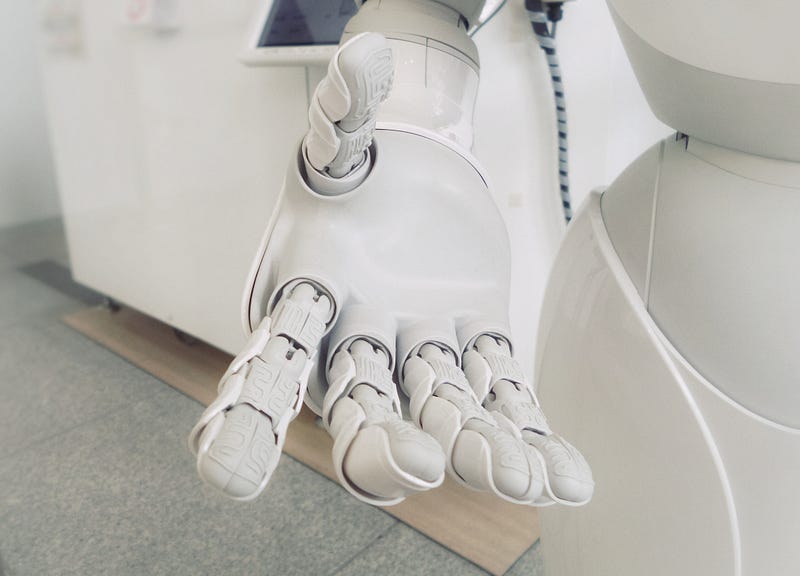
An important sidenote should be made here. Is it really possible to one day replace medical staff with robots and advanced forms of artifical intelligence? This is a question that many philosophers and computer scientists could discuss heavily.
In my slightly biased opinion, achieving something like this would require robotics to be so advanced that they would be indistinguishable from a human in a multitude of ways. Yes, this may become a possibility sometime in the future, but I don’t believe a machine will be able to understand the human psyche like a human does anytime soon.
Furthermore, the amount of variables between two different human beings is extremely high. We shouldn’t forget what the human brain is capable of in these cases. We can make decisions in a split second, and while I’m sure a computer can do this as well, I’m also convinced that at this point in time and technological advancement, it can not yet take every single detail into account.


