
How Red Bull Uses Psychology to Sell 15k Cans a Minute
Red Bull’s growth is a masterclass in customer psychology
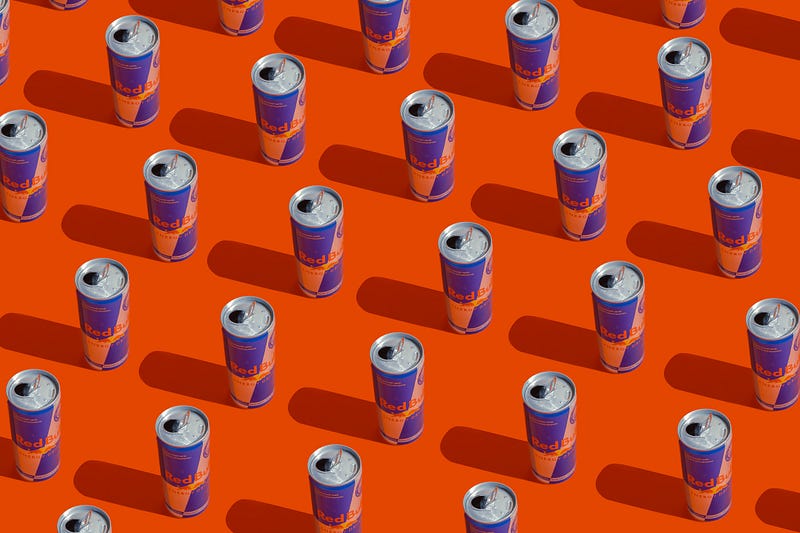
Since Red Bull launched in 1987, it’s sold more than 100 billion cans. Every year, it sells about 15,000 cans every single minute (that’s about 8 billion a year). Its logo is recognized around the world, not only on its cans but also on its Formula 1 team cars.
But it wasn’t always so successful.
In 1982, an Austrian marketing executive named Dietrich Mateschitz had flown to Thailand for a business trip. He was suffering from the frequent flyer’s curse — jetlag — but he needed to bounce back for an important meeting.
On a whim, he tried a local drink, called Krating Daeng. His jetlag disappeared almost instantly.
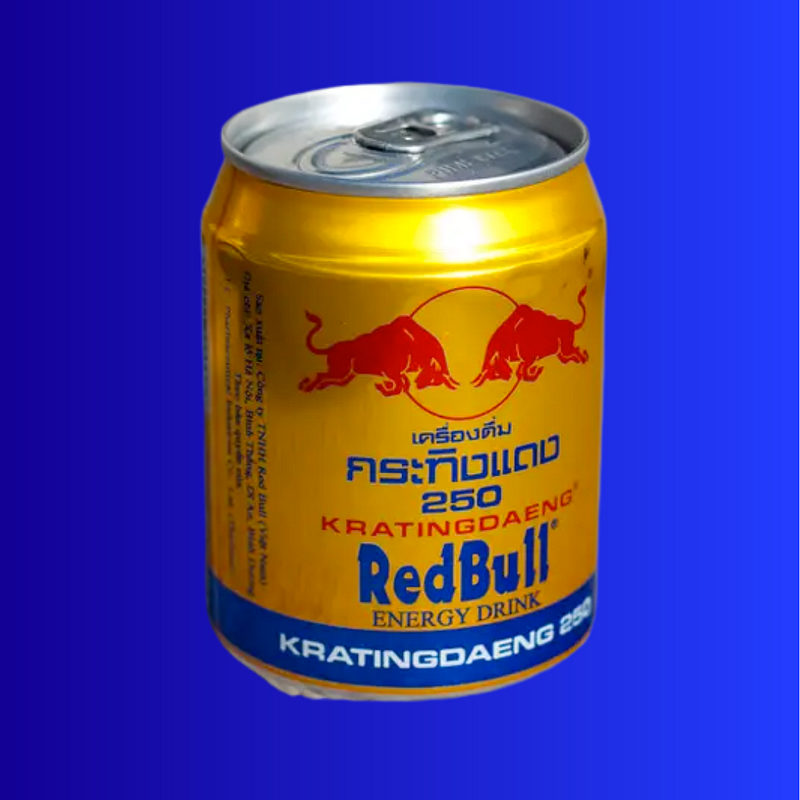
Mateschitz knew if he could adapt this product for the Western market, he would have a hit on his hands.
One small hurdle: the category was completely new. There was no such thing as an “energy drink” in the US or Europe (despite their popularity in East Asia).
When he entered the Western market, Dietrich had two things:
- A tagline: Red Bull gives you wings
- Some disappointing customer research that said his potential customers hated the product
But he was determined that the brand would succeed.
Extreme Emotions = Extreme Growth
Red Bull had a tiny marketing budget, so they had to get creative.
First, they hired college students to work as Red Bull ambassadors on campuses.

This worked, to an extent. But didn’t reach the scale Mateschitz knew the brand was capable of.
For Red Bull to become as big as he knew it could be, he had to take on two of the world’s most powerful brands — Coca-Cola and Pepsi.
Both famous for their sports marketing.
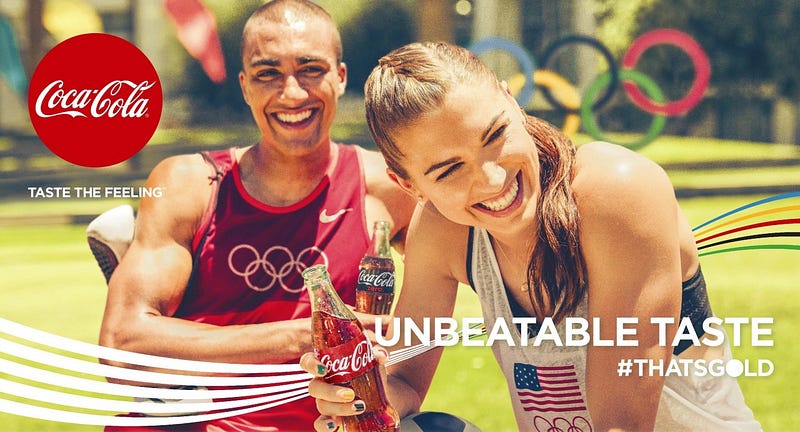
But Red Bull couldn’t afford to sponsor a Premier League football team, an NFL franchise, or the Olympics. So they started reaching out to young and hungry “extreme athletes” who were often overlooked by big brands and their big budgets.
Dietrich was convinced this strategy would work because he knew (consciously or not) three things about customer psychology:
- Getting attention for a brand was much easier when they were a part of something attention-grabbing (like extreme sports).
- The more emotional a moment is, the more likely we are to remember it.
- When a brand grabs our attention AND our emotions, it lodges itself in our memories. And when a brand is stuck in your brain, you’re much more likely to buy it.
Mateschitz knew that the emotions we experience watching death-defying sports could cement Red Bull into our brains. And this insight into memory and human behavior created a $10B brand.
Consistency Build Memories. Memories Build Brands.
There are tree things have remained constant in Red Bull’s marketing:
- Its iconic blue and white can
- Its mass-market advertising style
- Its logo
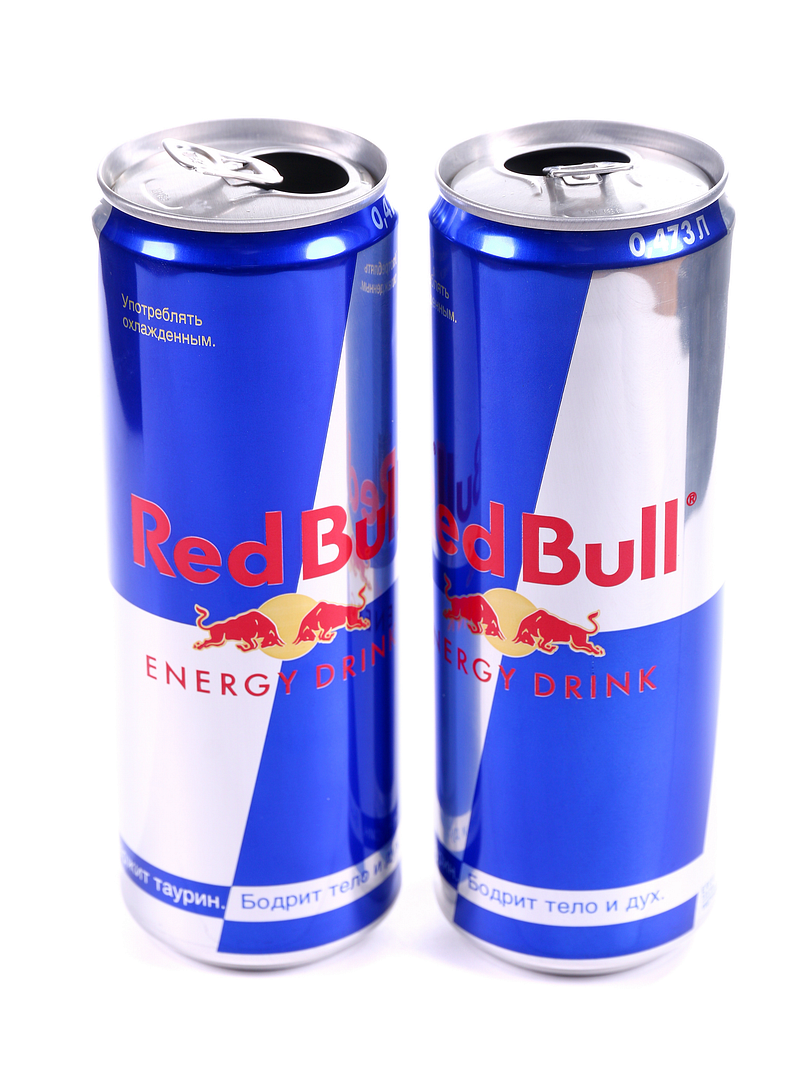
The Can
Since Red Bull launched in 1987, its can design hasn’t changed. Sure, the brand has added some new products and even a light blue version of the can for its sugar-free product but its primary product’s packaging has remained consistent.
The Advertising
If I showed someone the commercial below — do you think they could guess which brand it was from?
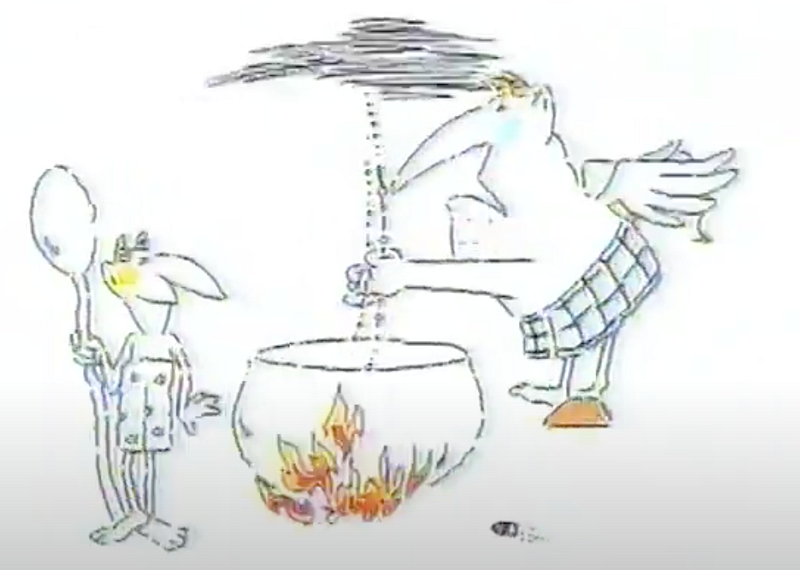
The answer is most likely a yes.
But why? It’s not just because Red Bull’s visual advertising style is different than any other brand’s. It’s because their distinctive style of TV ads has been running for almost 30 years.
If you’d only seen this ad once, in 1997, you probably wouldn’t connect this unique style with Red Bull. But it’s the brand’s consistency and repetition that gets us to recognize this as a Red Bull commercial from the very first frame.
The Logo
Although Krating Daeng’s logo was adapted for the Red Bull product in 1987, it didn’t change much. And once it was created in 1987, the logo didn’t change at all.
That consistency (and the discipline to keep the logo unchanged) helped build what would eventually become Austria’s most valuable brand, and one of the world’s most recognized companies.
The Bottom Line
If you want your brand to stick in people’s minds like Red Bull, start by asking yourself:
❓What emotions do people feel in association with our brand? Like Red Bull, you might choose excitement or adrenaline. Like Coca-Cola, you might choose happiness. Like Disney, you might choose the magic of childhood.
❓How consistently are we using our brand images and words during these emotional moments? Red Bull wouldn’t have been as successful building its brand if it had redesigned its logo or can every five years. It takes a long time to get people to remember a brand — and it’s 100x harder if the message, logo, or product is constantly changing.
Getting traffic but not enough sales, leads, or clients? 👇
What if you could quickly understand a customer’s impressions of your digital experience, get rapid expert feedback, and immediately understand how to improve your experience with marketing psychology and behavioral science?
My popular Choice Hacking CX Audit can help you.
✅ 43-point CX Audit
✅ Drive sales and retention
✅ Build your brand for the long-term
// What is a Customer Experience Audit?
Part expert review, part user research, and part behavioral diagnostic, I record a video teardown of your website or marketing experience and share my initial recommendations in an actionable 43-point CRO report.
Each audit will help you:
✅ Instantly understand flaws in your messaging, visuals, design & information architecture
✅ Quickly identify areas where behavioral science and persuasive design can help your business accomplish its goals
✅ Predictive AI Salience analysis to understand what users are noticing and what they’re missing.
To see an example audit or schedule yours, visit: https://www.choicehacking.com/customer-experience-audit