
How Prisoners with Autism Survive in One Pennsylvania Prison
Corrections within America is a complicated, somewhat taboo subject — but it is important to shed light on the absolute disparity that exists for prisoners with developmental disabilities.
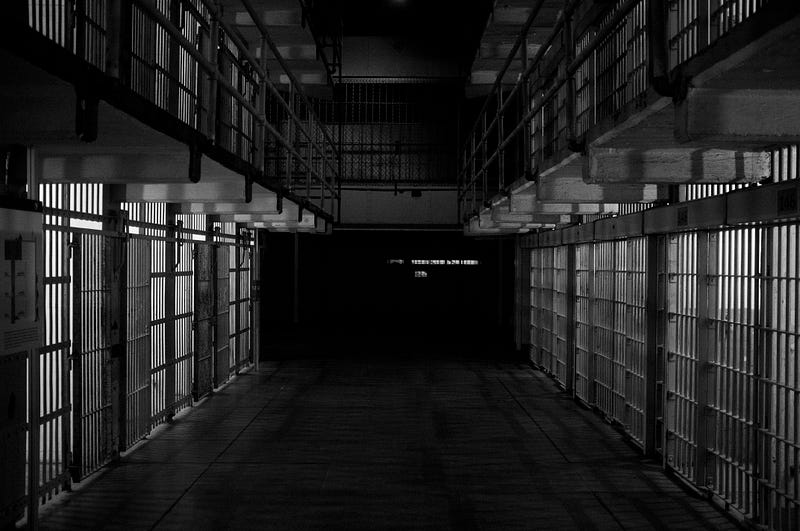
Yep, you read that right. Today were taking a trip to the doghouse.
Believe it or not, I have quite a bit of experience with the inner workings of America’s correctional system, specifically state prisons, and let me tell you — they’re not fun in the slightest.
Not that they’re meant to be, of course, but there is a certain level of nuance that must be observed to full understand and represent the complex issues of crime within America.
For prisoners with autism, however, there is an inherent inequality that exists.
You see, corrections doesn’t like to treat anyone special per say.
If you come to your case manager requesting a bed move, for example, they’re likely to fire back at you that they only move beds for “facility need”.
Whatever that means.
Regardless, most prisons within America are not equipped to deal with neurodivergent individuals because prisons are not mental health institutions with staff trained in handling issues that affect those populations.
Yes, there are certain programs and some staff members in place to aid, but for the most part they are not equipped to handle prison.
Between overstimulating environments, complex mental health issues, and the inherent trauma one experiences while incarcerated — prisoners with autism really struggle with the entire correctional experience.

Welcome to the Seg Unit
I recently read about a prison in Pennsylvania who tackled this issue by creating a segregated unit for individuals with developmental disabilities.
Often times, individuals with ASD who are incarcerated have to simply keep quiet and press through the correctional environment to avoid kicking up any trouble.
What’s interesting is that this seg unit is equipped with sensory friendly rooms, colors, and contains a variety of staff equipped to deal with the needs of individuals with ASD and other developmental disorders.
Often times, when one thinks of a “seg unit”, they think of somewhere that incarcerated individuals who pose a threat to the rest of the population go.
That’s simply not true!
In my own experience, often times the seg unit is where people want to go to avoid trouble. However, in the context of corrections, a seg unit is any unit segregated from the rest of the population (called the general pop).
With this sensory friendly segregated unit established away from the general pop, individuals with sensory issues can have a better place to flourish.

Wait, Did You Say “Flourish”?
Yes, yes I did!
Prison is terrible in many ways, but there are still some benefits for incarcerated individuals.
Traumatic life experience and struggles may have prevented an individual from completing their education.
Maybe a lack of job skills prevented them from obtaining a good, legal job that could provide for their needs.
Maybe they lack life skills due to the environment they were raised in.
It may be a controversial take but — just because someone is incarcerated doesn’t mean they’re a bad person.
There are many, MANY issues with how corrections is handled within the United States (something I’d love to explore another time), a huge part of that being extreme punishments for minor crimes.
Incarcerated individuals face stigma and discrimination long after they are released.
The best that we can do is recognize that often times, criminal behaviors are the result of trauma, past experiences, and a society that dealt them a bad hand to begin with.
This all beyond the scope of this article — but its an important point to make that incarcerated individuals have rights and deserve to be respected!
As such, permitting incaracerated individuals to obtain a GED, learn job skills, and to grow as an individual through programs is imperative to preventing them from falling back into the corrections system upon release.
This program, dedicated to helping an underrepresented population, is a step in the right direction.
Personal Experience
I don’t want to divulge into my past experience with the correctional environment — at least not right now! But I do want to make a point.
There is a lack of resources dedicated to individuals with ASD who are, for lack of a better word, victims of the correctional system of the United States.
This lack of resources leads many individuals with ASD and other developmental disorders to become “repeat offenders”, as they are not given the resources to flourish.
Promoting these resources and advocating for incarcerated populations is important to creating a society that focuses on human rights and equality for all.
Jacob Herald is a blogger detailing his journey as a neurodivergent individual in this crazy world. Feedback welcome!


