
How price affects consumer behavior?
Here’s how I think price change will affect our decisions
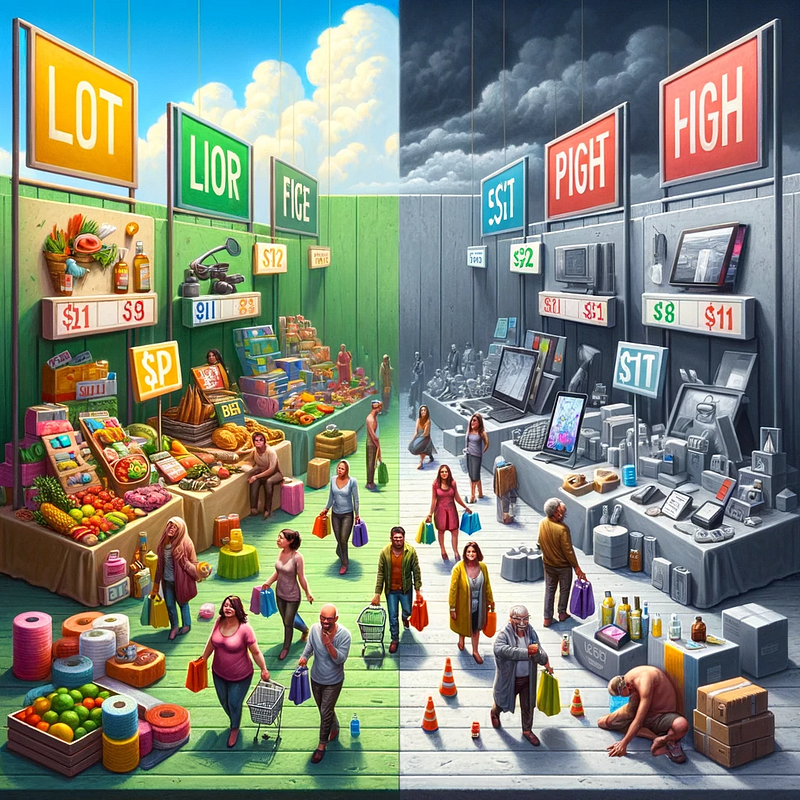
Last week, The Economics Daily (TED) released the CPI report for 2023. CPI, or consumer price index, basically measures how prices have changed over the past year.
Interestingly, egg prices increased by a whopping 60% last year, while this year it’s car insurance that has seen a 20% hike compared to last year.
As I analyze these numbers, I’m trying to understand how they impact people’s purchasing decisions.
With my trusty laptop and a cup of espresso by my side, I delved into the data to make sense of it all.
Now, let’s dive deeper into these impacts and explore how they vary across different age groups and income levels.
Here are my 5 key takeaways:
1. Food Prices
It’s no secret that when food prices go up, our shopping habits change.
For the budget-conscious, especially among lower-income groups and the younger crowd (yes, I’m looking at you, millennials and Gen Z), this means swapping out those organic avocados for something more wallet-friendly.
In the short term, we’re seeing a shift away from luxury eats to essentials. But here’s where it gets interesting in the long term: brand loyalty is taking a hit.
Middle-aged and older consumers are now eyeing the price tag as closely as the nutrition label, leading to a spike in demand for affordable yet healthy options.
2. Energy Prices
I was surprised to learn that energy prices are declining.
With fuel oil and utility gas, we’re saving a little cash.
This extra spending power is great news for middle and upper-income groups, leading to a mini-boom in discretionary spending — think gadgets, fashion, or maybe that fancy coffee machine you’ve been eyeing.
In the long run, though, it’s all about going green. I am reading a lot on social media about GEN Z being especially environmentally conscious and turning to energy-efficient products and services.
You can learn a lot from those people about thinking twice before leaving the lights on.
3. Vehicle Costs
Car prices are down from last year, but car insurance is booming. Car insurance was always high, but this year they’re higher probably because of the bad guys attacking ships in the Red Sea
Although car prices are lower than last year, they’re still high compared to pre-pandemic. They’ll keep buying new cars since they’re used to the new price and don’t remember the old one.
Looking ahead, I expect to see a surge in interest in eco-friendly and cost-effective transport solutions, particularly among the tech-savvy and environmentally conscious.
Some of my customers aren’t sure what car to buy, or if they should sell their car or wait. In order to help them with this, I created a special app
4. Medical Care Costs
Sadly, this one hits home.
Rising costs for medical care, especially for essentials like non-prescription drugs and hospital services, are a real pain point, especially for lower-income and elderly groups.
But adversity breeds innovation. Middle-aged consumers will lead the charge in focusing on preventative healthcare and alternative treatments. I know AI can also help develop new drugs faster and cheaper
5. The Role of Consumer Values, Digital Literacy, and Information Access
My last point is that consumers’ values, digital savvy, and information access are changing the game.
Sustainability, health consciousness, and cost-effectiveness are no longer trendy terms; they’re the pillars of modern consumerism (and that how it should be)
Younger, tech-savvy consumers are using their digital prowess to scout for the best deals, compare prices, and make smart buying decisions.
With digital literacy and easy access to information, consumers can adjust to economic changes quickly.
With chatGPT today, I can ask anything and get better buying advice
My Final Thoughts
The TED economic trends for 2022–2023 paint a picture of a changing consumer market.
Short-term effects are predominantly about immediate cost adjustments, but the long-term implications?
They’re about shifts in brand loyalty, preferences, and lifestyle choices. For smart consumers, digital literacy and access to information aren’t just advantages, they’re necessities.
I predict AI will have a big impact on how people buy in the coming year
Nikita


