
How People Fight Loneliness in Different Countries
Here are some traditional, outside-the-b0x or innovative examples of how people fight loneliness in different countries:
Japan — Robot Companions: With an aging population and busy lifestyles, Japan has seen the rise of robotic companions designed to alleviate loneliness among older adults. For example, PARO is a therapeutic robot in the form of a baby seal that responds to touch and voice, providing companionship and emotional support to seniors in care facilities.

Australia — Men’s Sheds: In Australia, Men’s Sheds have become popular community spaces where men gather to socialize, share skills, and work on DIY projects together. These sheds provide a supportive environment for men to combat social isolation and strengthen connections with peers.
United Kingdom — Befriending Services: Various organizations in the UK offer befriending services where volunteers provide companionship and support to individuals experiencing loneliness. These volunteers visit or call lonely individuals regularly, offering conversation, friendship, and a listening ear.
Netherlands — Senior Co-Housing: In the Netherlands, senior co-housing communities have emerged as a solution to combat loneliness among older adults. These communities consist of private homes clustered around shared spaces, encouraging social interaction and mutual support among residents while allowing for privacy and independence.
Sweden — Sharing Economy Platforms: In Sweden, sharing economy platforms like “Papaya” connect people who are willing to share their time, skills, and resources with others in their community. Through these platforms, individuals can find companionship, join interest-based groups, and participate in various activities together.
South Korea — Donga Living: In South Korea, “Donga” refers to multi-generational housing arrangements where several generations of a family live together in a single household. Donga living fosters strong familial bonds, provides companionship for older adults, and helps combat loneliness by ensuring constant social interaction within the family unit.
India — Community Kitchens: In India, community kitchens or “langars” are common in Sikh temples (Gurdwaras) and other places of worship. These kitchens provide free meals to anyone in need, fostering a sense of community and belonging while combating food insecurity and loneliness among marginalized populations.
United States — Virtual Social Clubs: With the rise of technology, virtual social clubs have become popular in the United States. These clubs use video conferencing platforms to bring people together for virtual gatherings, activities, and discussions, allowing individuals to connect with others from the comfort of their own homes.
Finland — “Rent a Finn” Program: In Finland, Visit Finland launched the “Rent a Finn” program, where tourists can stay with local Finnish hosts and experience authentic Finnish hospitality. The program aims to promote cultural exchange, friendship, and combat loneliness by connecting travelers with friendly locals.
Canada — Community Gardens: Across Canada, community gardens have become popular spaces where people come together to grow food, socialize, and connect with nature. These gardens provide opportunities for individuals to bond over a shared interest in gardening while fostering a sense of community and belonging.
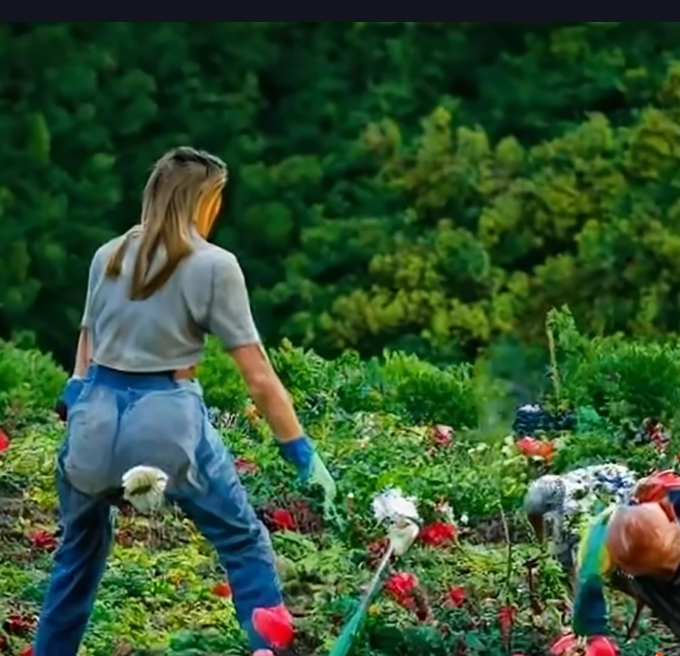
Germany — Wohnzimmer Cafés: In Germany, Wohnzimmer Cafés or “living room cafes” have emerged as cozy and intimate spaces where people can gather to socialize, relax, and enjoy coffee or tea. These cafés mimic the atmosphere of a living room, creating a welcoming environment for individuals to connect and combat loneliness.
Brazil — “Acompanhantes” Program: In Brazil, the city of Belo Horizonte implemented the “Acompanhantes” program, which pairs volunteers with hospitalized patients who lack family or social support. These volunteers provide companionship, emotional support, and assistance with daily tasks, helping patients feel less lonely during their hospital stay.
New Zealand — Walking Groups: In New Zealand, walking groups have become popular among older adults as a way to stay active and combat loneliness. These groups organize regular walks in local parks or scenic areas, providing opportunities for socializing, making new friends, and enjoying the outdoors together.
Singapore — Hawker Centers: In Singapore, hawker centers are bustling food markets where people from diverse backgrounds gather to enjoy affordable and delicious meals. These centers serve as social hubs where individuals can connect over food, share stories, and build friendships, contributing to a sense of community and belonging.
Italy — “Couchsurfing” Events: In Italy, the Couchsurfing platform is used to organize social events and gatherings where travelers and locals can meet, socialize, and exchange cultural experiences. These events provide opportunities for people to connect, make new friends, and combat loneliness while exploring new cities or neighborhoods.
Norway — Outdoor Activity Groups: In Norway, outdoor activity groups have gained popularity as a way to combat loneliness and promote physical well-being. These groups organize hiking, skiing, and other outdoor adventures, providing opportunities for people to connect with nature and each other while engaging in healthy activities.
South Africa — Township Tours: In South Africa, township tours have become a popular way for tourists to experience local culture and connect with residents in historically marginalized areas. These tours often include visits to community projects, cultural performances, and interactions with local artisans, providing opportunities for cultural exchange and fostering connections between visitors and residents.
Taiwan — “YouBike” Sharing Program: In Taiwan, the “YouBike” bike-sharing program offers convenient and affordable transportation options while also encouraging social interaction and community engagement. People can rent bikes from stations located throughout cities, promoting active lifestyles and creating opportunities for spontaneous encounters and connections with others.
Argentina — Tango Therapy Classes: In Argentina, tango therapy classes have gained popularity as a unique way to combat loneliness and promote emotional well-being. These classes use tango dancing as a form of therapy, allowing participants to connect with others, express themselves creatively, and build confidence through movement and social interaction.

France — “Petit Papillon” Program: In France, the “Petit Papillon” program pairs volunteers with elderly individuals who may be at risk of social isolation and loneliness. Volunteers visit seniors in their homes, offering companionship, assistance with errands, and engaging in activities such as reading, gardening, or crafting, fostering meaningful connections and improving the well-being of participants.
India — Senior Citizen Day Care Centers: In India, senior citizen day care centers have been established to provide a supportive environment for elderly individuals who may be experiencing loneliness or social isolation. These centers offer a range of activities, including socializing, games, crafts, and educational programs, to promote social interaction and engagement among participants.
Spain — Intergenerational Living Communities: In Spain, intergenerational living communities have emerged as a way to combat loneliness and foster connections between different age groups. These communities bring together seniors, families, and young professionals to live in shared housing complexes or neighborhoods, encouraging mutual support, companionship, and the exchange of knowledge and experiences.
Thailand — Community Libraries: In Thailand, community libraries have become gathering places where people can access books, participate in workshops, and engage in cultural activities. These libraries serve as hubs for social interaction and learning, providing opportunities for people of all ages to connect with others and share their interests and passions.
Denmark — “Fællesspisning” (Community Dining): In Denmark, “Fællesspisning” or community dining events are organized in local communities to bring people together for shared meals and conversation. These events promote social cohesion, belonging, and a sense of community by providing opportunities for neighbors to connect and get to know each other in a relaxed and informal setting.
Switzerland — Friendship Benches: In Switzerland, “friendship benches” have been installed in public spaces as a simple yet effective way to combat loneliness and promote social connection. These benches are designated spots where people can sit and strike up conversations with strangers, fostering spontaneous interactions and building community bonds.
Indonesia — Community Gardening Projects: In Indonesia, community gardening projects have been launched in urban areas to promote social cohesion, environmental sustainability, and food security. These projects bring people together to cultivate shared green spaces, grow fruits and vegetables, and engage in collaborative activities that strengthen community ties and combat loneliness.
Mexico — “Pláticas” (Conversation Circles): In Mexico, “pláticas” or conversation circles are informal gatherings where people come together to engage in meaningful discussions on various topics. These circles provide opportunities for individuals to connect with others, share experiences, and build friendships while fostering a sense of community and belonging.
Greece — “Kafeneio” Culture: In Greece, traditional “kafeneio” coffeehouses serve as important social hubs where people gather to socialize, play games, and exchange stories over coffee. These establishments promote social interaction, camaraderie, and a sense of belonging within local communities.
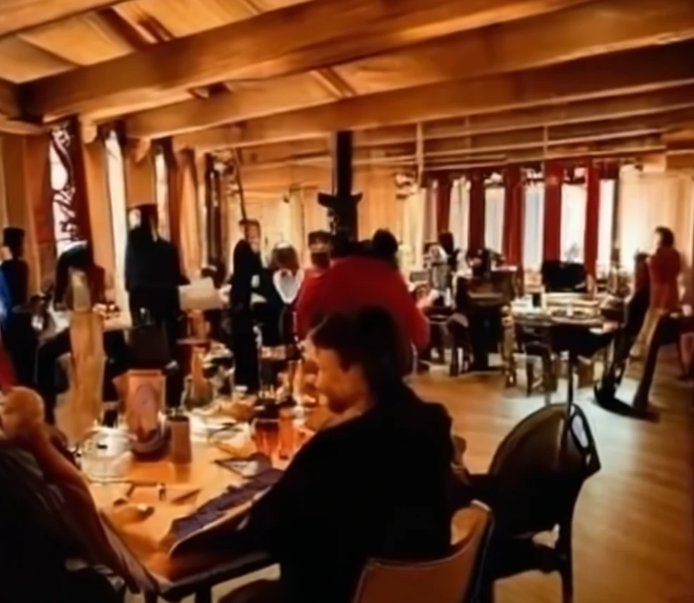
Malaysia — Community Street Libraries: In Malaysia, community street libraries have been established in public spaces, allowing people to borrow, exchange, and donate books freely. These libraries serve as focal points for community engagement and interaction, promoting literacy, education, and social connection.
Peru — Peruvian Paso Horse Parades: In Peru, Peruvian Paso horse parades are vibrant cultural events where communities come together to celebrate their heritage and traditions. These parades feature beautifully adorned horses and riders, live music, and festive activities, providing opportunities for people to connect and celebrate together.
Vietnam — “Cơm Việt” (Vietnamese Communal Dining): In Vietnam, “cơm việt” or Vietnamese communal dining is a cultural tradition where people gather to share meals and stories with friends, family, and neighbors. These gatherings promote social bonding, hospitality, and a sense of belonging within the community.
Czech Republic — “Hospoda” Culture: In the Czech Republic, “hospoda” pubs are popular meeting places where people gather to socialize, enjoy drinks, and engage in lively conversations. These pubs play a central role in Czech social life, providing opportunities for people to connect and unwind after work or during leisure time.
Russia — Dacha Gardening Communities: In Russia, dacha gardening communities have long been established as spaces where urban dwellers escape to the countryside to cultivate gardens, relax, and socialize with neighbors. These communities promote a sense of belonging, cooperation, and shared responsibility among participants.
Brazil — “Roda de Choro” (Choro Circle): In Brazil, “roda de choro” or choro circle gatherings are informal musical gatherings where people come together to play and enjoy traditional Brazilian music. These circles promote social interaction, cultural exchange, and a sense of camaraderie among musicians and music enthusiasts.
Nigeria — “Mama Put” Restaurants: In Nigeria, “mama put” restaurants are local eateries known for their affordable and home-cooked meals. These restaurants serve as social hubs where people from diverse backgrounds gather to enjoy meals together, share stories, and forge connections over food.
Portugal — “Fado” Singing Clubs: In Portugal, “fado” singing clubs are venues where people gather to listen to and sing traditional Portuguese folk music. These clubs provide opportunities for cultural expression, social interaction, and emotional connection through music.
Morocco — “Hammam” Baths: In Morocco, “hammam” or public baths are traditional communal spaces where people come together to cleanse, relax, and socialize. These baths promote physical and social well-being, providing opportunities for people to connect and unwind in a shared environment.
South Korea — Hanok Stay Programs: In South Korea, hanok stay programs offer tourists the opportunity to experience traditional Korean hospitality by staying in traditional hanok homes. These programs promote cultural exchange, friendship, and cross-cultural understanding between visitors and local hosts.
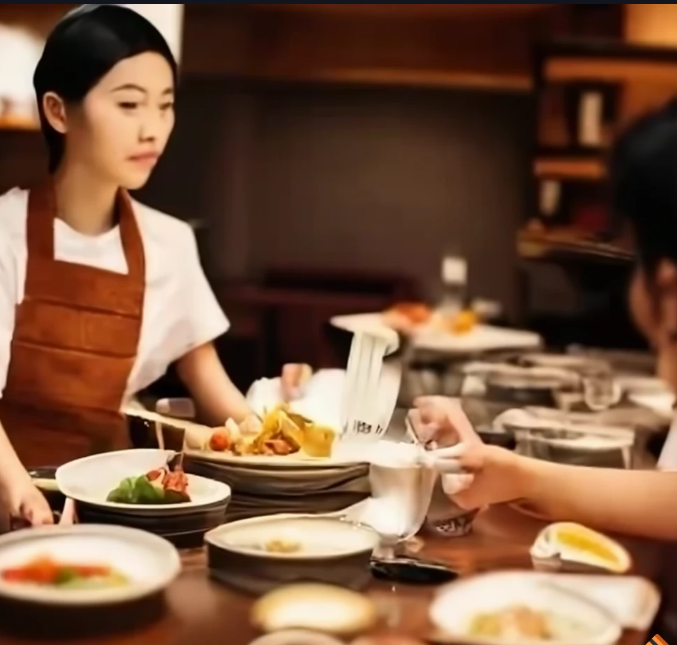
Turkey — “Çay Bahçesi” (Tea Gardens): In Turkey, “çay bahçesi” or tea gardens are popular gathering places where people come together to enjoy tea, conversation, and relaxation. These gardens serve as social hubs where people of all ages connect and socialize in a casual and welcoming atmosphere.
Ireland — “Seisiún” (Traditional Music Sessions): In Ireland, “seisiún” or traditional music sessions are informal gatherings where musicians come together to play traditional Irish music. These sessions promote cultural exchange, community engagement, and a sense of belonging within the local music scene.
Argentina — Tango Therapy Classes: In Argentina, tango therapy classes have gained popularity as a unique way to combat loneliness and promote emotional well-being. These classes use tango dancing as a form of therapy, allowing participants to connect with others, express themselves creatively, and build confidence through movement and social interaction.
Canada — Community Building Through Food Trucks: In some Canadian cities, community organizations have collaborated with food trucks to create pop-up events in local neighborhoods. These events bring people together to enjoy a variety of cuisines, fostering social interaction and a sense of community while supporting local businesses.
Germany — “Wohnzimmer” (Living Room) Cafés: In Germany, “Wohnzimmer” or living room cafés have emerged as cozy and intimate spaces where people can gather to socialize, relax, and enjoy coffee or tea. These cafés mimic the atmosphere of a living room, creating a welcoming environment for individuals to connect and combat loneliness.
Italy — “Aperitivo” Culture: In Italy, the tradition of “aperitivo” involves gathering with friends or colleagues for drinks and light snacks before dinner. This social ritual encourages people to unwind, connect, and engage in conversation, providing opportunities to combat loneliness and strengthen social bonds.
Spain — “Intercambio de Idiomas” (Language Exchange): In Spain, language exchange events are popular among locals and expatriates alike. These events bring together people who want to practice speaking different languages, providing opportunities for cultural exchange, socializing, and making new friends in a supportive and inclusive environment.
Thailand — “Muay Thai” (Thai Boxing) Gyms: In Thailand, Muay Thai gyms serve as community hubs where people come together to train, compete, and socialize. These gyms provide opportunities for physical activity, camaraderie, and personal growth, fostering a sense of belonging and connection among participants.
United Kingdom — “Social Prescribing” Programs: In the UK, social prescribing programs have been implemented to address loneliness and improve well-being. These programs enable healthcare professionals to refer patients to community-based activities and services, such as arts and crafts groups, gardening clubs, and volunteering opportunities, to promote social connection and holistic health.
Vietnam — “Cafe Sách” (Book Cafés): In Vietnam, book cafés have become popular destinations for book lovers and coffee enthusiasts. These cafés offer a relaxed and cozy atmosphere where people can enjoy a good book, socialize with friends, and engage in cultural activities, fostering a sense of community and intellectual stimulation.
Singapore — “Kopi Tiam” (Coffee Shop) Culture: In Singapore, “kopi tiam” or traditional coffee shops are popular gathering places where people from diverse backgrounds come together to enjoy local cuisine, drinks, and conversation. These informal settings foster social interaction, community engagement, and a sense of belonging among patrons.
Norway — “Friluftsliv” (Outdoor Lifestyle): In Norway, the concept of “friluftsliv” emphasizes the importance of spending time outdoors and connecting with nature. Norwegians engage in various outdoor activities such as hiking, skiing, and camping, which provide opportunities for social interaction, camaraderie, and shared experiences in natural settings.

Indonesia — “Gotong Royong” (Community Cooperation): In Indonesia, “gotong royong” refers to the spirit of mutual cooperation and community assistance. This cultural value encourages people to come together to help one another, whether it’s through communal work, sharing resources, or supporting neighbors in times of need, fostering social cohesion and resilience.
United States — “Community Supported Agriculture” (CSA): In the United States, Community Supported Agriculture (CSA) programs connect local farmers with consumers who purchase shares of the harvest in advance. CSA members receive fresh produce regularly throughout the growing season and often have opportunities to visit the farm, volunteer, and connect with other members, fostering community engagement and support for local agriculture.
Malaysia — “Kopitiam” (Traditional Coffee Houses): In Malaysia, “kopitiam” or traditional coffee houses are cultural landmarks where people gather to enjoy coffee, tea, and local delicacies. These establishments serve as social hubs where people from different walks of life come together to socialize, exchange stories, and build friendships over shared meals and drinks.
Philippines — “Bayanihan” (Community Spirit): In the Philippines, “bayanihan” embodies the spirit of communal unity and cooperation, where neighbors come together to help one another in times of need. This cultural practice involves collaborative efforts such as house-moving, construction, or disaster response, strengthening social bonds and fostering a sense of belonging within the community.
Brazil — “Feiras Livres” (Open-Air Markets): In Brazil, “feiras livres” or open-air markets are vibrant community spaces where people gather to buy fresh produce, artisanal goods, and street food. These markets provide opportunities for social interaction, cultural exchange, and support for local vendors, fostering a sense of community and connection among participants.
China — “Dama” Dancing Groups: In China, “dama” refers to middle-aged and elderly women who gather in public spaces such as parks to participate in group dancing sessions known as “square dancing.” These dancing groups provide opportunities for socializing, exercise, and community bonding, as participants come together to enjoy music and movement.
Kenya — “Chamas” (Community Savings Groups): In Kenya, “chamas” are community-based savings and investment groups where members contribute money regularly and take turns receiving loans or payouts for various purposes such as business ventures, education, or emergencies. These groups foster financial inclusion, mutual support, and social cohesion within communities.
Sweden — “Fika” Culture: In Sweden, “fika” is a cultural tradition that involves taking a coffee break with colleagues, friends, or family members. Fika provides an opportunity for socializing, relaxation, and bonding over coffee and pastries, contributing to a sense of community and well-being in Swedish society.
India — “Adda” (Informal Chats): In India, “adda” refers to informal gatherings where friends, neighbors, or community members come together to chat, share stories, and exchange ideas over tea or snacks. These gatherings provide opportunities for socializing, networking, and building relationships within the community.
France — “Cinéma en Plein Air” (Outdoor Cinema): In France, “cinéma en plein air” or outdoor cinema screenings are popular summer events where people gather in public parks or squares to watch movies under the stars. These screenings provide opportunities for communal enjoyment, cultural enrichment, and social interaction in a relaxed and festive atmosphere.

South Africa — “Shebeens” (Informal Bars): In South Africa, “shebeens” are informal bars or drinking establishments that serve as social hubs within communities, especially in townships and informal settlements. Shebeens provide spaces for socializing, live music, and cultural expression, fostering a sense of belonging and camaraderie among patrons.
Japan — “Izakaya” Culture: In Japan, “izakaya” are traditional Japanese pubs or taverns where people gather to enjoy drinks, food, and conversation in a casual and relaxed setting. Izakayas provide opportunities for socializing, networking, and building relationships among colleagues, friends, and acquaintances.
Egypt — “Diwaniyas” (Social Gathering Spaces): In Egypt, “diwaniyas” are social gathering spaces where friends, family members, and neighbors come together to socialize, discuss issues of mutual interest, and enjoy refreshments. These gatherings foster a sense of community and belonging, providing opportunities for networking and building social connections.
New Zealand — “Marae” (Maori Meeting Grounds): In New Zealand, “marae” are traditional Maori meeting grounds that serve as cultural and social hubs for Maori communities. Marae gatherings often include ceremonies, performances, and communal meals, providing opportunities for socializing, cultural exchange, and strengthening community ties.
Italy — “Borgate Aperte” (Open Villages): In Italy, “borgate aperte” or open villages are initiatives that invite visitors to explore historic villages and engage with local residents. These events promote cultural exchange, heritage preservation, and community engagement, fostering connections between locals and visitors.
Peru — “Picanterías” (Traditional Restaurants): In Peru, “picanterías” are traditional restaurants that serve regional dishes and provide spaces for socializing and community gatherings. These establishments offer opportunities for locals to come together, share meals, and celebrate cultural traditions, fostering a sense of belonging and camaraderie.
Kenya — “Chamas” (Community Savings Groups): In Kenya, “chamas” are community-based savings and investment groups where members contribute money regularly and take turns receiving loans or payouts for various purposes such as business ventures, education, or emergencies. These groups foster financial inclusion, mutual support, and social cohesion within communities.
Spain — “Tertulias” (Literary Salons): In Spain, “tertulias” are informal literary salons or discussion groups where people gather to discuss literature, philosophy, and current events. These gatherings provide opportunities for intellectual exchange, cultural enrichment, and social connection among participants.
Indonesia — “Arisan” (Rotating Savings and Credit Associations): In Indonesia, “arisan” are rotating savings and credit associations where members contribute money regularly and take turns receiving a lump sum payout. These associations promote financial inclusion, mutual support, and social bonding within communities.
These examples demonstrate the diverse and creative ways in which communities around the world are addressing loneliness and fostering social connection among their members. Each initiative reflects the unique cultural, social, and environmental context of its respective country while highlighting the universal human need for connection and belonging.