avatarKlara Jane Holloway

Free AI web copilot to create summaries, insights and extended knowledge, download it at here

1743

Abstract

ish and plankton.</p><p id="4092"><b>Plastic bags, once ingested, cannot be digested or passed from the stomach.</b></p><p id="abcf">The plastic bag blocks the digestive tract, and the animal starves to death.</p><p id="4572"><b>Other animals drown after becoming entangled in plastic bags.</b></p><p id="71ab"><b>Once the animal’s body has rotted, the bag is released back into the sea, to kill again.</b></p><p id="caf1">Land animals are <b>strangled</b> when the bags get wrapped around their necks. They <b>suffocate</b> when a bag gets over their face and stuck on antlers or even on domesticated pet collars.</p><p id="3d2b"><b>What can we do?</b></p><ul><li><b>Support the Break Free From Plastic Pollution Act</b></li></ul><p id="dd48">This act would phase out throwaway plastics, hold the industry responsible for its waste, and pause the construction of new plastic-making plants.</p><ul><li><b>Practice waste prevention first and choose to reuse whenever possible.</b></li></ul><p id="23c8">Completely eliminate the use of plastic grocery bags.</p><ul><li><b>Always bring a reusable bag when shopping.</b></li><li><b>Watch for local legislation and mandates concerning the use of plastics.</b></li></ul><p id="8c4f">Reference: Center For Biological Diversity. <i>10 Facts About Single-Use Plastic Bags: The Problem With Plastic Bags. <a href="http://www.biologicaldiversity.org"></a></i><a href="http://www.biologicaldiversity.org">www.biologicaldiversity.org</a></p><p id="7ba9"><a href="undefined">B.R. Shenoy</a> recently posted this article about the environment:</p><div id="49bd" class="link-block"> <a href="https://readmedium.com/study-predicts-mass-marine-life-extinction-if-global-warming-continues-5b4ad3ce143a"

Options

        <div>
          <div>
            <h2>Study Predicts Mass Marine Life Extinction If Global Warming Continues</h2>
            <div><h3>According to ecophysiological modeling, tropical oceans are predicted to lose the most species</h3></div>
            <div><p>medium.com</p></div>
          </div>
          <div>
            <div style="background-image: url(https://miro.readmedium.com/v2/resize:fit:320/1*ZgEiryBiUSAirzSporMvFw.jpeg)"></div>
          </div>
        </div>
      </a>
    </div><p id="2ec1"><i>If you enjoyed reading this story and you might like a Medium membership, please consider signing up through my membership link below. It’s only $5/month and helps support my writing efforts as well as all the writers here on Medium. You will be able to read all the stories you want as well as be a writer yourself. Plus, you will gain a great family of writers and readers who all support each other.</i></p><div id="fa7b" class="link-block">
      <a href="https://hklarajane.medium.com/membership">
        <div>
          <div>
            <h2>Join Medium with my referral link - Klara Jane Holloway</h2>
            <div><h3>As a Medium member, a portion of your membership fee goes to writers you read, and you get full access to every story…</h3></div>
            <div><p>hklarajane.medium.com</p></div>
          </div>
          <div>
            <div style="background-image: url(https://miro.readmedium.com/v2/resize:fit:320/0*TFLOWKXuEAf9GT15)"></div>
          </div>
        </div>
      </a>
    </div><p id="993e"><i>Copyright © 2022 Klara Jane Holloway. All rights reserved.</i></p></article></body>

ENVIRONMENT

How Our Wildlife Suffers From the Use of Plastic Grocery Bags

Are You Out There May Nonfiction Contest
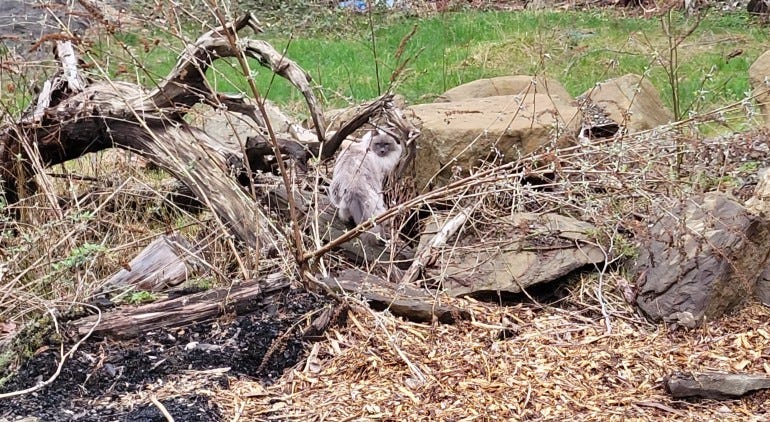
Photo by Kathy K — This is your writing prompt for May 2022 Are You Out There Writing Contest

Scientists estimate it takes 400 to 1,000 years for a plastic grocery store bag to vanish. Since they were introduced in the 1930’s it’s hard to determine for sure. Many are still here on earth in our landfills.

It takes 12 million barrels of oil to produce the plastic bags that the U.S. uses every year.

And they seriously pollute the environment.

Plastic bags are handed out in their billions, used for a few minutes then discarded.

More than 98% end up in a landfill. About 200 million litter the countryside.

Only 2% of plastic bags are recycled per year.

Plastic bags are light so they don’t stay in the landfills. They fly away and settle in trees, block storm drains, and clutter beaches. They leech toxins into the ocean and soil. And they destroy our wildlife.

The ink on the bags breaks down into tiny toxic particles that contaminate the soil and waterways and enter the food chain when animals accidentally ingest them.

Each year plastic bags kill a million sea birds and 100,000 animals such as whales, dolphins, turtles, and seals.

The animals confuse the floating bags for edible sea life such as jellyfish and plankton.

Plastic bags, once ingested, cannot be digested or passed from the stomach.

The plastic bag blocks the digestive tract, and the animal starves to death.

Other animals drown after becoming entangled in plastic bags.

Once the animal’s body has rotted, the bag is released back into the sea, to kill again.

Land animals are strangled when the bags get wrapped around their necks. They suffocate when a bag gets over their face and stuck on antlers or even on domesticated pet collars.

What can we do?

  • Support the Break Free From Plastic Pollution Act

This act would phase out throwaway plastics, hold the industry responsible for its waste, and pause the construction of new plastic-making plants.

  • Practice waste prevention first and choose to reuse whenever possible.

Completely eliminate the use of plastic grocery bags.

  • Always bring a reusable bag when shopping.
  • Watch for local legislation and mandates concerning the use of plastics.

Reference: Center For Biological Diversity. 10 Facts About Single-Use Plastic Bags: The Problem With Plastic Bags. www.biologicaldiversity.org

B.R. Shenoy recently posted this article about the environment:

If you enjoyed reading this story and you might like a Medium membership, please consider signing up through my membership link below. It’s only $5/month and helps support my writing efforts as well as all the writers here on Medium. You will be able to read all the stories you want as well as be a writer yourself. Plus, you will gain a great family of writers and readers who all support each other.

Copyright © 2022 Klara Jane Holloway. All rights reserved.

Environment
Wildlife
Nonfiction
Are You Out There
Animals
Recommended from ReadMedium