
How Nordic People Use Food to Show Love to Friends
Time and quality
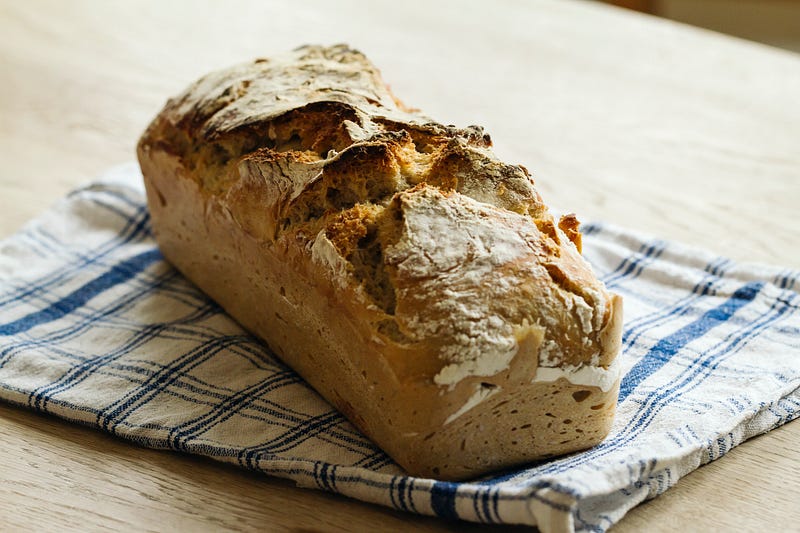
How do you show people that you love them and care for them?
In Nordic countries, it often means you dish up a cup of coffee along with a treat. Sometimes homemade, not always. Always delicious.
Back in the day, baking was important as a means to survive in this part of the world, and as a result, it became an important part of Nordic culture, especially when it comes to socializing with friends.
As Nordic Perspective writes in a recent article, “When Nordic people invite someone over to their home or place of work, it is expected throughout society (from construction workers to politicians) that there is some type of coffee, and preferably pastries, to be had together.”
It’s just how it is.
It’s how we show people that they’re welcome. That they’re appreciated.
The essence
Simply put, it’s how we show we love our friends.
Instead of meeting up at some cool, trendy spot in town, friends are often invited home. Nordic people love their homes and take great pride in decorating them and tending to make homes homey and stylish.
Also, coming into someone’s house where there’s this wonderful smell of cinnamon buns and coffee makes you feel like you’re appreciated. You’re wanted there, and your friend or whoever you’re visiting made an effort to create something for you to enjoy.
It’s not takeout or something random from DoorDash.
When at home, as opposed to a noisy bar, I find it easier to connect. Easier to have authentic conversations beyond the weather and latest food trends. Easier to be real, and Nordic people, myself included, can’t stand anything fake.
I’d rather have one true, real friend than 10 casual acquaintances. That said, and this is a side note; with three young kids there is a lot of small talk these days and it can be challenging to even finish a simple conversation about some local news without getting interrupted.
Back to the home, in kitchens across the Nordic region, you’ll often find standing kitchen mixers. Not just for decor. They’re actually being used, to honor traditions built on an appreciation for baked goods and socialization.
More often than not, the dough that’s kneading around in the mixer is a future loaf of bread or buns. Cardamon or cinnamon. I’ll admit I didn’t use my mixer too often back in Norway. When making bread, I often did it by hand because it was quicker and also less to clean up.
It’s delicious either way.
About that happiness
I wonder if part of the reason Nordic people are generally happier than many other people out there is because they value this aspect of authenticity and they have more time to pursue it.
Year after year the Nordic countries top all sorts of happiness polls. Work-life balance is often one of the things that keep showing up as a reason why they are so, so happy all the time. And I get that, because having real work-life balance truly is priceless. Trust in fellow peers is another aspect. Low crime rates. The welfare state model of government, a system ensuring everyone gets an education and other public benefits doesn’t hurt, either.
The list could go on.
From personal experience, having the time to spend with friends, not feeling rushed, is also something. This go hand in hand with work-life balance simply because if you worked all the time, there wouldn’t be any time (or energy) to socialize.
I had more time to be social back in Norway. Part of it is likely due to the fact that we had two kids in Norway, we now have three and are outnumbered.
But it’s also the work culture. And the culture around socializing. It’s not very common, at least in my experience, to be invited home or to invite someone home around here. Home is private, and you often meet up somewhere public instead.
Sense of belonging
Regardless, research shows that being with friends, whether it’s at a local bar or in a cinnamon-scented home, has many positive aspects. From boosting confidence and happiness to reducing stress and depression.
Finding friends, developing and maintaining quality friendships takes both time and effort. For me, the investment, sometimes including preparing a homemade bread or a sweet treat, is always well worth it. I recently baked an olive bread for my neighbor who just turned 40 (and also thinks I should start a bake shop). She invited me in for the bread, some cheese, and a glass of wine. I treasure moments like that.
In addition to the health benefits that come with good friendships, they can also, according to Mayo Clinic, increase your sense of belonging and purpose.
That has been true for me, and for many others out there.
Simplicity, quality and authenticity is something you see throughout the Nordic countries in aspects of life, both in the kitchen and in social gatherings. When paired, all the better.