
How NFTs Will Disrupt The Entertainment Industry
The decentralized economy gathers momentum.
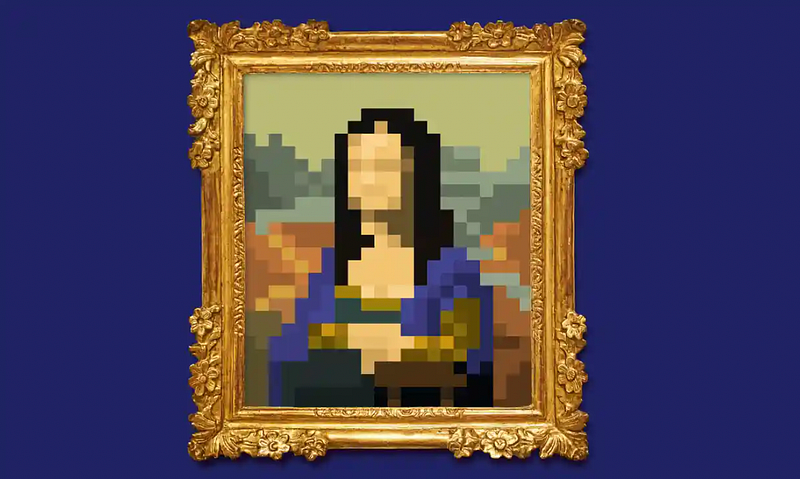
As an electronic music producer, I have been drawn to the idea of NFTs much more than Bitcoin and cryptocurrency. There is something liberating about the idea of creating digital art that is valuable, free of interruption from governments, and represents a way to become financially independent as a a musician.
NFT stands for non-fungible token — a one of a kind cryptographic asset that is stored on blockchain (a digital ledger). Unlike cryptocurrency, NFTs cannot be replicated.
They have unique identification codes and metadata that distinguish them from each other. Think of them as digital certificates of authenticity.
By “tokenizing” these real-world tangible assets, it allows them to be bought, sold, and traded more efficiently while reducing the probability of fraud.
So whereas in the real world you can have counterfeit artists creating fake Van Gogh paintings, this is not possible in the Web3 universe.
Think of NFTs as digital passports. Just like Bitcoin, NFTs contain ownership details for easy identification and transfer between token holders.
Owners can add metadata regarding the asset in NFTs. For example, artists can sign their digital artwork with their own signature in the metadata.
Here are a few other applications of NFTs to show how they can be a disruptive presence in the entertainment industry:
Music
Blockchain and accelerated development of technology that enables the network have given the opportunity for musicians to tokenize and publish their work as non-fungible tokens.
NFTs were used by artists and touring musicians to recuperate lost income due to the 2020 COVID-19 pandemic.
In February 2021, NFTs reportedly generated around $25 million within the music industry.
The reason for the gold rush is that whenever there is scarcity, people want it more. But it is the tokens that are rare, not the art itself. Humans will spend hours a day on sites like eBay looking for rare collectibles and now this idea has become intertwined with music.
Singer/songwriter Grimes auctioned off $5.8 million worth of digital art pieces within 20 minutes.
Electronic dance musician 3LAU sold a collection of 33 NFTs for a total of $11.7 million to commemorate the three-year anniversary of his Ultraviolet album.
Ozuna sold out a batch of NFTs for $800,000.
Rock band Kings of Leon were the first to announce the release of a new album — When You See Yourself — in the form of an NFT which generated a reported $2 million in sales.
With peer to peer NFT marketplaces like OpenSea, the growth of the NFT space and value of digital assets has grown fast.
Film

Indie film-makers are getting excited at the prospect of NFTs being a big part of their industry. Director Kevin Smith added, “Whoever buys NFTs could choose to monetize it traditionally, or simply own a film that nobody ever sees but them.”
Here are some examples of how NFTs have been used in the film industry:
Jennifer Esposito is planning to fund her directorial debut movie Fresh Kills using a combination of NFTs and a first-of-its-kind public offering to sell shares in the film.
20th Century Fox partnered with Atom Tickets and released limited-edition Deadpool 2 digital posters to promote the film.
Gremlins director Joe Dante released digital assets of “Trailers From Hell” on NFT. They were available on OpenSea and other GFT exchanges.
Adam Benzine’s documentary Claude Lanzmann: Spectres of the Shoah became the first motion picture and documentary film to be auctioned as an NFT.
The film Zero Contact was also released as an NFT.
An exclusive NFT artwork collection will be released for Godzilla vs. Kong
Director Kevin Smith announced that his forthcoming horror movie Killroy Was Here would be released as an NFT.
An NFT associated with the score of the movie Triumph, composed by Gregg Leonard, was minted as the first NFT for a feature film score.
Film director Quentin Tarantino released seven NFT’s based on uncut scenes of Pulp Fiction.
What is intriguing is that not only are film-makers raising capital for their movies this way but also simultaneously building a fanbase which will ultimately consume the film.
Video Games
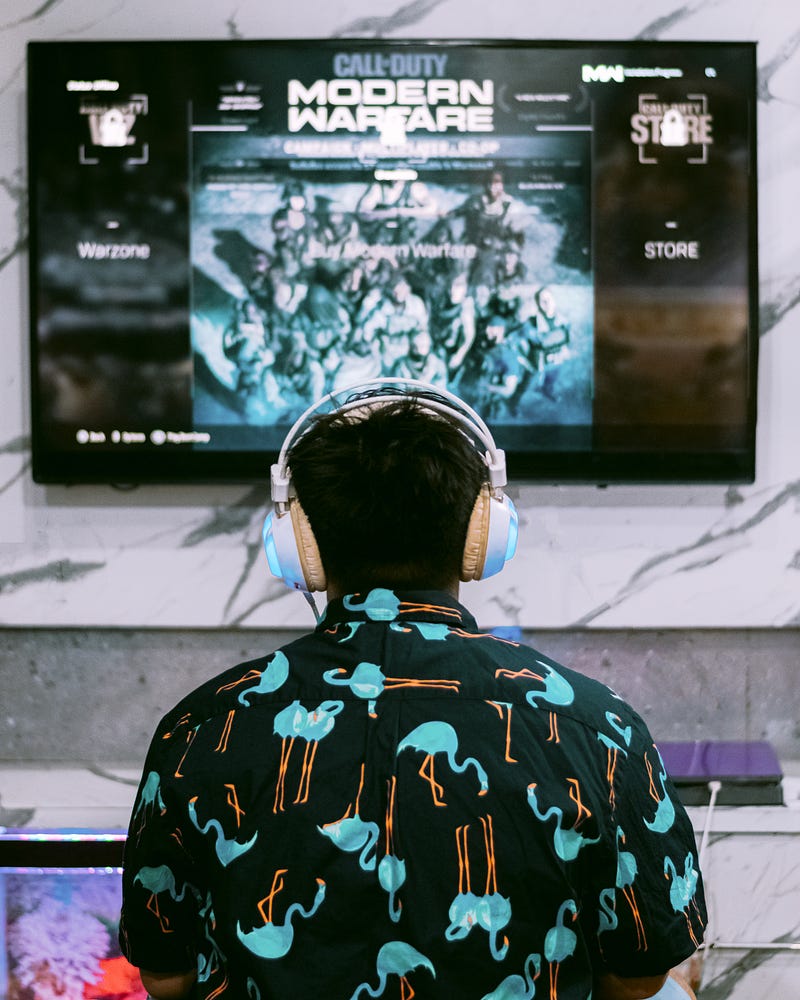
NFT-based games are generally free to download. But to start playing, you have to buy NFTs. These can be in the form of weapons, ammo or clothing.
Axie Infinity is a game is similar to Pokémon, where players collect, raise, breed, battle, and trade digital creatures. Players can make around $400 a month and since it’s an online game, it doesn’t require special skills to play, making it a viable way of earning a living for many.
In previous iterations of video games or gamifying brands, users would get virtual badges, rewards or certificates. Now, gamers can earn cryptocurrency as they play. You can use this to reinvest in your game or cash out into your local currency. With some games, the developers allow their players to buy and trade NFTs.
Electronic Arts (EA) has stated that “collectible NFTs are an important part of the future of our industry.” Conversely, major PC gaming platform Steam has banned blockchain and NFT-based games from its platform. Its rivals Ubisoft and Epic have not.
Navination is another NFT video game that pays users to play. Its Season 1 NAVI Cup sold for $100,000 of cryptocurrency.
Hyperion is a digital card that can be used in the online trading card game God’s Unchained. The card that was sold was the only card of its kind created by the game’s developers. The card sold for 137 Ethereum, ($60,000).
Digital Art
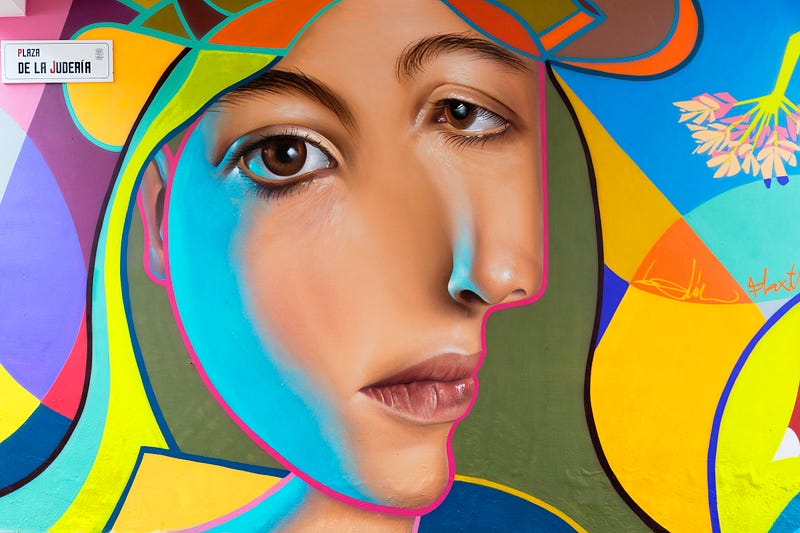
Some NFT collections are examples of generative art — where many different images can be created by assembling a selection of simple picture components in different combinations.
In early March, a group of NFTs by digital artist Beeple was sold for over $69 million. The sale set a record for the most expensive pieces of digital art sold. The artwork was a collage comprised of Beeple’s first 5,000 days of work.
Curio Cards, a digital set of 30 unique cards considered the first NFT art collectibles on the Ethereum blockchain, sold for $1.2 million at Christie’s Post-War to Present auction.
Blacksneakers was a struggling digital artist. After discovering NFTs and selling his artwork as them, he has made $60,000 in 6 months.
In November 2021, collectors and speculators have spent more than $200 million on an array of NFT-based artwork, memes and GIFs according to nonfungible.com . GameStop created a stir when they created meme stocks and an internet feeding frenzy which drove up their stock price by 90 times.
Want to learn more about me? Read my book HERE. Follow me HERE.


