
How NFTs are Revolutionizing Art, Collectibles, and Our Online Existence
In the past few years, a new term has burst into the world of digital finance, and it’s not another cryptocurrency. It’s called Non-Fungible Tokens, better known as NFTs.
They have taken the blockchain industry by storm, becoming especially popular in areas like art, collectibles, gaming, and more.
But what are NFTs, and why are they causing such a stir?
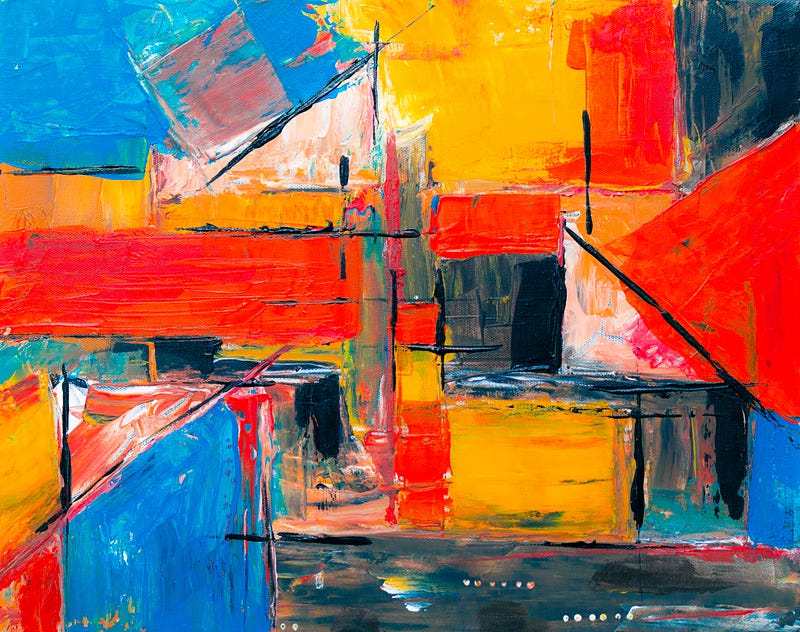
NFTs: The Future of Digital Ownership
Imagine you are a collector of rare artifacts, and you finally get your hands on a unique piece, let’s say, the first ever comic book featuring Spider-Man. The joy of owning this one-of-a-kind item is unparalleled.
Now, imagine if you could replicate this experience in the digital world.
That’s exactly what NFTs offer — ownership of a unique digital asset, whether it’s digital art, a virtual piece of land in a game, a digital collectible, or even a tweet.
A Non-Fungible Token (NFT) is a type of cryptographic token on a blockchain that represents a unique item or piece of content.
Unlike cryptocurrencies such as Bitcoin or Ethereum, which are fungible and can be exchanged on a one-for-one basis, NFTs are unique (or non-fungible).
Think of it like a digital snowflake — each one is unique and cannot be exchanged on a like-for-like basis.
NFTs and Digital Art
The implications of NFTs are massive, especially in the world of digital art.
Prior to NFTs, digital artists had a hard time proving ownership of their work. With the ease of replication on the internet, an artist’s work could be copied and redistributed without their consent, making it difficult for them to monetize their talent.
Now, with NFTs, digital art can be “tokenized” to create a digital certificate of ownership that can be bought and sold.
As each NFT can only have one official owner at a time, artists can also program in royalties so they’ll receive a percentage of sales whenever their art is sold to a new owner.
This new layer of security provided by NFTs is a game-changer for artists around the globe.
NFTs Beyond Art
While art is one of the more known uses of NFTs, their application goes beyond that.
They’re being used for digital collectibles, like virtual pets or in-game items in video games.
In the realm of music, artists are releasing albums as NFTs, where ownership grants special perks like early access to concerts.
NFTs have even reached the world of sports, with blockchain-based trading cards and ownership of highlight clips.
Navigating the NFT Market
While the possibilities with NFTs seem endless, like any new market, it’s not without risks.
The value of NFTs is largely based on perceived value, which can fluctuate rapidly.
Additionally, as it’s a relatively new field, there are still many legal and regulatory uncertainties.
Prospective buyers and sellers should do their due diligence and seek advice when necessary.
Authenticity: The Paradox of NFTs
As we delve deeper into the world of NFTs, we encounter an interesting paradox.
While NFTs provide proof of ownership and authenticity for a digital asset, the reality is that the digital world thrives on replication, sharing, and open access.
Let’s circle back to the realm of digital art. An artist creates a digital painting and tokenizes it as an NFT on the blockchain. This token now serves as a certificate of authenticity and ownership. However, this doesn’t prevent anyone from taking a screenshot of the artwork or downloading a digital copy.
The art, in its visual form, can still be copied, shared, and displayed by anyone who comes across it.
In this scenario, what the owner truly possesses is not necessarily the image itself, but the official proof of ownership, the token associated with the original artwork.
Only those who understand how blockchain technology works and who know how to verify the token’s authenticity can truly acknowledge the owner of the digital artwork.
This characteristic of NFTs creates a fundamental dichotomy.
On one hand, digital content, such as images, music, or video, can be infinitely reproduced and shared, making them universally accessible.
On the other hand, the NFTs representing these pieces of digital content are uniquely owned and cannot be replicated.
It is akin to owning an original Picasso painting. Anybody can buy a print or replica of a Picasso, or even view it for free in a museum or online. However, only the person owning the original work will hold the certificate of authenticity, and that’s where the real value lies.
While this paradigm may seem strange at first, it’s part of the NFT charm.
It makes us question our traditional understanding of ownership, value, and authenticity in the digital age.
It reinforces that in a world where anything can be copied, the value lies in the unique, the original, and the irreplaceable.
Conclusion
In essence, NFTs represent a new frontier in the digital world, providing a way for digital creators to monetize their work and for collectors to own a piece of the digital universe.
While the market is still young and volatile, the potential is massive.
From artists being able to profit fairly from their creations, to new ways for fans to interact with their favorite musicians or sports teams, the possibilities with NFTs are as vast as the digital landscape itself.
Like the invention of the internet itself, the concept of NFTs is a paradigm shift that could drastically alter many aspects of our lives. As we navigate this exciting yet volatile new landscape, one thing is certain — NFTs have the potential to reshape our understanding of ownership and value in the digital age.
- OpenSea: A marketplace for NFTs
- Minting Your First NFT
- CryptoKitties: The pioneer of NFT gaming
- What Are NFTs, And What is Their Environmental Impact?
- What are the legal issues around NFTs?
Enjoyed the read? For more on Web Development, JavaScript, Next.js, Cybersecurity, and Blockchain, check out my other articles here:
If you have questions or feedback, don’t hesitate to reach out at [email protected] or in the comments section.
[Disclosure: Every article I pen is a fusion of my ideas and the supportive capabilities of artificial intelligence. While AI assists in refining and elaborating, the core thoughts and concepts stem from my perspective and knowledge. To know more about my creative process, read this article.]


