avatarAkemi Sagawa

Summary

The web content discusses the influence of nature on Japanese Waka poetry, as exemplified by the preface of the 9th-century imperial anthology "Kokin Wakashu," and emphasizes the power of poetry to express human emotions and connect with the natural world.

Abstract

The article delves into the profound connection between nature and the art of Waka poetry in ancient Japan. It highlights the significance of the "Kokin Wakashu," the first imperially-commissioned anthology of Waka poetry, which underscores the role of poetry in reflecting the human heart and the myriad experiences of life. The preface of this anthology, which is included in Japanese textbooks, illustrates how poetry is inspired by the natural environment, suggesting that just as nature effortlessly produces sounds and sights, so too does poetry emerge from human experiences. The article, referencing a translation by Helen Craig McCullough, reflects on the preface's description of poetry as a force that can move heaven and earth, affect spirits and gods, and harmonize human relationships. The author also acknowledges the influence of nature on their own understanding of literature and creativity, echoing the sentiments of other writers who view nature as a teacher.

Opinions

  • The author recognizes the importance of Waka poetry in ancient Japanese politics and society, indicating that proficiency in poetry was crucial for political success among the aristocracy.
  • There is an expressed personal transformation from disliking the memorization of the anthology's preface to a profound appreciation of its content upon revisiting it as an adult.
  • The article suggests that the natural world, with its inherent beauty and sounds, serves as an inspiration for poetry and creativity, teaching us that all living creatures have the capacity to express themselves artistically.
  • The author endorses the view that poetry has the power to influence the emotions and actions of both humans and supernatural entities, as well as to soothe the spirits of even the fiercest warriors.
  • The piece acknowledges the insights of other writers, such as Hermione Wilds Writes and Akemi Sagawa, who also see nature as a source of inspiration and a means to enhance human creativity.

Nature Prompt | Reciprocal

How Nature Inspired Japanese Waka Poetry

The preface of the first imperially-commissioned anthology of Waka poetry in the 9th century explains
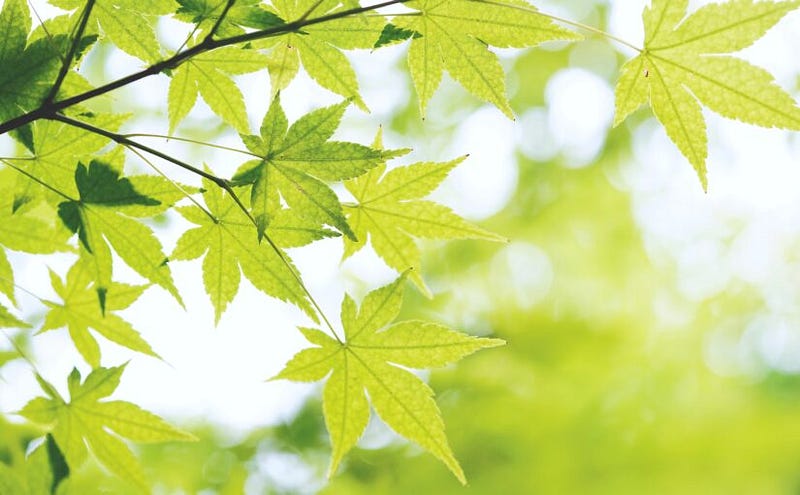
Photo by may yue on Unsplash

In ancient Japan, the ability to create wonderful poetry was indispensable for emperors and aristocrats to be politically successful.

What does poetry have to with politics, you may wonder. So do I! By learning ancient literature, this mystery might be solved.

Compiled in the 9th century, Kokin Wakashu 古今和歌集 was the first of 21 imperially-commissioned anthologies of Waka poetry. The fact that the imperial court officially commissioned it tells you how highly the ruling class in those days thought of Waka poetry.

The preface of this epoch-making anthology shows up in the 9th-grade textbook in Japan. I remember I hated memorizing it. Now I’m reading anew, and quite impressed.

Here I will share with you how the preface explains the relationship between nature and Waka poetry.

The English translation is by Helen Craig McCullough.

やまと歌は、人の心を種として、万の言の葉とぞなれりける。

Japanese poetry has the human heart as seed and myriads of words as leaves.

世の中にある人、ことわざ繁きものなれば、心に思ふことを、見るもの聞くものにつけて、言ひ出せるなり。

It comes into being when men use the seen and the heard to give voice to feelings aroused by the innumerable events in their lives.

花に鳴く鶯、水に住む蛙の声を聞けば、生きとし生けるもの、いづれか歌を読まざりける。

The song of the warbler among the blossoms, the voice of the frog dwelling in the water — these teach us that every living creature sings.

力をも入れずして天地を動かし、目に見えぬ鬼神をもあはれと思はせ、男女の中をも和らげ、猛き武士の心をも慰むるは歌なり。

It is song that moves heaven and earth without effort, stirs emotions in the invisible spirits and gods, brings harmony to the relations between men and women, and calms the hearts of fierce warriors.

Thank you for reading!

Source: Kokin Wakashu — The First Imperial Anthology of Japanese Poetry: with ‘Tosa Nikki’ and ‘Shinsen Waka’ Translated and annotated by Helen Craig McCullough

Thank you, Sahil Patel, for the fun writing prompt.

I agree with Hermione Wilds Writes. Nature is a teacher.

Originally published at https://akemisagawa.com on March 7, 2023.

Nature
Reciprocal
Creativity
Japanese Culture
Poetry
Recommended from ReadMedium