avatarMark Ellis

Free AI web copilot to create summaries, insights and extended knowledge, download it at here

3334

Abstract

t over 412,000 watch hours.</p><p id="d100">This resulted in a total revenue figure of £14,258.52 for the year.</p><p id="52e9">In the UK, that’s barely a liveable wage, but it’s impressive for a YouTube channel’s first year and a key component of the overall revenue machine that’s built into the Mark Ellis Reviews brand.</p><p id="c1ac">However, it gets really interesting when you look at the daily revenue generated by the channel. During the first quarter of the year, this hovered between roughly £13 per day to a peak of just over £36.</p><p id="869e">That performance remained fairly consistent until May when things started to pick up; the channel began to produce over £30 in daily revenue through May and June, with certain days hitting the £60 — £70 mark.</p><p id="fbe6">This continued for the duration of the summer until ‘Techtober’ arrived and it all went a bit nuts.</p><div id="b801" class="link-block"> <a href="https://readmedium.com/how-to-remain-consistent-as-a-youtuber-79b202d6e49"> <div> <div> <h2>How to Remain Consistent as a YouTuber</h2> <div><h3>The most important goal of all</h3></div> <div><p>medium.com</p></div> </div> <div> <div style="background-image: url(https://miro.readmedium.com/v2/resize:fit:320/1*pKEh5SBnt0wwnppKMVf5MA.jpeg)"></div> </div> </div> </a> </div><p id="e9cc">Thanks to several huge Apple product launches and a firm focus on producing two tightly-focused videos each week, my daily revenue climbed to an average of somewhere between £50-£60. There were some significant peaks, too, which took me well into £100 per day territory and often beyond (the top-performing day of the year was Friday 26th November at £119.35).</p><p id="b6dc">However, one look at the total graph for the year, and you’ll see just how unpredictable daily revenue can be from the YouTube Partner Programme. It is incredibly hard to predict and near impossible to tame:</p><figure id="bc9f"><img src="https://cdn-images-1.readmedium.com/v2/resize:fit:800/0*gTu5n6aaU8uySC4n.png"><figcaption>Image courtesy of author</figcaption></figure><h2 id="cad2">RPM and CPM</h2><p id="5b8c">YouTube calculates Partner Programme earnings via two key metrics — RPM and CPM.</p><p id="ec24">Here’s a quick definition of both:</p><ul><li><b>RPM</b> stands for ‘Revenue Per Mille’, and represents how much you earn for every 1,000 views of a video. On YouTube, this number includes earnings from ads, YouTube Premium, memberships, Super Chat, and Super Stickers.</li><li><b>CPM</b> stands for ‘Cost Per Mille’. YouTube refers to this as ‘Playback-based CPM’, and it reveals how much advertisers paid per thousand monetised video playbacks.</li></ul><p id="9db2">It’s important to bear in mind that RPM includes video views that weren’t monetised (in my case, this is largely <a href="https://markellisreviews.ck.page/newsletter">my weekly newsletter</a>). It’s also indicative of your ‘take home pay’ after YouTube has grabbed its share, whereas the CPM reveals the total amount paid by advertisers per 1,000 views, <i>before</i> YouTube dishes out the creator’s share.</p><div id="1644" class="link-block"> <a href="https://readmedium

Options

.com/3-reasons-why-every-youtuber-needs-a-newsletter-f9cfc35600f"> <div> <div> <h2>3 Reasons Why Every YouTuber Needs a Newsletter</h2> <div><h3>And why it’s easier to build than you think</h3></div> <div><p>medium.com</p></div> </div> <div> <div style="background-image: url(https://miro.readmedium.com/v2/resize:fit:320/1*Ct2fdm2OEigF75cQZvajwA.png)"></div> </div> </div> </a> </div><p id="0e2f">This is why most channels have a higher CPM than RPM. It’s a great way to see what you’re missing out on if, for whatever reason, you have un-monetised videos on your channel.</p><p id="7af3">My average RPM for the year stood at £3.16, whereas my CPM was £7.82. The latter is quite high, but the performance of each channel when it comes to its CPM depends on the niche in which you sit and your location. For instance, the UK is known to have <a href="https://blog.travelpayouts.com/en/youtube-cpm-rates/">one of the highest CPM rates</a>, and tech is a niche that attracts high-paying advertisers.</p><h2 id="a7b7">Final thoughts</h2><p id="cc7d">I’m really happy with my first full year on YouTube when it comes to the revenue generated. As noted earlier, relying on AdSense alone isn’t going to make me a millionaire, but the growth thus far is very encouraging.</p><p id="9939">More importantly, these figures should serve as a stark reminder that, if you want to run a YouTube brand full-time, you need to get serious about developing multiple streams of revenue.</p><p id="6694">YouTube’s Partner Programme is a form of passive income; your videos will continue to earn long after their publish date. But it needs supporting with sponsorships, affiliate commissions, and anything else you can monetise within your brand.</p><div id="5be7" class="link-block"> <a href="https://readmedium.com/how-to-find-sponsors-on-youtube-3fbce4ab3288"> <div> <div> <h2>How to Find Sponsors on YouTube</h2> <div><h3>It’s easier than you think</h3></div> <div><p>medium.com</p></div> </div> <div> <div style="background-image: url(https://miro.readmedium.com/v2/resize:fit:320/1*UFiSLTBJr9h7LxNl2kNhgA.jpeg)"></div> </div> </div> </a> </div><p id="0762">I’ll report back next year!</p><h2 id="3fe5">Learn How to Edit Videos Like Me!</h2><p id="a38a">My latest Skillshare class, Video editing basics in Final Cut Pro X (for YouTube success!) is live and free to try:</p><p id="ff22"><a href="https://skl.sh/3qz4voR"><b>Learn how to edit a successful YouTube video</b></a></p><p id="22f3"><i>If you enjoy my writing, it’s only a snippet of what’s on Medium. I’m a paying member myself and highly recommend joining. <a href="https://markellisreviews.medium.com/membership"><b>Click here to do so</b></a> (a portion of your membership fee will be sent my way and therefore directly support my work!).</i></p><p id="c0f7"><i>Originally published at <a href="https://markellisreviews.com/how-much-i-earned-during-my-first-year-on-youtube/">https://markellisreviews.com</a> on February 16, 2022.</i></p></article></body>

How Much I Earned During My First Year on YouTube

It might surprise you!
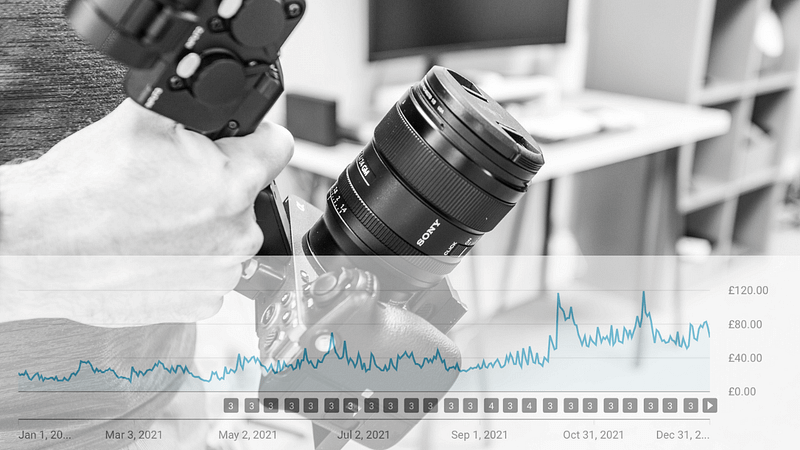
Image courtesy of author

A few weeks back, I revealed my 2021 YouTube earnings and full stats. If you don’t want to miss that kind of behind-the-scenes action in the future, make sure you join my free mailing list.

Today, I’m going to share one element from those stats, which is how much I earned as a YouTuber in 2021.

This was technically my first full year on the platform, and it was also a year when my channel grew 5X — an achievement of which I’m immensely proud.

If you’re considering starting your own channel or if you’re simply curious to see what kind of money can be generated by sitting in front of a camera and rambling on about tech, I think you’ll find this very interesting.

It’s not all about AdSense

Google offers creators the chance to grab a share of the platform’s advertising revenue. Known as the Partner Programme, this is something you can turn on once you’ve gained 1,000 subscribers and attracted 4,000 hours of total watch time.

On Sunday 6th December 2020, I surpassed those magic numbers and applied for the Partner Programme, a little under six months since publishing my first video.

The figures I’m about to reveal from 2021 relate purely to the Partner Program, which is linked to Google’s AdSense platform. That means it is the revenue I make as a result of YouTube sharing a portion of their advertising income with me.

As you might guess, there’s a lot more to this business. But that’s for another day.

Total revenue and daily performance

In 2021, my channel gained nearly 47,000 subscribers, attracted 4.5 million views, and amassed just over 412,000 watch hours.

This resulted in a total revenue figure of £14,258.52 for the year.

In the UK, that’s barely a liveable wage, but it’s impressive for a YouTube channel’s first year and a key component of the overall revenue machine that’s built into the Mark Ellis Reviews brand.

However, it gets really interesting when you look at the daily revenue generated by the channel. During the first quarter of the year, this hovered between roughly £13 per day to a peak of just over £36.

That performance remained fairly consistent until May when things started to pick up; the channel began to produce over £30 in daily revenue through May and June, with certain days hitting the £60 — £70 mark.

This continued for the duration of the summer until ‘Techtober’ arrived and it all went a bit nuts.

Thanks to several huge Apple product launches and a firm focus on producing two tightly-focused videos each week, my daily revenue climbed to an average of somewhere between £50-£60. There were some significant peaks, too, which took me well into £100 per day territory and often beyond (the top-performing day of the year was Friday 26th November at £119.35).

However, one look at the total graph for the year, and you’ll see just how unpredictable daily revenue can be from the YouTube Partner Programme. It is incredibly hard to predict and near impossible to tame:

Image courtesy of author

RPM and CPM

YouTube calculates Partner Programme earnings via two key metrics — RPM and CPM.

Here’s a quick definition of both:

  • RPM stands for ‘Revenue Per Mille’, and represents how much you earn for every 1,000 views of a video. On YouTube, this number includes earnings from ads, YouTube Premium, memberships, Super Chat, and Super Stickers.
  • CPM stands for ‘Cost Per Mille’. YouTube refers to this as ‘Playback-based CPM’, and it reveals how much advertisers paid per thousand monetised video playbacks.

It’s important to bear in mind that RPM includes video views that weren’t monetised (in my case, this is largely my weekly newsletter). It’s also indicative of your ‘take home pay’ after YouTube has grabbed its share, whereas the CPM reveals the total amount paid by advertisers per 1,000 views, before YouTube dishes out the creator’s share.

This is why most channels have a higher CPM than RPM. It’s a great way to see what you’re missing out on if, for whatever reason, you have un-monetised videos on your channel.

My average RPM for the year stood at £3.16, whereas my CPM was £7.82. The latter is quite high, but the performance of each channel when it comes to its CPM depends on the niche in which you sit and your location. For instance, the UK is known to have one of the highest CPM rates, and tech is a niche that attracts high-paying advertisers.

Final thoughts

I’m really happy with my first full year on YouTube when it comes to the revenue generated. As noted earlier, relying on AdSense alone isn’t going to make me a millionaire, but the growth thus far is very encouraging.

More importantly, these figures should serve as a stark reminder that, if you want to run a YouTube brand full-time, you need to get serious about developing multiple streams of revenue.

YouTube’s Partner Programme is a form of passive income; your videos will continue to earn long after their publish date. But it needs supporting with sponsorships, affiliate commissions, and anything else you can monetise within your brand.

I’ll report back next year!

Learn How to Edit Videos Like Me!

My latest Skillshare class, Video editing basics in Final Cut Pro X (for YouTube success!) is live and free to try:

Learn how to edit a successful YouTube video

If you enjoy my writing, it’s only a snippet of what’s on Medium. I’m a paying member myself and highly recommend joining. Click here to do so (a portion of your membership fee will be sent my way and therefore directly support my work!).

Originally published at https://markellisreviews.com on February 16, 2022.

YouTuber
Entrepreneurship
Make Money Online
Content Creation
YouTube
Recommended from ReadMedium