
How Much Blood Do You Need In A Crime Novel?
That depends on the type of violence
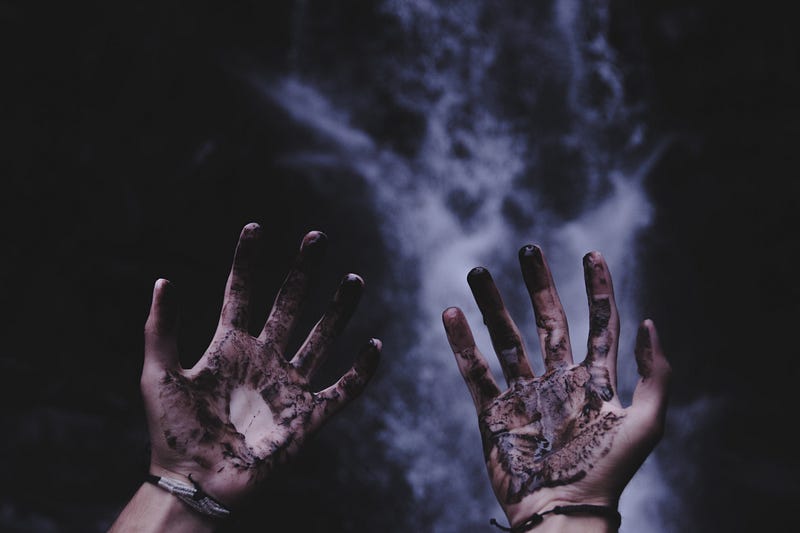
Are you a crime writer? Have you asked yourself how much blood is too much or not enough?
So much depends on what type of crime you are writing about. If it is white-collar, then, probably not as much as you would in a gang fight.
Not all crime novels need gory scenes, but if you have weapons, someone is going to get hurt.
How do we answer this question: How much blood do you need?
Crime fiction is huge and is often characterized by two characters who are on opposite sides, (often, but not always) of the law.
There can be multiple types of scenarios, the levels of violence will also vary. Consider the fact that Murder She Wrote and True Detective are both considered crimes.
This is where we start working with sub-genres. The level of description will vary from sub-genre to sub-genre. There are multiple ways to describe violence.
Reported Violence
Here, your characters talk about the event and maybe give the reader some graphic scenes, but not so much that we see exactly what happened.
Witnessed Violence
This could be where the characters and readers show up after the fact. It is up to you to show how much violence took place and what we see.
Implied Violence
In this case, we rarely see a body. We may see the edge of a puddle of blood or a limp hand, a body bag, or a flutter of crime scene tape. We know what happened.
Graphic Violence
Here is where we let it all hang out. We see everything and observe the violent act. In these scenes, readers are usually present when a violent act is being committed. They may be the perpetrator or have the viewpoint of the witness or even the victim.
Writing Violent Scenes:
1. Is the violent scene important to the plot?
2. Are the logistics correct. This is a technical issue and you should do some research so you get the scene right.
3. You need to do your research here. If you are hurting a person or an animal, what happens? Are they so injured they die? Why?
4. Make sure you have the use the weapons in your book. You can be sure someone reading your book knows about guns you have in the scene.
5. It is up to you to decide how violent the scene is. If you are squeamish, maybe you want to switch genes.
You are in charge of your story and how violent it gets. Does the violence dictate your plot? How much violence is necessary to move your story forward? These are the questions you need to address.


