
How Microsoft’s Zenimax Exclusivity Conundrum Could Play Out
Microsoft needs to play it safe if they want to avoid turning Game Pass into Netflix
Now the ink has dried on the Zenimax acquisition, Microsoft is a little less coy about what upcoming titles will be exclusive.
The latest we have seen on the topic is that some titles will be exclusive, and that exclusivity is very much “the next logical step” in Microsoft’s game plan.
So, let us break out the crystal ball and begin method acting as a high-ranking Microsoft exec and explore how this will probably play out over the coming years and what this means for Starfield and Elder Scrolls.
What’s in it for Microsoft?
Let us start by understanding what Microsoft’s goals are here. Ultimately, they want more people on their Game Pass subscription service.
Not only do these services make companies a lot more money than traditional product-based revenue models, but Microsoft has failed to lead in the current video game operating model. So they are trying to forcibly change that model to suit them, hopefully forcing Sony and Nintendo to chase them for a change.
Secondly, they want to reduce the volatility of customers subscribing and unsubscribing from their service. When most of your customers can be there one month and not the next, it makes financial forecasting difficult. It’s like being paid on commission, you cannot predict what you will get paid next month, so it is difficult to say what financial situation you will be six months down the line.
The goal is to flatten the average unsub rate, and it means nothing to have doubled your subscriber base if the average unsub rate is a month. An average of a month means you need to release something new and unique every two months at the least. Push your average unsub rate to three months, and you give yourself more breathing room and can rely on the more minor hitters like older games to keep people interested.
Thirdly, they want people to start using their xCloud game streaming service. Even if someone does not own a PC or Xbox console, this cloud infrastructure will allow gamers to play games on their phones. Suddenly Microsoft has another avenue to sell their products to Sony and Nintendo faithful consumers.
However, those three facts do not necessarily mean Microsoft will pursue an aggressive strategy of console exclusives, locking all future titles behind the big green wall. An aggressive strategy would almost certainly increase volatility. Keeping people from unsubscribing is equal parts continuous release of new value and fostering a good relationship with the user base.

Microsoft’s current approach
We can see that Microsoft is investing in the first part of that equation with the continued acquisition of new value streams such as this acquisition of Zenimax, older backward compatible titles, and EA Play.
We can also see that Microsoft is investing in the relationship side as well, their image in the past year or so has very much grown in a positive direction, and they are very much seen in a “good guy” lens.
But the thing about investing in your image is you do not get as much out of it that you put in. You can spend years building up a healthy bank account of political capital only to lose it all at once. Just look at CDPR’s Cyberpunk 2077 or Bioware’s Anthem (though some of that was spent on Andromeda).
Microsoft is not investing in its image with the goal of banking up enough goodwill to weather the fallout from an exclusivity agreement, which is not a good use of resources.
Microsoft is planning to spend their goodwill on three main things.
Leveraging goodwill
The first is to reduce subscriber turnover. Remember, only angry people are motivated enough to leave bad reviews. If the user base is happy, they will be less motivated to unsubscribe, and they will look more favorably on the value proposition in months where maybe it is not that good for them. An unhappy user base is more motivated to unsubscribe any month there is not a game for them. This rapid min-maxing of subscription services is something we see a lot in the TV space, so much so there are even apps to help you keep on top of it all.
The second thing Microsoft is saving its goodwill for is the inevitable price hike. All subscription services must raise their prices at some point, and Game Pass is on borrowed time. We know for a fact that the revenue model of Game Pass is still experimental, with Phil Spencer explaining that each developer crafts their own deal while they figure things out. We also know Microsoft tried to raise the price, which did not go down well, and a lot of political capital was burned that day.
The third is a safety net. At the moment they have no real competition in the game service subscription space, if that ever does change and they need to start getting competitive to stay ahead that's when they can be a bit more bullish which will inevitably burn some good-will. They have no reason to be so aggressive when they lead the pack.
“Soft” exclusivity?
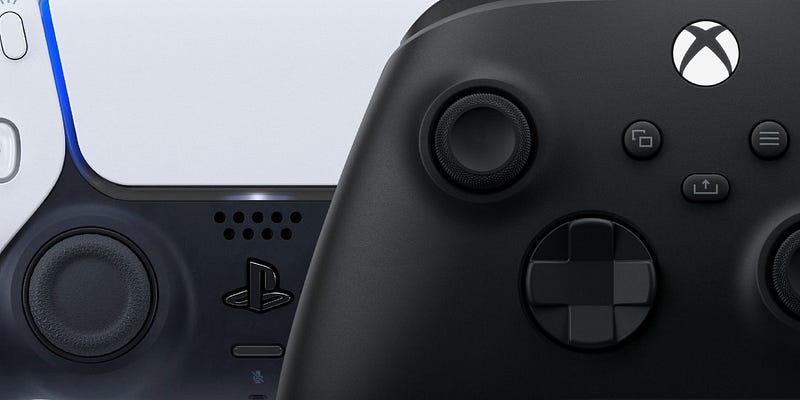
With this in mind, I expect Microsoft to pursue two of the “softer” exclusivity tactics. The timed exclusive and the price exclusive.
For middling titles, games that have broad appeal across platforms like Doom, Xbox will make use of timed exclusivity. The exclusivity window would be shorter than previous titles, maybe three to six months. But enough to maybe tempt some people over or plant the seed in their mind for the next time, but not long enough to aggressively punish those who either will not or cannot engage. I don’t believe the previous 12-month exclusivity with Tomb Raider worked for Microsoft or Square Enix, so I think that length of exclusivity is off the table for future titles.
For big tentpole games, i.e., Elder Scrolls, the potential to harm is high, so I think Microsoft will play it safe. Possibly full price on PlayStation and available on Game Pass day one, leaving those on the fence with the math equation of paying $15 to get it and all these other games on Xbox or pay for one title on PlayStation $70. Remember, Microsoft will still make money off the copies sold on PlayStation.
That math equation is the through-line Microsoft wants you to remember because we sit in a community where people still equate hours in a game to the cost of the game. Game Pass is not PS Plus, where you get one or two games you may or may not like, nor is it Netflix which is an endless pit of average time-wasters with some odd gems. Game Pass offers you the potential to fall in love with multiple 40 hour plus titles for the price of a few coffees a month. This leans into that bad belief that the only way to value a game is on its price to hour ratio.
There is a belief that Starfield, Bethesda’s next and new IP, will set the tone of how Microsoft might play this out, and I am hesitant to believe that. If anything, there is more evidence to believe that Microsoft might experiment with this title or do nothing with it at all.
For one, we do not know how much PlayStation development has gone into the game, especially given it would have been slated for PS5, and so they would have spent time developing it for both PlayStations. For all, we know some of the PS5 unique features like the Dual Sense and the Cards may have been developed for. There’s also the fact that it’s a new IP, with no way to determine how popular it will be upon release.
Fallout, Elder Scrolls, Doom, and Dishonored are all known quantities, meaning Microsoft has the data to gauge how a new game will do. Making a new IP exclusive means selling it on the marketing, and given Bethesda’s recent track record, it is not something to cash in on just yet. The safer option is to have the game be available on both consoles, maybe with some timed exclusivity or Game Pass, and build up the fanbase, allowing for exclusivity to be considered for the sequel, should it be successful enough.
Walking a tightrope
Remember, the goal here is not for Microsoft to beat Sony or Nintendo at their own game, and they simply cannot.
They are changing the game instead, and that requires a different strategy; they will not win by deploying the “build it, lock it off, and they will come” approach to gaming that has worked for Sony and Nintendo. They also cannot strong-arm the customer base into doing it their way; otherwise, they risk harming the goodwill towards their current and future services. Zenimax’s acquisition cost a pretty penny and Microsoft will want to see a return on investment, but it can’t be rushed; otherwise, they will lose more money in the long haul.
