avatarMalky McEwan

Free AI web copilot to create summaries, insights and extended knowledge, download it at here

1060

Abstract

</p><p id="4b44">#3752 Duck whistle…</p><h1 id="d847">You see</h1><p id="8b93">Not only can a Brussel sprout cause a choking hazard, but a million of the little devils also dropped from a very high height might crush the life out of you.</p><p id="69fd">And there is one more thing, Brussel sprouts contain cyanide.</p><p id="b1cd">Ever wondered what that bitter taste is that you get from them? It’s the thiocyanate in them, which is thought to be related to their bitter taste. They taste bitter — but only to around 70% of people. To the other 30%, it’s completely tasteless.</p><p id="e215">Studies confirmed the ability to taste bitterness is a genetic trait and one that is heritable.</p><p id="c4bc"><a href="https://wellseek.co/2017/03/19/5-reasons-eat-brussel-sprouts/">Yet, these dangerous little devils are among the healthiest you can eat.</a> Although human studies to date have been mixed, Brussel sprouts and other cruciferous veggies are being studied for their <a href="https://www.cancer.gov/about-cancer/causes-prevention/risk/diet/crucifero # Options us-vegetables-fact-sheet">cancer-fighting potential,</a> especially in breast, lung, prostate, and colorectal.</p><p id="4beb">Did you know 1 cup of cooked Brussel sprouts provides over 200% of your daily value for <a href="https://www.ncbi.nlm.nih.gov/pubmed/11684396">bone-boosting vitamin K?</a></p><p id="525c"><a href="https://www.ncbi.nlm.nih.gov/pmc/articles/PMC4477992/">Research</a> has shown that sulforaphane, a compound found in Brussel sprouts, may help prevent the overgrowth of H. Pylori, bacteria responsible for causing stomach ulcers.</p><p id="e58c">If you still don’t like Brussel sprouts, then you are eating them the wrong way.</p><p id="ea1b">Roasted with garlic — yum, yum in my tum.</p><figure id="0f2b"><img src="https://cdn-images-1.readmedium.com/v2/resize:fit:800/0*B8DsR8bae3MktIDM"><figcaption>Photo by <a href="https://unsplash.com/@fla5h904?utm_source=medium&amp;utm_medium=referral">David Hunter</a> on <a href="https://unsplash.com?utm_source=medium&amp;utm_medium=referral">Unsplash</a></figcaption></figure></article></body>

How Many Ways Can a Brussel Sprout Kill You?

And why you should eat them.
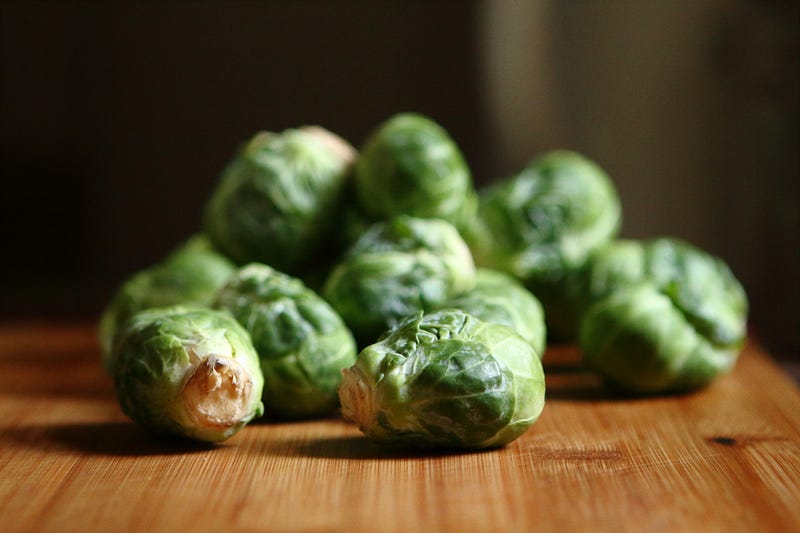
Photo by Keenan Loo on Unsplash

As murder weapons go, Brussel sprouts are right up there with toilet paper and underpants. You are more likely to die while eating a Brussels sprout than when reading The Da Vinci Code by Dan Brown.

Yes — it’s that serious.

In a list of most dangerous things, Brussel sprouts come between a Rubik’s cube and monkey saliva.

Extract from the list: The World’s Most Dangerous Things

…#3748 T-shirts

#3749 Rubik’s cube

#3750 Brussels sprouts

#3751 Monkey saliva

#3752 Duck whistle…

You see

Not only can a Brussel sprout cause a choking hazard, but a million of the little devils also dropped from a very high height might crush the life out of you.

And there is one more thing, Brussel sprouts contain cyanide.

Ever wondered what that bitter taste is that you get from them? It’s the thiocyanate in them, which is thought to be related to their bitter taste. They taste bitter — but only to around 70% of people. To the other 30%, it’s completely tasteless.

Studies confirmed the ability to taste bitterness is a genetic trait and one that is heritable.

Yet, these dangerous little devils are among the healthiest you can eat. Although human studies to date have been mixed, Brussel sprouts and other cruciferous veggies are being studied for their cancer-fighting potential, especially in breast, lung, prostate, and colorectal.

Did you know 1 cup of cooked Brussel sprouts provides over 200% of your daily value for bone-boosting vitamin K?

Research has shown that sulforaphane, a compound found in Brussel sprouts, may help prevent the overgrowth of H. Pylori, bacteria responsible for causing stomach ulcers.

If you still don’t like Brussel sprouts, then you are eating them the wrong way.

Roasted with garlic — yum, yum in my tum.
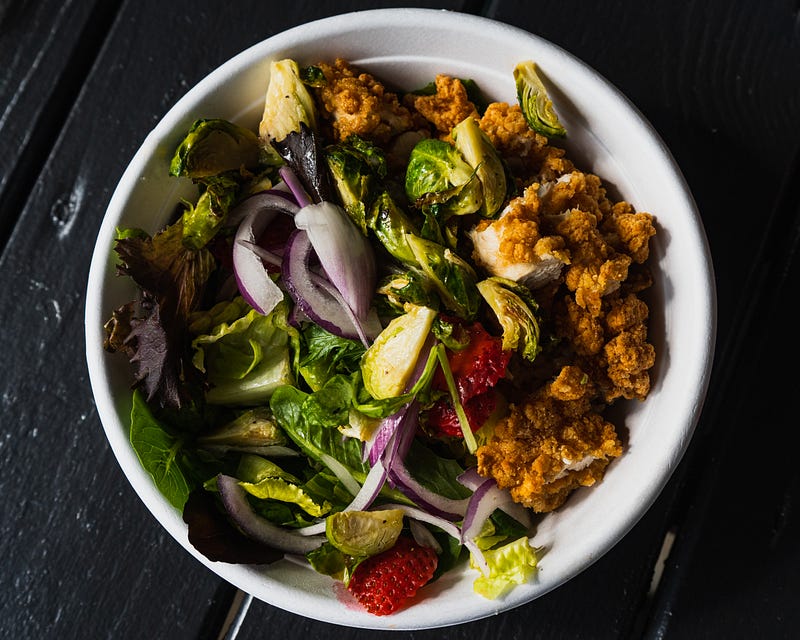
Photo by David Hunter on Unsplash
Food
Health
Humour
Vegetarian
Fitness
Recommended from ReadMedium