avatarYannik Pieper

Free AI web copilot to create summaries, insights and extended knowledge, download it at here

405

Abstract

on approach to this question is looking for really old coins. We can use on-chain data to see when each coin moved last. Below is a graphic representation of exactly that.</p><figure id="de93"><img src="https://cdn-images-1.readmedium.com/v2/resize:fit:800/1*2XEd4441M5Pv9arRyUllpg.png"><figcaption><a href="https://hodlwave.com/">https://hodlwave.com/</a></figcaption></figure><p id="2e3d">The dark blue

Options

part of the chart represents coins that haven’t moved for more than five years. They account for around 20% of Bitcoin’s supply and include the 1.1 million bitcoin stash of Satoshi Nakamoto.</p><p id="6254">These coins are often assumed to be lost, but there is no way to be sure. What do you think? Are these just hodlers with diamond hands? Or poor souls who lost their private keys?</p></article></body>

How many bitcoin are forever lost?

How much money is in the void?

Let’s get the facts out of the way:

2,815.57032982 BTC are provably lost. (Either due to miners not accepting their rewards or malformed transactions)

What about the rest?

A common approach to this question is looking for really old coins. We can use on-chain data to see when each coin moved last. Below is a graphic representation of exactly that.
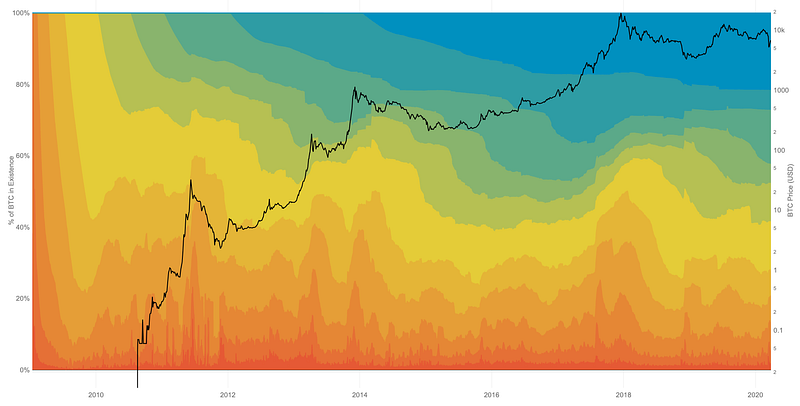
https://hodlwave.com/

The dark blue part of the chart represents coins that haven’t moved for more than five years. They account for around 20% of Bitcoin’s supply and include the 1.1 million bitcoin stash of Satoshi Nakamoto.

These coins are often assumed to be lost, but there is no way to be sure. What do you think? Are these just hodlers with diamond hands? Or poor souls who lost their private keys?

Bitcoin
Money
Satoshi Nakamoto
Short Form
Economics
Recommended from ReadMedium