
LIFE LESSONS
How Mama Africa Called Me Home
Finding traces of my culture in Tanzania
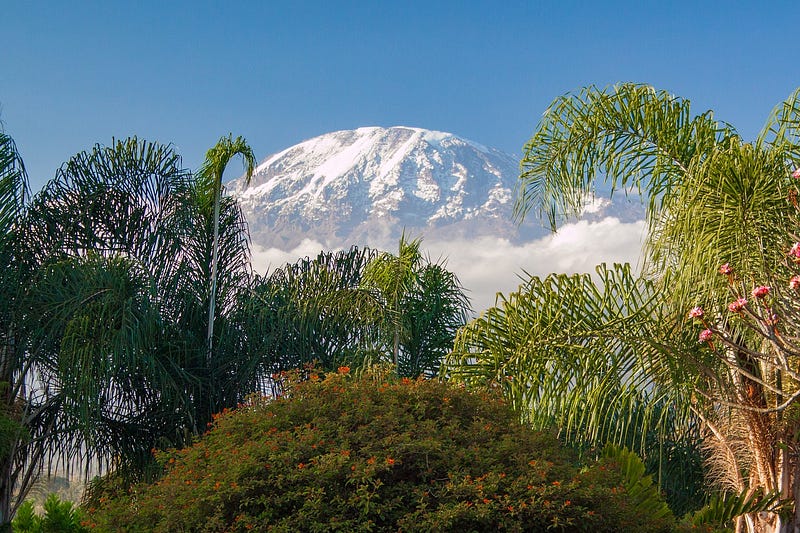
We can never predict what experiences lie ahead.
We can never predict what experiences lie ahead.
As Rubén Blades, the famed Panamanian singer crooned in Sorpresas: La vida te da sorpresas, sorpresas te da la vida. Life gives you surprises, surprises life gives you. How true those words are, and I’m sure everyone can relate to them.
In January of 2021, I would learn that my own life would be transformed by spending three short weeks in wondrous Tanzania. After 11 months of zero international travel, and upon hearing that U.S. passport holders were admitted entry to that East African nation, I decided to embark on a trip I’d thought about for a few years.
Where it led was both unexpected and transformative
El Flamboyán
I am Boricua. Technically, our tiny Caribbean archipelago is known as Borikén. That’s the name our indigenous Taíno people named their home. It means Land of the Valiant and Noble Lord. Puerto Rico is our colonizer name, see background history for details of the struggle. While many of us take serious issue with the notion that Christopher Columbus discovered us (how can a people be “discovered” when an area is already inhabited?), this narrative remains a sensitive one.
But, back to Africa.
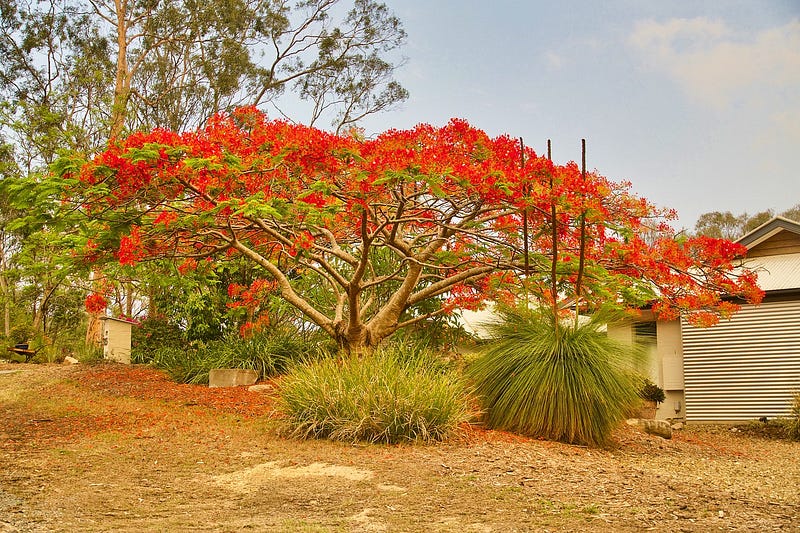
One of my first surprising sights after arriving in the capital of Dar es Salaam and heading to the quaint village of Kitunda, was the towering bright red Flame trees. As a child, I often visited Borikén and this tree is seen all over the main island.
My heart soared. The biggest smile came over my face. I knew that my people are said to have Taíno, African and Spaniard heritage, but the last thing I expected to find in Tanzania was El Flamboyán (as we call it).
Not knowing that the tree is not indigenous to Borikén, I researched further, finding that it originated from Madagascar and was brought by the Spaniards to our island.
Root Vegetable
My next pleasant unexpected similarity with my ancestral homeland would be the following morning at breakfast. The budget hotel in Kitunda was run by a lovely local family. Maya, the hostess offered to prepare my first meal.
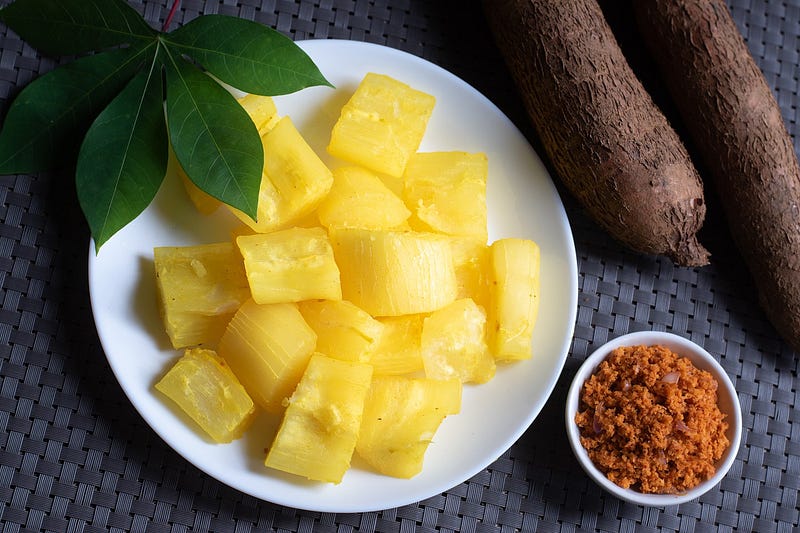
Cassava, boiled eggs, mchicha (a delicious Tanzania style spinach dish) and fresh pineapple were on the menu.
In Borikén, we eat the root vegetable, cassava — only we call it yucca. It’s typically cooked by boiling on the stove top or oven baked (in both instances, the rough skin is removed prior to cooking). When Maya served it — boiled with a sprinkle of salted oil, I once again had the biggest smile as I explained to her that it in my culture it’s a popular lunch snack.
El Quiquiriquí
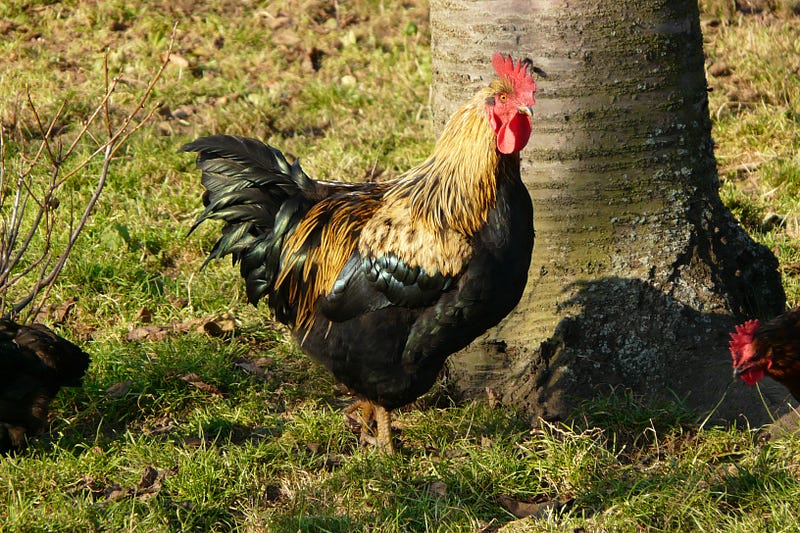
Lucy, the woman who birthed me, grew up in Trujillo Alto, a small northern town of Borikén. It’s the country side (el campo), and having spent countless summers with family there, the crowing of roosters at the crack of dawn was something I was very familiar with. But, there was no way I’d hear those sweet sounds in Tanzania. How wrong I was.
After a few days in Dar es Salaam, I left to volunteer in the port town of Mwanza. It was here, in a small village where I’d stay with a local family for almost a week.
The morning after my first night, I heard the sounds of my childhood summers: the quiquiriquí reminding the entire village that it was time to wake up. Tears filled my eyes as I was transported back to Trujillo Alto — and all those wonderful memories of being in Borikén.
Many Reminders
During those 21 days in Tanzania, I continued to find similarities with my culture. The warmth of the local people reminded me of the kindness of my own people. Whether back on the archipelago, in the U.S. or anywhere else in the world — we’re known to be some of the most welcoming, fun-loving folks. We love to dance, and share our culture with others.
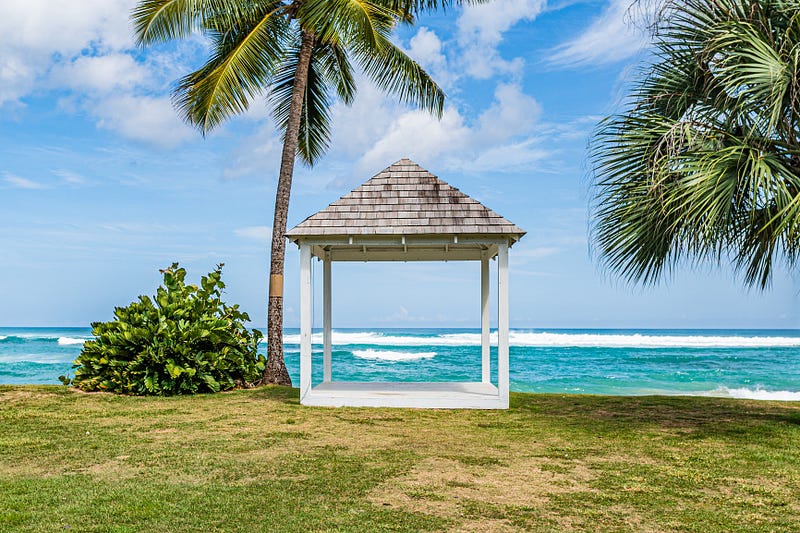
Seeing the tall palm trees in villages and cities across the East African nation was another commonality with Borikén. Whether walking on a beach in Unguja (Zanzibar Island) or riding in a dala dala in Dar es Salaam (or Mwanza), passing those tall trees swaying in the passing wind reminded me yet again of my homeland.
The tropical climate was yet another reason I felt my heart strings tug. Though the temperature and climate vary throughout Tanzania, I found the relentless heat of the scorching sun brought me back to summers in Borikén.
Returning Home
Being in Tanzania was a call for me to return to Borikén. It had been seven years since my feet had touched the soil that birthed my parents. And though I was born (also raised) in New York City, there has always been a strong connection to my Boricua roots.
2014 may not seem like such a long time, but the fact is that I’ve not visited my family in Trujillo Alto in over 20 years. The last several times I went to the island, I didn’t go to el campo to see my relatives.
Having spent a short time in sub-Saharan Africa was a message from my ancestors. They were telling me it was time for me to go back to my motherland.
The morning of 30 November 2021, with my one-way electronic ticket stored on my cellphone, my 35 liter hiking backpack, two suitcases, yoga mat and laptop, I left Charlotte to move to beautiful Borikén. The warmth of my resilient people, the love of family, the songs of our national frog, el coquí and the crowing of the quiquiriquí are all signs that here is where I belong. I decided to leave the U.S. — to live my life serving my people, and re-connecting with Madre Borikén.
Mama Africa gave me the most precious gift: an awakening of social consciousness and responsibility to return to the land of my ancestors. Returning is the start of another chapter in this journey. Whatever surprises are held therein, I remain eternally grateful.
I am now home and my heart hasn’t stopped smiling.


