
How making a game about depression helped me with mine
As I mentioned in a previous post, I was making a game as part of my Masters by Practice. Making a game isn’t new to me. In fact, I have been making them for the past 8 years.
But making a game all on my own… And making a game that I want to make… That was new.
Making a game all on my own
I am a programmer by trade, and I learned about design and production in my Masters program. But I never made art at a professional capacity before.
We can work with other people, but I opted not to. Not because I thought I could do everything myself. But because I didn’t want to let anyone down.
I know that doesn’t sound like someone with 8 years of experience should say.
It’s not that I’m not confident of my skills. It’s more like I’m not confident about my resolve. I know that I needed to make a game and I know that I needed to finish it before the deadline. But I also spend a lot of days not capable of getting out of bed.
People who don’t understand me and what goes on in my head, will think that I’m lazy. Okay, maybe I am. But it’s more complicated than that.
I talked more about this in another previous post.
Making a game that I want to make
I wanted to make a game about something that I care about. I wanted to make a game that revealed a part of me that I had always been too afraid to show.
I chose to make a game about depression.
As I talked about in yet another previous post, as someone who had tried so many times to write, short stories, poems, novels, the first thing that people tell me is “write about what you know”.
I figured it can also apply to making video games. Because video games are a great form of expression, it allows players to step into the shoes of a character.
Other games made about depression have trigger warnings in the beginning.
Making a game about depression while I have bouts of depression- that doesn’t sound like a good idea. At all. But I chose to do it anyway.
As much as I want to only “write about what I know”, I also want to include more voices and other stories. So I started a project on HitRecord.
HitRecord is a website where people collaborate and make things together. I created challenges and asked people for their stories and their input.
As much as I don’t want anyone else to go through the same things I do, knowing that I’m not alone made me feel better. Also because reading about how other people overcame their depression, gave me the assurance that I can also beat mine.
What I made
Depression Simulator is point-and-click puzzle game that simulates the everyday life of someone living with depression, where even the most mundane and menial tasks become a challenge.
Moving Forward
The most obvious way forward is to keep working on this game and release it.
But as I mentioned in another previous post, I had this idea of developing a platform for people to share their stories and talk about their experiences with depression and then I’m going to spend some time making those stories into little puzzle vignettes.
With a little help from my friends
This time I know that I couldn’t do everything by myself, so I approached two of my friends and together we are making MuniReality.

MuniReality will be a interactive web platform, where people living with mental illness can share their stories and have them transformed into interactive games. The games will be be built around comments and contributions from the community.
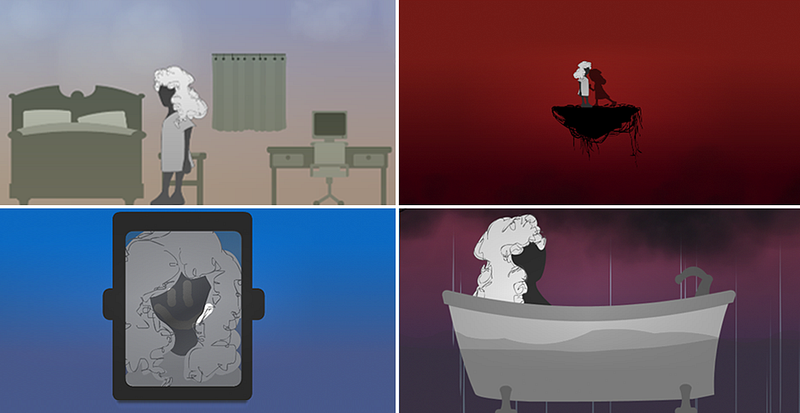
The games will be designed to visually emulate the mood and inner struggles of the people sharing them.
By making games from personal stories, we hope to generate interest about mental health that would not otherwise be achieved by simply telling people to care about it.
Please help us make MuniReality happen by funding our Indiegogo campaign. From the bottom of our hearts, we thank you.
Update:
Our campaign may be over and we may not have succeeded, but that doesn’t mean that we will stop. We will keep working on MuniReality, because we really want to #stopthestigma associated with mental illness and help people in our own little way.


