
How Diversity Made MAC Cosmetics A Billion-Dollar Brand
Because they started making make-up for black and brown people.
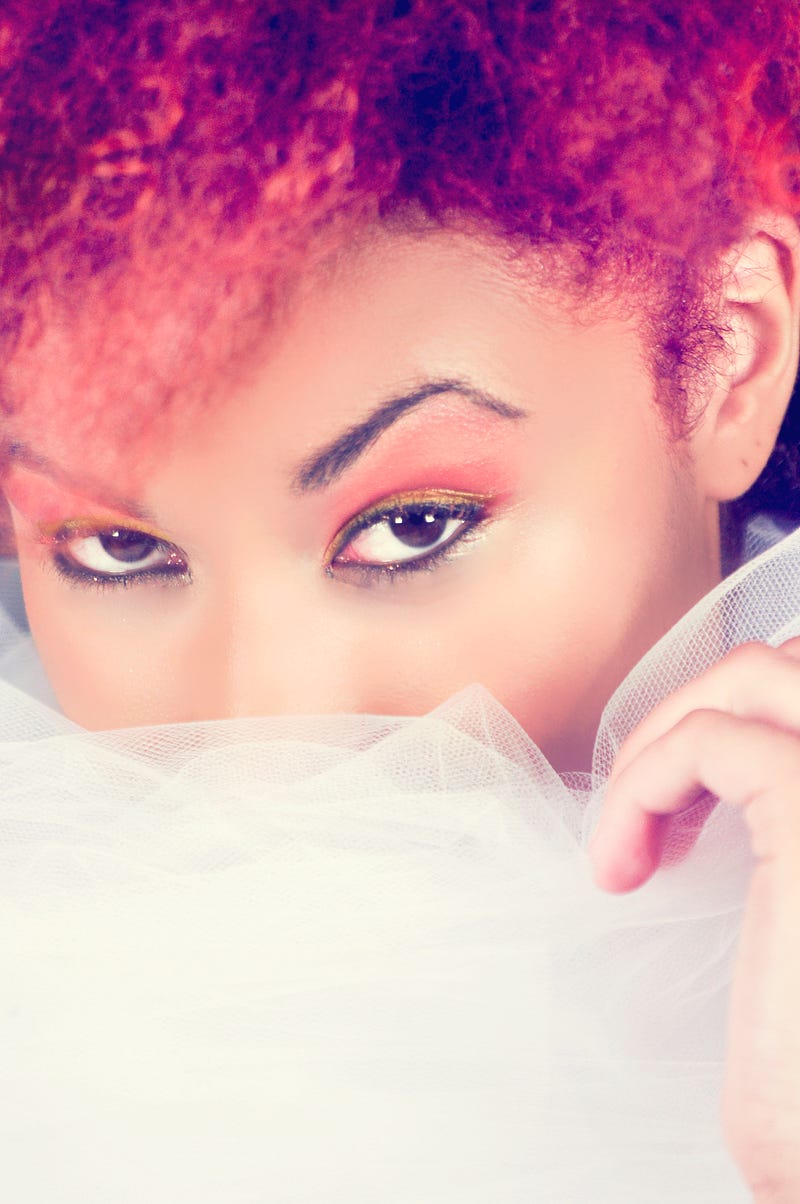
I’ve always been fascinated by makeup, not because I have bad skin, but rather because I love how makeup can transform one’s face. From a perfect smoky eye to a beautiful cupid’s bow lip, makeup has the power to make people feel beautiful.
My mother let me start wearing lip gloss and eyeliner when I was 16. When I turned 18, I decided to try foundation, blush, and eye shadow. I sauntered with excitement to the nearest makeup counter at a luxury beauty store only to be turned away just as quickly as I had arrived.
“We don’t have anything for your skin color. Black people don’t need to wear makeup,” said a perfectly groomed white lady at the make-up counter. I sensed she will a little aggravated by my presence.
No make-up for black people
My hopes were dashed. Here I was, brimming with excitement, imagining the different lipsticks and eye shadow color combinations that I could try on, and suddenly there was this brutal awakening, the reality that there were no products for me. How could that be? All my white teenage friends were enjoying pearly pinks and orange peachy lipstick. Why was I deprived of the fun of that experience?
I realized then and there that for the cosmetics industry, I, a black girl, did not exist. So much so that they had not a single shade of lipstick in their product range that could suit my skin color.
I tried other makeup counters and for the exception of Fashion Fair, an American brand created for black women, but way too expensive for my budget, I always got the same response: We have nothing for you. It was as if I annoyed the makeup counter ladies with what they considered to be a nuisance.
And then came MAC cosmetics
All this started to change when the Canadian brand MAC Cosmetics launched its all-inclusive Studio Fix foundation line in 1984. I remember entering their flagship store in Toronto, Canada, in 1994, and seeing over 50 shades of foundations and hundreds of lipsticks and eyeshadows to cater to all shades and hues. I thought I was in heaven.
A makeup artist approached and asked if she could advise me. I was stunned. I was not accustomed to being cared for at a makeup store. I knew that no matter what happened, I was going to buy lots of make-up from this particular place to make up for the many years when I was deprived of this experience.
A whole new market
MAC cosmetics realized long before everyone else that there was a large unmet need in the market for makeup for people of color. When you think of it, there are 45 different shades of black and brown people in the world and only 7 shades of caucasian. That in is itself makes a solid case for why cosmetics companies should cater to the beauty needs of people of color.
In the 90s, MAC cosmetics was a relatively new brand, an outlier taking on the big luxury French brands like Chanel, Dior, Lancome, and Estee Lauder. They knew that these traditional brands weren’t catering to the needs of black and brown people, so they nipped up that market.
MAC cosmetics was the first brand of makeup I brought and today nearly 30 years later, I am still loyal to the brand and have convinced many of my friends to buy it too.
Bright and vibrant colors
MAC built a diverse and inclusive brand and in so doing opened up a whole new hugely profitable market. They understood that vibrant colors looked good on black and brown skin and they developed their product lines accordingly.
To get customers to buy their products, they even went so far as to offer free makeovers in stores for clients to test different and diverse shades. After one of those special treats, most customers bought MAC products and remained loyal to the brand.
Needless to say, after MAC made a killing in the market, other high-end brands who had always neglected black and brown people for decades like Chanel, Dior, Yves Saint Laurent, and Lancome, launched their own makeup lines for black and brown people too.
Diversity sells
MAC also pushed diversity even further by training and hiring heterosexual and LGBTQ make-up artists. Diversity permeated all aspects of the brand — not only in its products but also in its employees.
They were a front runner in diversity in the industry and this has contributed to making then an extremely profitable brand. The Estee Lauder group of companies bought the MAC cosmetics brand in 1996. I guess it was a case of if you can’t beat them, join them.
Today MAC Cosmetics is one of the top 3 most profitable global makeup brands. It has an annual turnover of over $1 billion and has over 500 independent stores around the world. It has co-branded product lines with Mary J. Blige and Taraji P. Henson amongst many others and continues to have a large piece of the market share of makeup for people of color.
One learning I take away from this is that people of color represent an untapped market for so many industries. We need more innovators that are going to see these opportunities and cease them wholeheartedly.
Thanks for reading my perspective.