
How LGBTQ+ Athletes are Redefining European Sports
Changing Games
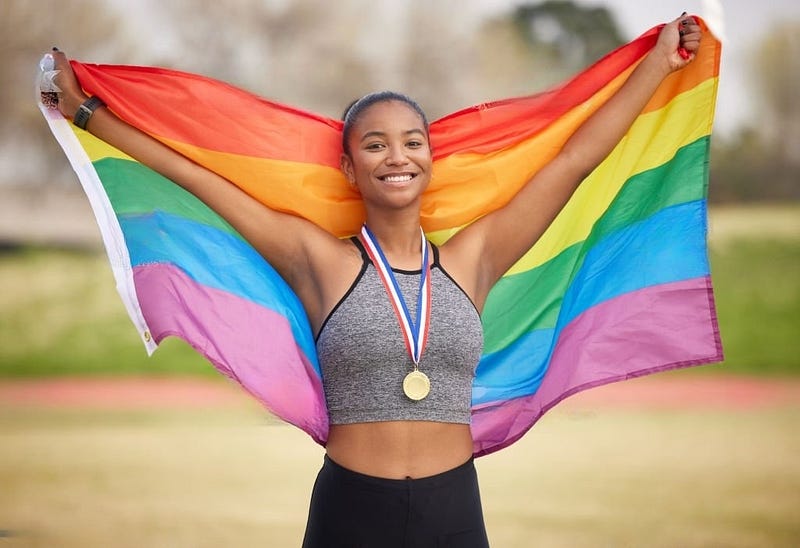
In the heart of Europe, an undercurrent is sweeping across stadiums, locker rooms, and training grounds. It’s a revolution altering the landscape of European sports, and it’s being led by a group that has long been on the fringes of mainstream athletic culture — the LGBTQ+ community. These athletes, some coming out amidst applause and some amidst challenges, are redefining the game. This is their story.
#1 The Out and Proud
Before delving into the nuances, it’s essential to recognize the heroes of this tale. Athletes such as footballer Thomas Hitzlsperger of Germany, and the indomitable Swedish women’s football team captain, Nilla Fischer, have braved the odds to come out in a world where their sexuality was once considered taboo. Their courage has paved the way for numerous others, giving them hope that they, too, can be true to themselves and outstanding in their chosen sport.
#2 The Changing Atmosphere in the Locker Room
Traditional locker rooms have been bastions of hyper-masculinity and machismo. This environment, historically, has been hostile towards anyone who deviates from heteronormative standards. But times are changing. As more and more LGBTQ+ athletes emerge, teams and teammates have been forced to reflect, understand, and, more importantly, embrace diversity. The narrative is shifting from being just a player to being a person first.
#3 Allies on the Field
Some European football clubs, traditionally considered fortresses of old beliefs, are now leading the charge for inclusion. Rainbow flags fly high during matches, and clubs like Manchester City and Borussia Dortmund have taken a definitive stance against homophobia and transphobia. Fans, too, are becoming allies. European stadiums’ once-feared terraces often ring with chants supporting LGBTQ+ rights, proving that love for the sport transcends prejudices.
#4 Media and Endorsements
The commercial side of sports, which once shied away from LGBTQ+ representation, has evolved too. Big brands that endorse athletes are proud to stand by their LGBTQ+ representatives. This change ensures economic support for these athletes and spreads a powerful message of acceptance to millions of fans worldwide.
#5 Still A Long Way To Go
While progress has been significant, it’s essential to note that homophobia and transphobia still exist in pockets of European sports. Some athletes are still afraid to come out, fearing backlash from fans, teammates, or even their career’s premature end.
#6 The Role of Grassroots Movements
Behind the scenes, many grassroots movements and NGOs are working tirelessly to make sports more inclusive. Their workshops, awareness campaigns, and lobbying efforts are crucial in the slow but steady change in attitudes across the continent.
#7 The Next Frontier
One of the more complex debates in recent times has been about including trans athletes in competitive sports. While opinions differ, the success stories of athletes like Chris Mosier, the first openly transgender man to make a U.S. Men’s National Team, give hope. Europe needs to evolve its policies to ensure that everyone, regardless of gender identity, has a fair chance to compete.
#8 National Teams Leading the Charge
It’s one thing for clubs to support LGBTQ+ rights, but the message is amplified when national teams showcase this endorsement. Recently, when England’s national football team wore rainbow armbands during an international match, it echoed a strong stand against discrimination across the continent. Such acts by national icons set the tone for entire generations.
#9 The Rise of Queer Fan Groups
All across Europe, from London to Lisbon, fan groups exclusively dedicated to the LGBTQ+ community are making their voices heard. These groups support their teams and strive for broader acceptance and representation in the sport. Some examples are the ‘Queer Football Fanclubs’ in Germany or ‘Proud Lilywhites’ supporting Tottenham Hotspur in England. Their active presence forces clubs and governing bodies to take note and act.
#10 The Game-Changers Behind the Scenes
LGBTQ+ athletes on the field are only a part of the story. Many LGBTQ+ individuals work tirelessly off the pitch, from coaching roles to administration, ensuring that the sporting environment is genuinely inclusive. Their efforts, often overshadowed by the limelight of the players, are equally crucial in this transformative journey.
#11 LGBTQ+ Athletes in Popular Culture
The world of cinema and literature has begun to recognize and celebrate LGBTQ+ athletes. Movies, documentaries, and books about their struggles, triumphs, and journey inspire and enlighten many about the challenges they face. As these stories become mainstream, they wield the power to change mindsets and break stereotypes.
#12 Not Just LGBTQ+ Voices
Change isn’t driven by LGBTQ+ voices alone. Many heterosexual athletes, coaches, and sports personalities have come forward as allies, using their influence to advocate for inclusion and equality. Their solidarity amplifies the message and gives it a universal appeal.
The Road Ahead
The journey has only just begun as European sports undergo this transformative phase. Every milestone achieved is a step closer to an environment where an athlete’s gender or sexual orientation is neither a headline nor a hindrance.
The changing landscape is a testament to the spirit of sports — it evolves, adapts, and, most importantly, unifies. With the collective efforts of athletes, fans, administrators, and the media, European sports are on the brink of an era where everyone, irrespective of their background, can honestly say they are a part of the game.
Join the movement, champion the cause, and let’s play on — together, united, and equal.
Thanks for taking the time to read. I’d like to hear your perspective.
You can also refer to the related articles:
Please subscribe here to receive the latest insightful stories by email.
Did you find this enjoyable? If so, remember to hit the clap button, which you can press up to 50 times and comment. Take advantage of more from me — ensure you’re following if you still need to. Thank you for being an integral part of my journey.


