
How Leadership Is More About Prudence Than Bravado
Millions die when a leader fights an unwinnable war
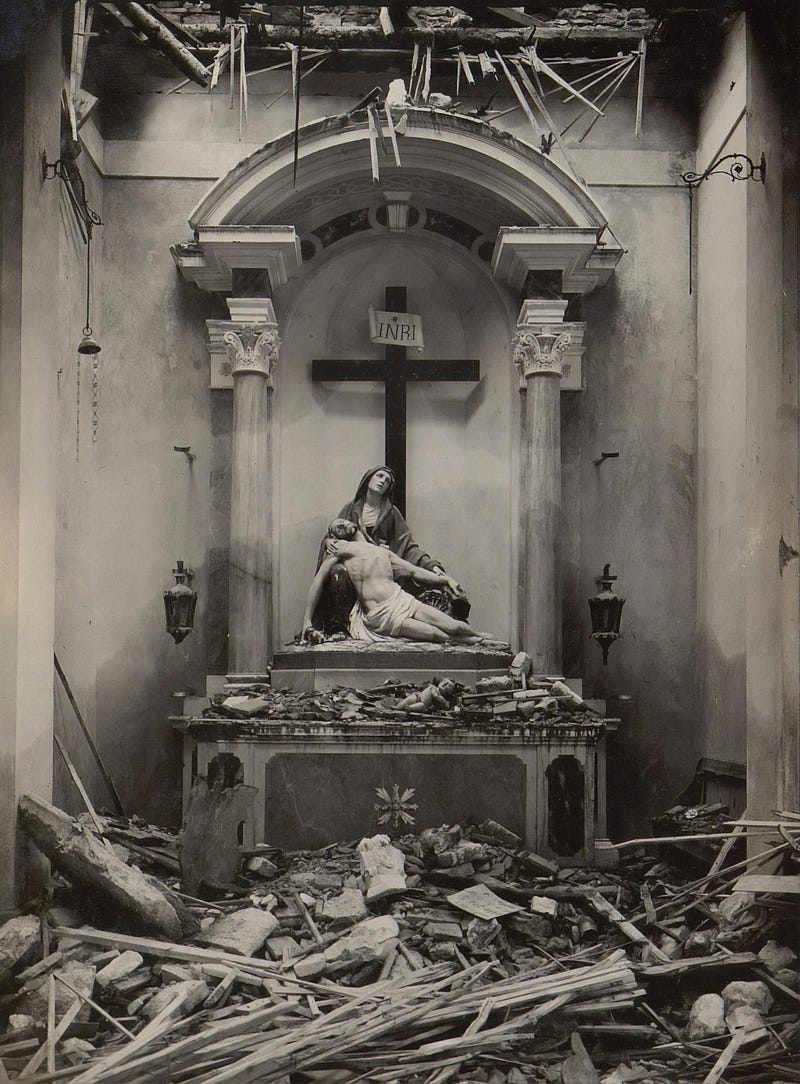
What should the leader of a small country do when an enormous power declares war on his land?
The leader can respond in many ways. He can fight to the last man and earn personal glory, despite millions of his people dying.
He can surrender without a fight and court personal ignominy.
There is a third alternative. The leader can accept the harsh reality of living with the powerful nation next door. He can seek a negotiated settlement with the aggressor, which will involve making concessions, yet preserving the country’s independence. An honourable settlement will prevent bloodshed.
A compromise is more prudent than a reckless fight with a formidable enemy, which will cause misery for his people and cause widespread destruction. The leader should avoid a war that he cannot win.
Ideally, the leader should try for a compromise deal to prevent the war and not desperately try to stop the fight after it has started. But it is never too late to compromise when the pitiable wailings of the mourners ring across the graveyards.
The leader of the smaller nation should not be misled by the promises of the enemies of his enemy. The supporting countries will promise all help. But they will not directly participate in the war, mainly because the significant aggressor has nuclear weapons. The enemy nation’s leader would use atomic weapons if others joined the fight.
The enemies of the enemy will supply weapons. Their military suppliers will benefit from the arms supply. The victim nation will hardly be able to use the guns because the aggressor will use more firepower and violence to subdue the victim.
A leader should never fight unwinnable wars with superior enemies. He should prioritize saving the lives of his people over seeking personal glory.
The leader should listen to his people before fighting a war that he will lose at a high cost.
The media may glorify him as a brave man, but future generations will curse him for causing the death of thousands of people by fighting an unwinnable war.
A war between unequal powers is a senseless yet avoidable tragedy.
History will value honourable peace over glorifying reckless war-making.
Disclaimer
This article does not endorse armed aggression by mighty powers against smaller nations. It offers a sensible alternative to destructive war-mongering, which could escalate into WWIII.
Enlightened pragmatism, not reckless bellicosity, will save the world from WWIII.
The international community should ensure big power rivalry does not spin out of control. A global conflict will destroy the world.
Readers, if they prefer, can relate this story to contemporary events.
Thanks for reading this story.


