
How it’s like living in a Tiny House?
Tiny Homes are about living simply, beautifully and yet still with everything you need. It’s about freedom from debt and having the economic freedom.
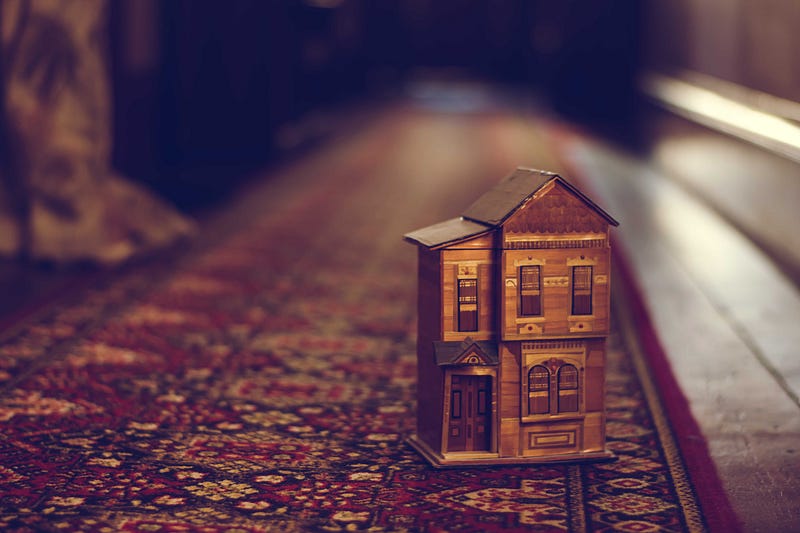
Houses in the U.S. have been bigger. The typical house size was 2,690 square feet in 2014 — the largest ever, according to U.S Census Data. (The average home was 2,095 square feet in 1995.) But along with this trend of bigger houses, there has been one completely opposite trend going on.
LIVING IN TINY HOUSES
They are usually 300 square feet (28 square meters) or less — other sources say the limit is 500 square feet (46 square meters)
They’re built using conventional building methods but are around the size of an RV travel trailer.
They’re usually built on a flatbed trailer so they are portable.
Tiny houses are on trend right now, but while the minimalist lifestyle has benefits, it also brings challenges.
Tiny houses can help people live debt free, but living in these small quarters can also bring unexpected problems that can seem magnified in a tight space.
These houses have their perks — they’re both environmentally and budget friendly. But living in such tight quarters can create unexpected problems, like difficult zoning laws, easier wear and tear, taking care of compost toilets, and quick messes, to name a few.
Tiny houses may have their appeal, but they’re not the right fit for everyone. There are a few things to consider before plunging into such a small space.
Moving your tiny house can be pretty expensive. When people move into tiny houses, they don’t realize how difficult it is to travel. For starters, you need to have access to a U-Haul or a bigger truck to attach your home to, which can get costly. You also have to tie down most of your belongings in the home so that they don’t fall and break while moving.
If you don’t like going to the bathroom in the same spot you get clean, tiny house living may not be for you.
As all tiny houses are narrow by design, living spaces can be cramped. Most tiny houses are just 8 1/2 half feet wide because that is the maximum width a vehicle can be to legally drive on roads.
While tiny houses are known for their innovative storage options, those spaces can still be extremely small.
Few reasons why people live in tiny houses
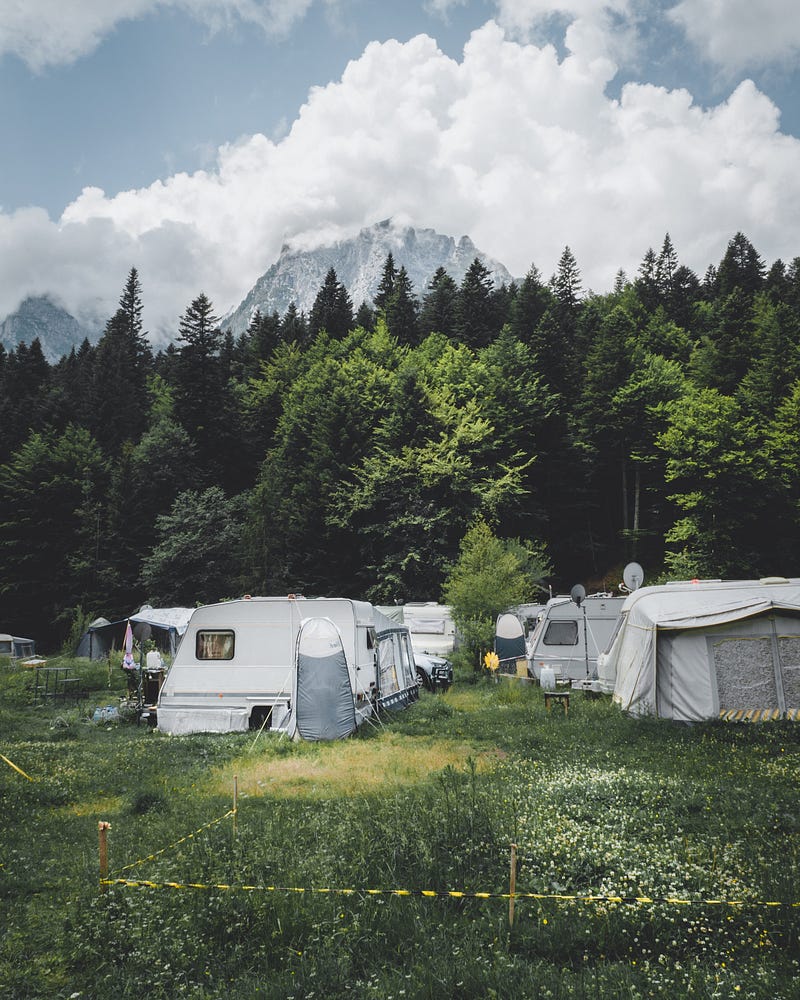
People learn to let go of thing. I personally keeps his tiny house lightweight. The towing capacity for my vehicle is around 5,000 pounds, which means my tiny house, along with everything inside, needs to stay under that amount. By moving into a tiny house, I had to let a lot of his material possessions go.
Becoming more environmentally conscious. “The whole house, I bought runs on less than 20 amps, which is a standard exterior outlet,”. According to inspectamerica.com, a typical house is wired to use between 100 and 200 amps, depending on the size of the house and the types of appliances in use.
A greater appreciation for the meaningful things. I have started appreciating things on a deeper level. In addition to treasuring the time I has to travel and trek, I have gained a greater appreciation for good friends, strangers.
It’s easier to make choices. I don’t have to think about a lot things now like, what to wear and all. I usually just wear jeans and a T-shirt. There’s none of this ‘black jeans, white shoes’ nonsense. I wear black and gray, and everything matches with that. It’s so easy.
Getting out of debt. One of the biggest benefits was saving money and working on becoming debt free. Buying a tiny house, or building one if you have the skills, costs substantially less than buying a typical house.
Having a house that you can travel is some other level of comfort that you get while living in a tiny movable house, it’s like staying away from home but still being at home.
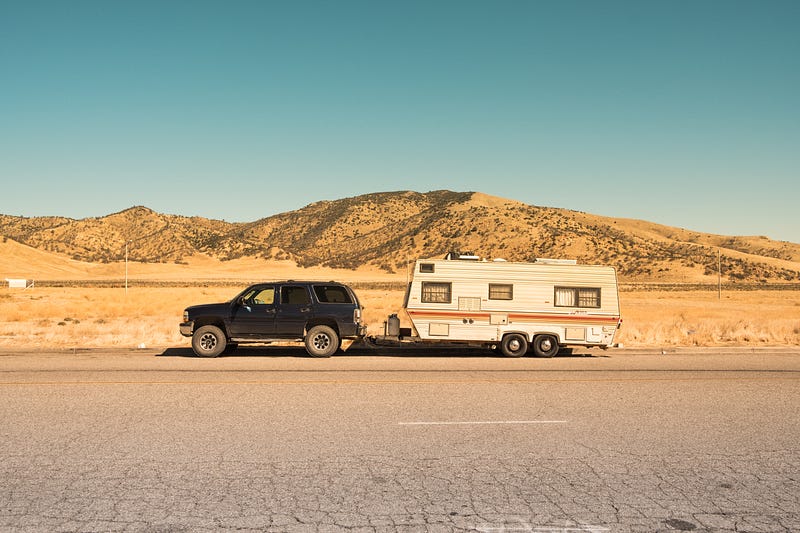
What do you think about the Living in a tiny house on wheels? Let us know with a comment in the response section below.