
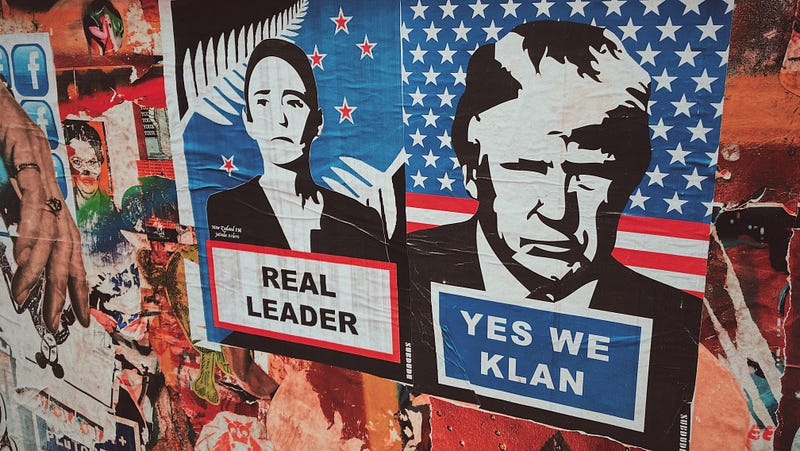
How Racist Is Your Small Town?
I’ll warn you now. Finding out won’t be pretty.
Three things to briefly address before I begin:
First, this is not a satirical or “funny” piece. I wish it was. Truly.
Second, I am writing from the perspective of a white American male living in suburban New England.
Third, I showed an earlier version of this piece to friends in the UK, Canada, Austria, and Australia. All seemed to think that what I’m about to present could be applied to small towns in their countries. That said, if you’re outside of the US, your experience may vary.
Now then…
The setup
Last year we took a family trip to Sesame Place in Pennsylvania. Along the way, I became kind of fascinated by the many small towns we drove by and started jotting down the names of some of them. I later went on to Facebook to see how many had Facebook groups devoted to their towns.
Of a little over fifty towns, I found Facebook groups for thirty-seven. I joined them and now quietly lurk on pages for towns in Rhode Island, Connecticut, New York, New Jersey, and Pennsylvania. I’m only active on a couple in Rhode Island (where I live) and one in New York (where I’m a regular visitor).
Some of these small-town pages were created by individuals. Some were created by business associations. Some were created by the town government. The focus tends to vary. Some towns talk a lot about the schools. Some focus more on local businesses. All the ones I’ve joined also get into local events like craft fairs and holiday bazaars.
And every town has that person who’s so lonely and insecure that they engage in trolling for attention. What are you going to do? You could try spraying for trolls or setting out glue traps, but they keep coming back.
But the trolls aren’t my main concern. My concern addresses the individuals who don’t usually speak up much but are now suddenly making a lot of noise. They‘re the ones revealing just how deeply rooted racism is in America and how far we have to go to get things right.
The reveal
How does one discover how racist their small town is?
Simple.
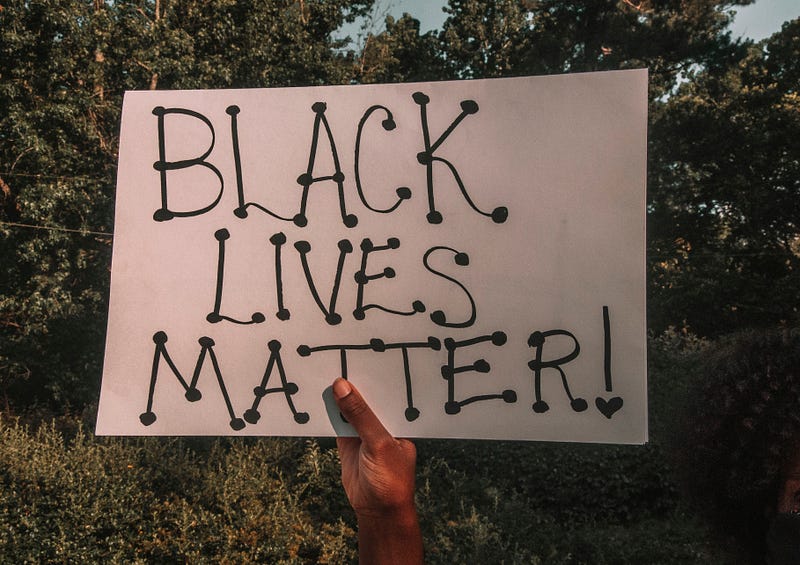
Go to the town’s Facebook page and simply post “Black Lives Matter.”
No other commentary is necessary. No images or memes. Just the words.
Black Lives Matter.
And watch the racists come out of the woodwork like cockroaches.
A word of warning. Some of them are going to surprise you.
That nice guy who repainted the church? He’s sick and tired of having BLM rammed down his throat. He’s about to try to drown the thread with whataboutisms and off-topic fetishizing of the military.
That nice lady who runs the annual flower show? She thinks All Lives Matter and feels that Black people should just follow the law, and they won’t get killed for just walking down the street or, you know, sleeping in their own bed. She feels very threatened by having to acknowledge that Black people not only have a right to live in peace — but also expect to be treated as fairly and equally as she has always taken for granted.
And brace yourself. Your next-door neighbor just comes right out and says he doesn’t like Blacks, and he’s tired of being made out as the bad guy. By the way, he didn’t actually say “Blacks,” he said something much more crude and unacceptable.
The moderators of the Facebook group might bounce the now-openly racist neighbor. Or they might defend him and instead bounce you for posting something so “controversial.”
There is nothing controversial about Black lives mattering.
By publicly stating that Black Lives Matter, most of the racists won’t be able to help themselves but to chime in to drown out, dismiss, or delete the very idea.
As I said, it won’t be pretty.
And these are just the ones who speak out against Black Lives Matter when it comes up. Don’t forget that for each one, there are many others who see their hateful words and say nothing. Whether they’re afraid, or they’re in agreement with the hate or dismissiveness, they can be a problem as well.
Now what?
So you’ve revealed the ugly racist underbelly of your small town.
What are you supposed to do about it?
Well, look… information is valuable. If we learned anything from the results of the last presidential election, racism, fear, and resentment have been lurking closer to American life’s surface than many of us dared believe. We were caught unawares and now look where we are.
It hasn’t been great.
But by knowing what we’re dealing with, we’re in a better position to counter it and grow beyond it.
It won’t happen on Facebook, mind you. Hearts and minds are rarely changed on social media, but you can become more active in promoting racial justice. You can find out who to call in the town government. You know who to be wary of.
You can also discover who your allies are and that there are more of them than you realized.
Naming and shaming can be an option. So can boycotts. But they don’t change a lot of minds. They just drive it back under the rock until we forget about them — and then they come back.
The good news is that Facebook is not an entirely accurate reflection of reality. Racists feel under attack, and rightly so. They’re going to be making the most noise, but that noise is not necessarily reflective of their number. They just happen to be the ones easily triggered on Facebook.
While there may be more racists and other awful people around than we thought, good people still outnumber them by a lot.
Organize. Get involved. Donate time and money when you can. And know what challenges you face.
Also, be careful. Angry racists aren’t the smartest people — otherwise, they wouldn’t be angry racists. Some may try to retaliate beyond the confines of social media. Be smart, but be brave as well.
Make sure that you are in command in how you engage with racists. You control the conversation and the future — not them.
BIPOC — our fellow Americans — have been dealing with this crap for decades. Listen to them and be steadfast allies. Give their voices and experiences more volume than your own. They have something to say and we all need to pay attention this time.
We’re all in this together, and together we will overcome.
Cheers!
Thank you for reading. I’d love to share more with you via my Bi-Weekly Word Roundup newsletter sent to subscribers every other Sunday. It will feature news, productivity tips, life hacks, and links to top stories making the rounds on the Internet. You can unsubscribe at any time!


