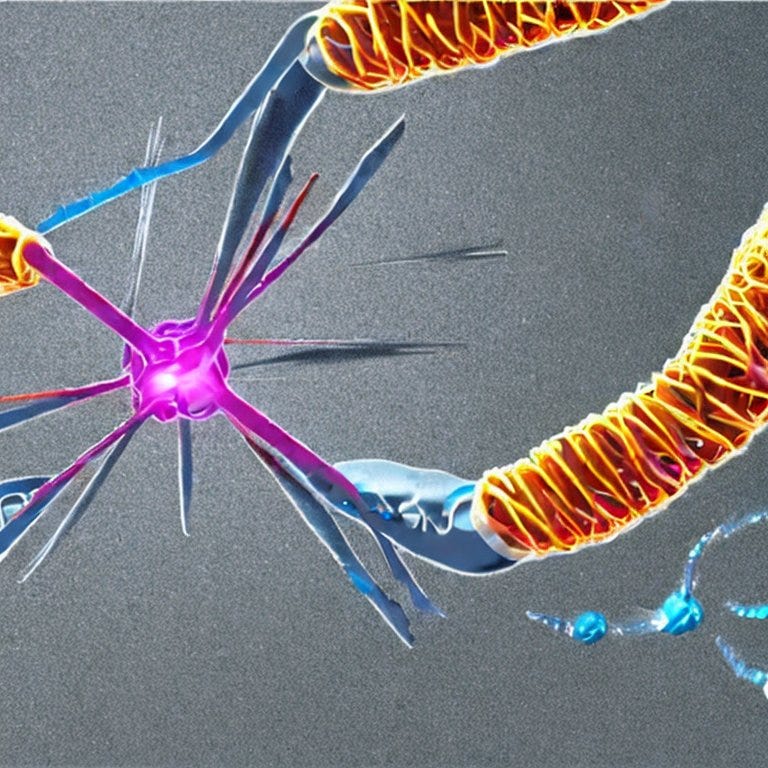
How is AI used in the creation of GMO crops?
Artificial Intelligence (AI) is a rapidly growing field that has become increasingly important in agriculture, especially in the creation of genetically modified organisms (GMOs) or biotech crops. With the increasing global population, the demand for food production is growing, and the use of AI can help address the challenges that come with it. In this article, we will explore how AI is used in the creation of GMO crops and its potential impact on the food industry.
What are GMO crops?
GMO crops are plants that have been genetically engineered to possess desirable traits such as resistance to pests, herbicides, and extreme weather conditions. This genetic modification is achieved by inserting specific genes into the plant’s DNA, which alters its genetic makeup. This alteration allows the plant to produce more food, grow faster, and withstand harsh environmental conditions, leading to higher crop yields and increased food production.
How AI is used in the creation of GMO crops?
AI has revolutionized the field of agriculture, making it possible to design and create GMO crops with precision and speed. Here are some ways AI is used in the creation of GMO crops:
- Predictive Modeling: Predictive modeling is the use of machine learning algorithms to analyze vast amounts of data and predict future outcomes. In the creation of GMO crops, predictive modeling can help identify genes that will be most effective in conferring the desired traits to the plant. This method helps researchers to focus on specific genes, rather than testing thousands of genes, which can be a time-consuming process.
- CRISPR-Cas9: CRISPR-Cas9 is a gene-editing tool that allows scientists to make precise edits to a plant’s DNA. AI algorithms can analyze vast amounts of data and identify the most effective gene-editing targets to introduce the desired traits into the plant’s genome.
- Genomic Selection: Genomic selection is a technique that uses genetic data to predict the performance of a crop in different environmental conditions. AI can analyze this data and predict which crops will perform best in a specific environment, enabling breeders to develop crops that can adapt to changing climatic conditions.
- Robotics and Drones: Robotics and drones can help to collect data on crop growth and health, allowing farmers and researchers to monitor crops in real-time. This data can be analyzed by AI algorithms to identify plant stress and other factors that may impact crop yields.
- Disease Detection: AI can be used to analyze satellite imagery and detect early signs of disease outbreaks in crops. This technology can help farmers to respond quickly to potential outbreaks, minimizing the impact on crop yields.
Impact of AI on the food industry
The use of AI in the creation of GMO crops has the potential to transform the food industry by increasing food production and improving crop yields. With the world population projected to reach 10 billion by 2050, the demand for food is only going to increase, and the use of AI can help address this challenge. AI can help create crops that are more resistant to pests and diseases, reducing the need for pesticides and herbicides. This technology can also help farmers to respond quickly to changes in weather patterns, ensuring that crops are grown in optimal conditions.
Conclusion
The use of AI in the creation of GMO crops has the potential to revolutionize the food industry by increasing food production and improving crop yields. AI algorithms can analyze vast amounts of data, predict outcomes, and help breeders to create crops that are better adapted to changing environmental conditions. This technology has the potential to create more sustainable farming practices, reducing the impact of agriculture on the environment. However, it is important to note that the use of GMO crops remains a controversial topic, and there are concerns about the potential impact on human health and the environment.