
How Introverts Can Best Deal With the Extroverts in Their Lives

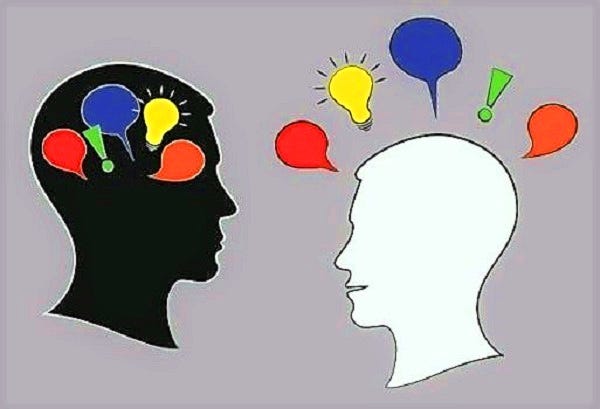
There’s no debating the fact that introverts and extroverts have very different styles. Because of this, they sometimes have trouble understanding each other and misinterpreting conversations. These two types often have difficulty reading each other due to the way they process information. For introverts the seemingly excessive wordiness of the extrovert can be difficult to follow as they tend to need to internally process what they are hearing as they are hearing it before generating a response. For extroverts, they become concerned when there is no immediate response to their comments and may think the introvert’s pauses to think, as meaning something negative. They aren’t sure if the introvert is mad, sad, disinterested or not listening. Extroverts want and need words and don’t often do well with silences. It helps for introverts to explain their more quiet nature and their tendency to think about new information prior to responding and when they don’t immediately reply it’s nothing more than that.
Introverts also need more down time than extroverts. They may feel guilty about turning down invites to go out after work or when a friend calls with a last minute idea of hitting the newest club. Though it may sound callous, introverts need to prioritize and plan who they spend more of their time with. If they use up all their energy socializing with someone who strikes up a conversation with them in a coffee shop they’ll be drained when their sister calls and reminds them about their dinner out. Introverts can’t afford to let others completely dictate their schedules. They need to plan their time based on their knowledge of their needs and the times of day most conducive to socializing based on their commitments. They know they need quiet time and should make sure they have it. Sometimes it helps to have one day a week that is reserved just for them. Recharging their batteries makes it possible for them to have more energy when dealing with extroverts.
Introverts can often feel slighted when going to parties or large gatherings with an extrovert. It seems the more people an extrovert talks to the more people they want to talk to while the introvert is quickly worn out. Given that introverts tend to be bored by small talk new social situations where small talk is everywhere can be somewhat of a trial for them. When their extroverted friend wanders off while talking their way through the room it’s important for an introvert to understand the excitement their extroverted friend feels in stimulating environments is actually hard wired. Research has shown that extroverts associate the neurotransmitters that make people feel good with their environment. Their preference for face to face conversation and immediate gratification often found and large social events increases the release of these neurotransmitters reinforcing their enjoyment of the situation. Introverts attend more to details than the grand scheme of the party and are often overwhelmed by too much stimulation which means parties can be exhausting for them on an intellectual level. As the part goes on the extrovert becomes more energized and the introvert becomes more tired. Letting the extrovert explore and socialize without feeling the need to follow in their footsteps instead finding someone who has a similar nature to talk to can make social events with extroverts easier. Also coming to an agreement about leaving is important. If it is clear that an extroverted friend likes to close the party down which is bordering on torture for an introvert, taking separate cars can help provide the introvert with control over their ability to leave when they are still feeling good. This can also let an introvert come and go which may be a style that helps introverts handle large numbers of people and high levels of stimulation through short breaks and time to themselves, re-energizing themselves which lets them stay longer.

It’s great to be able to interact with a wide variety of different kinds of people — it is one of the things that keeps life interesting. But in order to do this, we need to know ourselves and our needs and find strategies for meeting them when we are with others who have different and possibly conflicting needs from our own. We all come into contact with people we really like but who have very different styles from ours which can make for difficulties, concerns or doubts. Usually, the best overall strategy is open communication and letting others know why we may be doing things differently than what they are used to or that while we are happy for them to engage in certain activities we prefer not to do so. It’s important to understand that just because we don’t share every interest or have the same personality as others doesn’t mean we can’t be close to them and enjoy their company. It just means understanding the need for sharing what makes us tick and enjoying the activities and preferences we do have in common while taking time apart to do the things we may not have as a mutual interest. After all, diversity is the spice of life and being able to enjoy it while being true to ourselves provides for a satisfying and full life.