
How I Won My Sleep Back
9 ordinary lifestyle changes to subdue insomnia and get a good night’s sleep
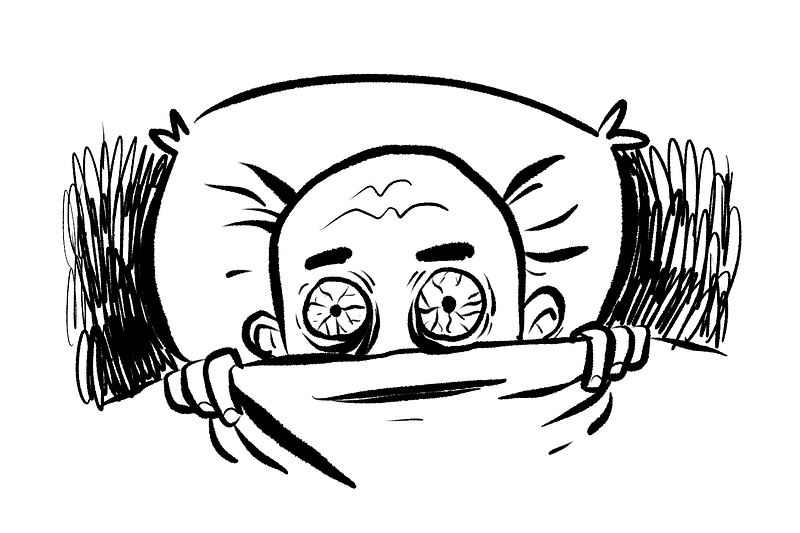
The symptoms of insomnia are awful, and I’ve suffered through most of them. I’ve walked for months at a time in a thick brain fog. I’ve experienced my day unfold in slow motion like I’m peering through a hole from an alternate dimension. I’ve rear-ended vehicles, put milk in my cupboards, cereal in my fridge, and poured beer on my burrito instead of hot sauce. I look back and wonder how clients didn’t fire me, or how I functioned half as well as I did.
I’ve suffered from insomnia since high school. I recall those harrowing weeks when sleep avoided me days at a time. I’d be up all night tossing, turning, and eventually watching sunlight creep through my window. Then it was up for school only to repeat that routine the next day. After 36 hours awake, I’d be lucky to get 3–4 hours of sleep the next night. I was a miserable, incoherent mess. Luckily this ended in my late 20’s, mostly because I fatigued myself daily with 2–3 hours of strenuous exercise.
Fast forward years later, I’m much older with a family. 3-hour workouts are not an option. My day filled with work, stress, honey-do lists, kids, dogs, etc. My insomnia returned, and this time it came prepared for war. On an average night, I logged no more than 2–3 hours of sleep. There were two different weeks when I slept for less than 6 hours the entire week. I got sick on both occasions. Seriously ill, I wished I was dead sick. One of these left me traumatized and with awful lifelong side-effects.
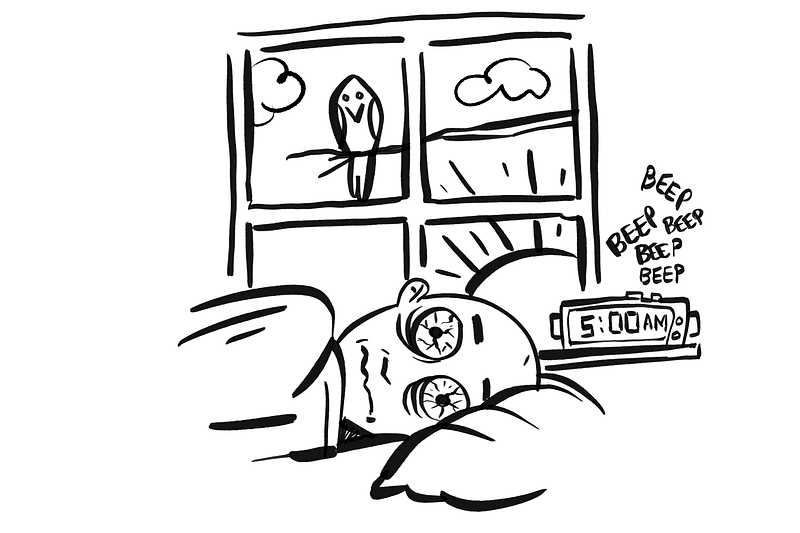
My insomnia was so bad; after screaming into my pillow, I searched, “Can you die from insomnia?” (Turns out you are likelier to get struck by lightning, but it can increase your blood pressure and your risk of death from cardiovascular disease.) I’d discover later, after hours of research trying to find solutions before I went mad, that lack of sleep also compromises your immune system. I experienced that first hand with terrible lifelong effects. I tried supplements, workouts, meditation. Nothing worked. After much research, podcasts, and reading, what finally worked was something called, Good Sleep Hygiene. Here is what I did:
“Sleep hygiene is a variety of different practices and habits that are necessary to have good nighttime sleep quality and full daytime alertness.”—Sleepfoundation.org
1. I reset my rhythm and set my clocks
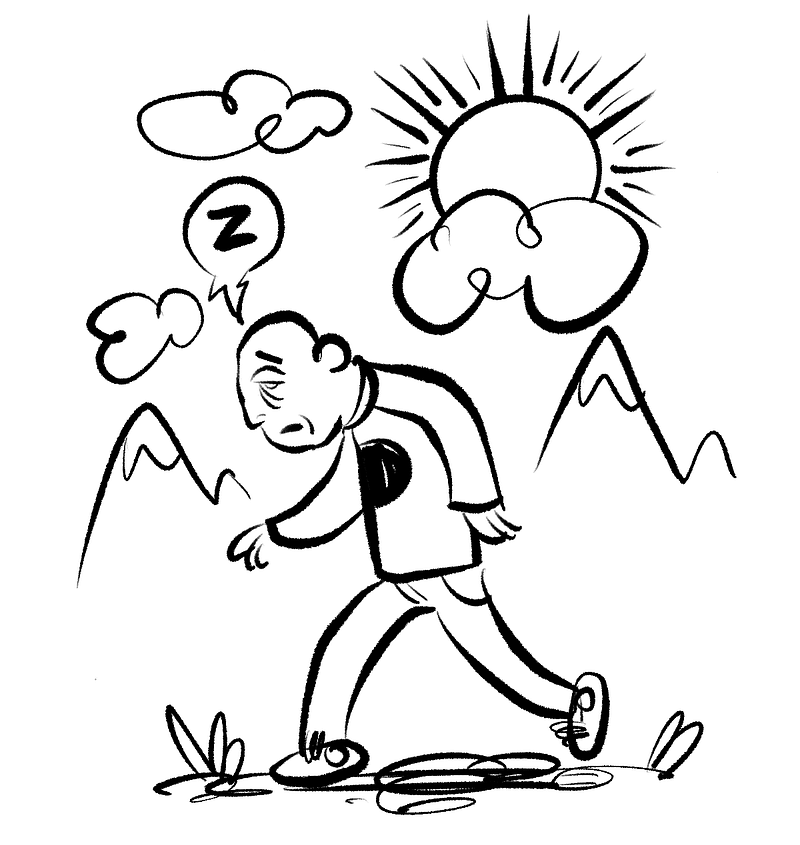
Sleep cycles or circadian rhythm responds to various cues throughout the day. Like the earth, our rhythm has a 24-hour cycle. As it shifts, we feel tired, awake, wired, or sleepy. To begin setting it properly, I set my alarm to wake me at the same time every morning, even if I’ve had a bad night’s rest. Light is a cue that helps establish your circadian rhythm, so I began to take 5-minute morning strolls or opened every window in my home first thing in the morning.
2. I go outside more
Sunlight is vital for both our immune system and our sleep cycle. As insomniacs, sitting all day indoors working, or binge-watching shows isn’t helping our sleep pattern. I work at a desk all day, so I try to make time for at least 15–30 minutes of daily outside activity. This is in addition to my morning routine. Nothing strenuous. A light walk, bike ride, yard work any movement to get me off my butt and outside.
3. I cut the caffeine
Caffeine didn’t impact my sleep, but I wasn’t taking chances. I used to enjoy an afternoon coffee on occasion. I still do, but I always make it decaf now. Consider that coffee isn’t the only thing with caffeine. Sodas, chocolate, and some Teas have it, too.
4. I wind my brain down early
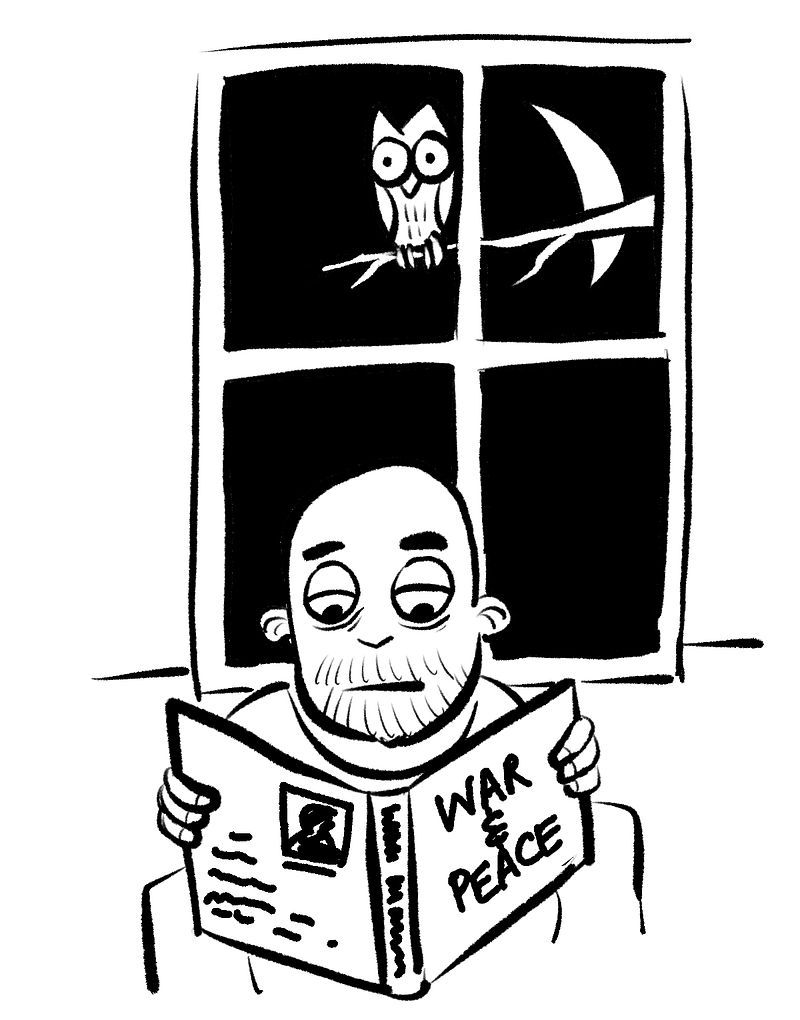
For a lot of us, insomnia comes from worries or an over-active mind. I was always thinking about projects, goals, daily stress, etc. I used to work, play video games, or draw until well past 11 pm. Today, I don’t engage in any activity that requires brain power past 7 pm. I give my mind time to disengage from thinking. Our brain needs to separate our daytime and nighttime actions. For me, daytime now is time for work and projects — evening and nighttime for family and winding down.
5. Kill the lights early
As I said before, our body has a natural clock, which guides our sleep cycle set by external cues. We need to set it for both day and night. If it’s dark outside and every lamp in the house is on, it might throw off our rhythm, prompting us to remain in, ‘wake mode.’ I’ve added a light curfew to my routine. At 8:30 pm, all lights get dimmed or shut off, with no exceptions. That tells my sleep cycle, “Hey dumbass, it’s nighttime, and you’ll need sleep soon.” This curfew includes tablets, laptops, and computers, too. If you can’t put these away for some reason, make sure you set them for night mode to eliminate blue light, which can also throw off your sleep cycle.
6. Activate your sleep mode
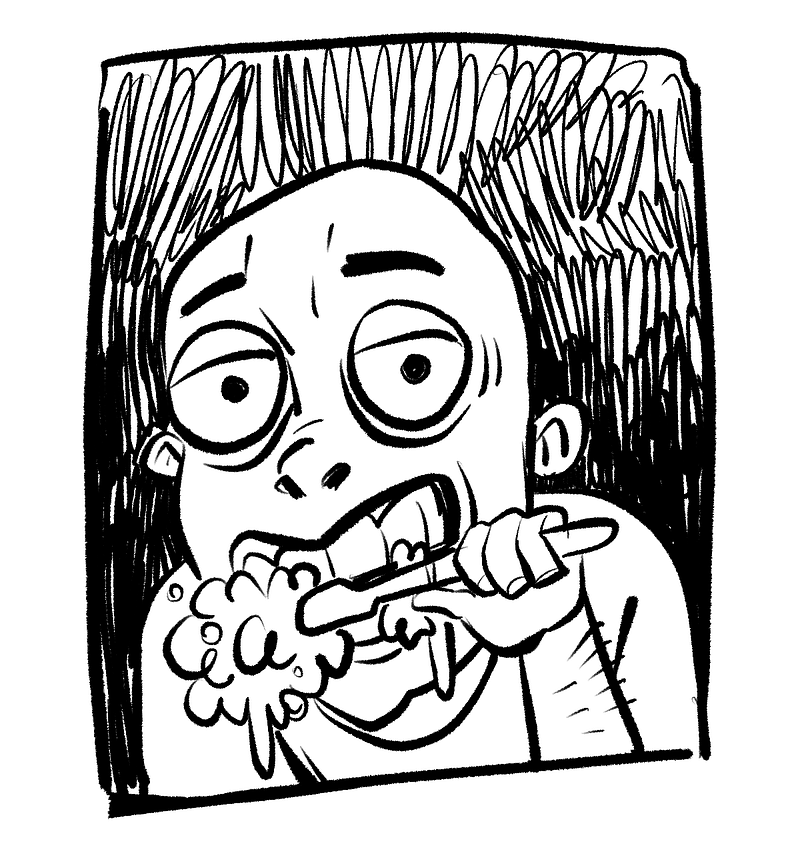
I relaxed my brain earlier; now it’s time to relax my dad-bod and reinforce my sleep routine: I brush my teeth, floss, and do everything I need to before going to bed. In a nutshell, I get ready for bed but don’t go to bed. I do this every day, at the same time, which is usually an hour to an hour and a half before my sleep-time. (Brushing your teeth earlier also curbs late-night snacking which can put you back in ‘wake-mode.’)
When done, I lay on my couch, read, or listen to low-key media. Things like documentaries, biographies, how-tos, relaxing music, etc. Media that isn’t shifting in the volume spectrum from one extreme to another—something even-keeled. Within 20 minutes, I’m nodding off almost without fail, which brings me to number 7.
7. I Go to bed when my body tells me to
Ready for bed in step 6 is crucial, so I don’t break my flow of relaxation. As soon as I feel I’m nodding off, I shut off what I am listening to, put down what I’m reading, etc. and go to bed.
8. My bed is for sleeping and intimacy only
I had to teach my mind that bed is only for sleep and sex. I don’t read, watch T.V. or use a laptop or phone while in bed. This part is important: If I go to bed and can’t sleep, I go back to step 6. Lying in bed trying to force myself to sleep, while tossing, turning, and checking the clock every hour isn’t helping me sleep. It’s only creating anxiety and stress. I’m better off going back to step 6 to see if I can get back into sleep mode before bed. This is called sleep restriction. I’m restricting my time in bed to time spent sleeping.
“Sleep restriction therapy aims to limit the time spent in bed to no more than the actual time spent sleeping and to increase sleep efficiency by prolonging sleep time.”— Sleepfoundation.org
9. I’ve made all this a habit
I turned my bedtime and my morning into a routine. I picked a time for each and stuck with it. I go to bed between 11 pm-12 am and wake up at 7:30 am every day. I’ve found that if I stray from my routine even by an hour, I increase the chance of getting less sleep, or risk being up until dawn.
During my research, I discovered our sleep cycle divides into smaller cycles. Cues and our environment drive or change that cycle. If our body is telling us, “Hey, you’re tired, go to bed,” and we ignore it, we’re shifting our natural rhythm. We’re essentially moving our cycle around. That tired feeling may not come around again for another 3–4 hours. That’s why sometimes we can feel exhausted at night, but once we push past it, we get what most of us call our “second wind. It’s our rhythm shifting back to being awake. Once it shifts to wake-mode, it might not move back to sleep mode for another 3–4 hours. So whatever you designate as your sleep schedule, stick to it. Make it a habit. I sleep well 98 percent of the time now. That 2% failure happens when I break my routine.
Get your Zzzzs on
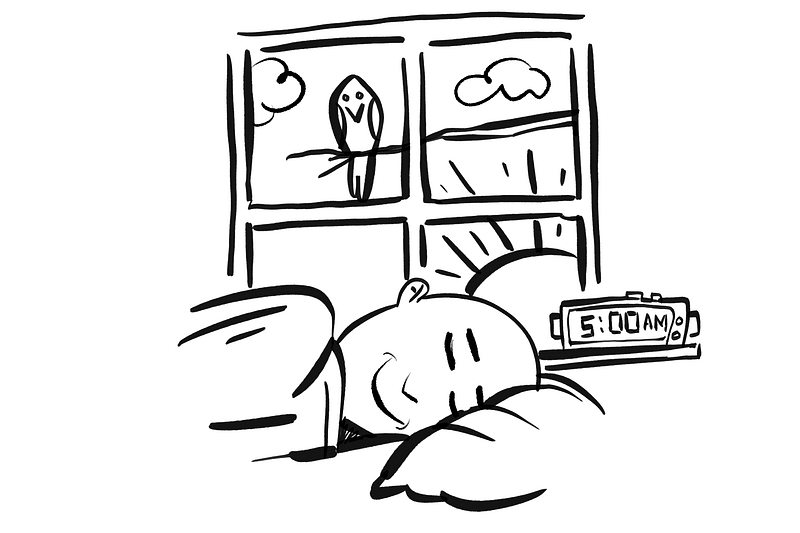
I can’t say what worked for me will work for everyone. There are various forms of insomnia caused by variable factors, some more extreme than others. If you’re like me dying to find a solution that doesn’t involve medication, it’s worth a try. These are simple lifestyle changes that can potentially make a big difference in your quantity and quality of sleep.
Slumber well, my friends.
Some Sources:
https://www.sleepfoundation.org/


