
How I Used Moving as an Excuse to Become More Minimalist
I learned to value the things that are truly important to me by getting rid of the things that aren’t
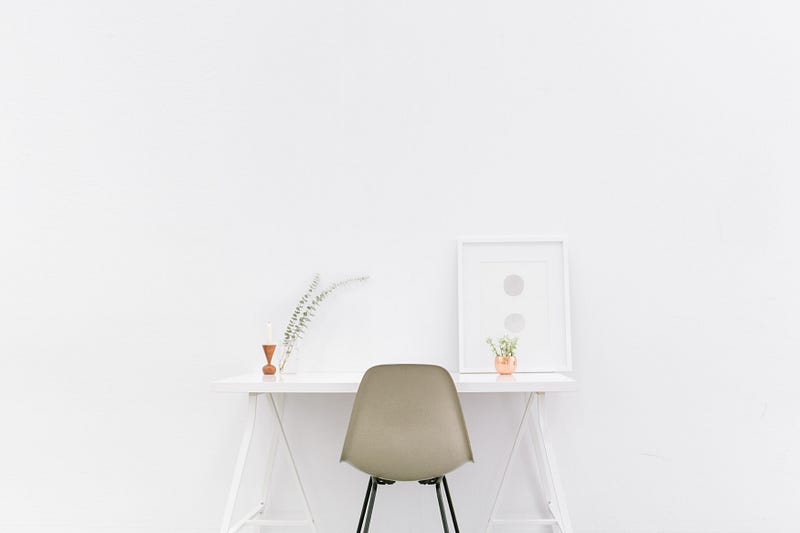
My closet made me sigh every time I opened it. I longed to be the epitome of Pinterest feeds with every item sorted by color and type. In reality, the space was a jumbled mess of storage boxes stacked upon one another because there wasn’t enough space to have a drawer system, or even a decently-sized hamper. Instead, I crammed a small hamper in the corner and bathroom essentials in the other because I live in Seattle, and space is not only a scarcity, but it’s also ridiculously priced.
Now that I’m moving out, I keep asking myself “Why do I still have my college textbooks?” and, “Do I really need this many pairs of woollen socks?” and my absolute favorite, “Why is my pantry so stocked with oatmeal and noodles when I never eat either?” Downsizing my belongings isn’t a burden, but a welcome reprieve from the clutter and items unknowingly weighing down my life.
Before I did so, I have to admit I was reluctant. Wouldn’t I miss some of these items? Wouldn’t I need my extra bedsheets, even though I never used them and continue to only use and launder one set? What about my variety of deodorants? A day later, I can easily say no, I don’t miss my possessions because I don’t remember most of the stuff I donated or threw out. I grew unnecessarily attached to material objects that meant pretty much nothing to me.
And that’s when I finally understood the concept of minimalism. Minimalism isn’t about having less material objects, or making the spaces around you more efficient, but reducing the items in your life that aren’t providing a purpose or value in your daily life. It leaves more room for the things that really matter. In my case, that’s birthday cards that make me laugh and cry, and Polaroids of those closest to me, and my skincare collection (yes, I promise I do use every single product).
For most, minimalism makes us think of Marie Kondo, and the loads of memes from early 2019 about sparking joy. But there’s truth behind the humor. A while ago, many of the items I donated would have made me happy and been in constant use, but times change and so do we.
I understand the critics of minimalism. The socioeconomically disadvantaged can’t throw out items that aren’t in use or they no longer like. Not everyone is going to be able to have the aesthetic walls and perfectly matching furniture. I certainly don’t. But cleaning up my apartment and getting ready for the move taught me that minimalism is not as much of an aesthetic but much more about how you feel. It eliminates decision fatigue from your living space and reprimands you for equating consumption with happiness. My path to minimalism is different from the enticing media about aesthetics. Your items don’t have to be pretty in order to fit the cookie-cutter Instagram feed for decor. They need to be practical, and loved, and that’s okay.
Some of the most successful people in the world practice minimalism without even realizing it. Michael Bloomberg, former New York City Mayor, claims that he owns no more than six pairs of shoes. Marcus Aurelius, a Roman Emperor, was known for his philosophy of Stoicism which supports extreme minimalism. Mark Zuckerberg famously only wears gray t-shirts and jeans, and he claims it helps him stay focused and leave his decisions for what really matters. “I feel like I’m not doing my job if I spend any of my energy on things that are silly or frivolous about my life.” I’m not saying that minimalism will make you successful, but the energy we can save can be put toward finding that extra push to get more tasks done. The bottom line is about efficiency and being in control.
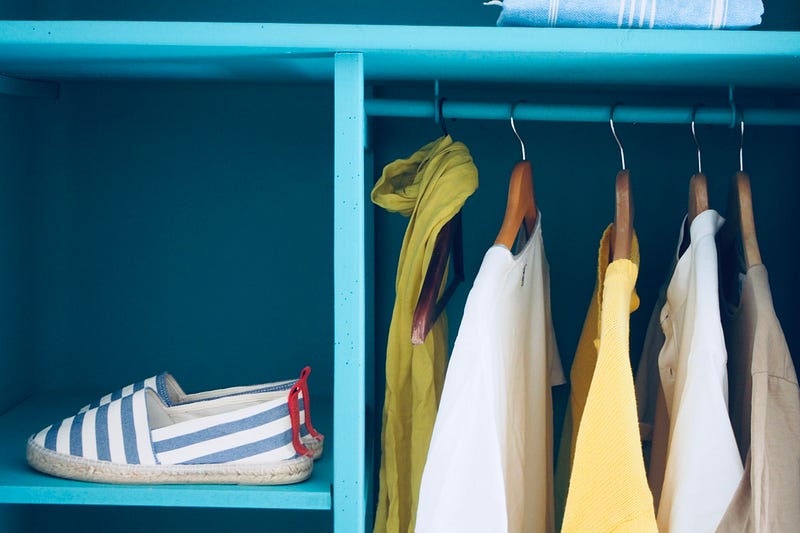
It’s so easy to forget how out of control our lifestyles and living spaces are. There should have been a time that I stopped and thought about how to maximize my small studio. But I didn’t. That’s how I ended up with too many mugs and pens for a single person who doesn’t physically write and drink warm beverages often. It’s common to buy food because we are bored or buy clothes because they’re trendy, but that doesn’t make these purchases particularly useful. I find in the last few days that I’m more critical about any more purchases, not because I’ll have to pack it away in a suitcase, but because I would buy things that had no assigned value in my life. I’m more willing to let my belongings go, even if they had an assigned value, because many are replaceable, and something about that is freeing. I am no longer so attached to items, and it’s made my shoulders lighter and my room cleaner. I had never realized that physical clutter could affect my mental state so much.
For me, it’s a new mindset that feels sustainable, both in the sense of consumerism and my mental state. Minimalism isn’t this perfect lifestyle that will solve your problems for you or make you successful, but it is a tool that gives you more energy for the tasks that matter and more consideration for the things that matter. I feel like I threw out a bunch of items, but added an appreciation for the things and people around me.
A simpler life sounds appealing, because as a graduate student, my professional and academic future feels like chaos, and this newfound mentality is a gift. I can only hope that it will help me focus on my health, my work, and the ones that I love.


