
How I Survived My Mother’s Death
It took courage, Tastykake, and the faith of a stranger
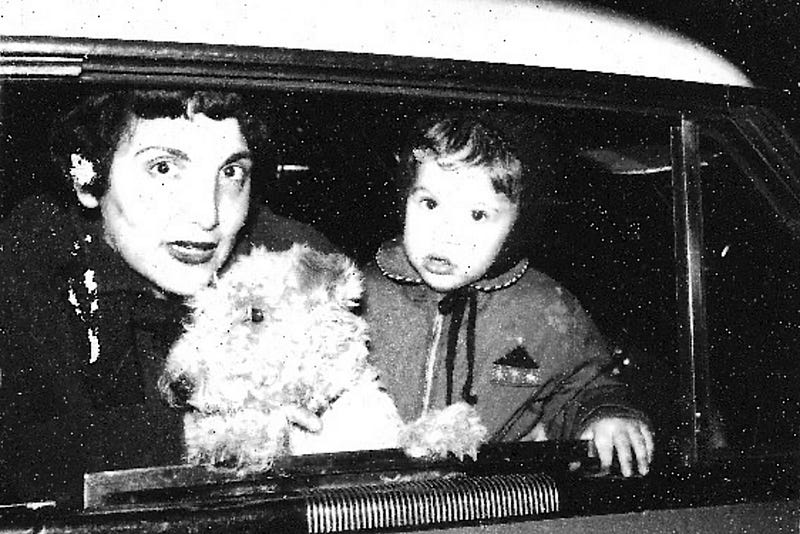
Mom’s second round of chemo was as useless as the first.
The cancer was terminal. Spending another moment hooked up to a bag of poison doing a slow drip into her vein was pointless.
So, she decided to die.
Painful as it was, my brother and I understood her choice. What confounded us was her refusal to allow home hospice care, just as she’d done when my father was dying and I was pressed into service as an emotional wreck of a nurse.
My qualifications?
I was single. I was childless (I prefer child-free). And — the final nail in the coffin — I was a freelancer without a “real” job, according to my mother.
My brother’s life was the inverse of mine: wife, kids, full-time job, lawn. But he visited whenever he could get away. I was ok with that, sort of.
And so, I boarded the train from NYC to Philadelphia and my second tour of duty.
In short order I found myself mired in a familiar stew of heartbreak and high anxiety, with a side of stifling boredom. The icky stuff grew ickier. Getting food into Mom was like feeding a balky toddler. I cried. I spent a lot of time in a fetal position on the sofa, steeping in what shrinks call “anticipatory grief.”
Unlike my mother, I ate a lot of anything. Note: Philadelphia is the home of Tastykake.
It wasn’t until Mom was too ill to make a fuss that we were able to hire someone to help.
That someone was Yvonne.
Yvonne’s voluminous body was barely contained by scrubs accessorized with gold hoop earrings the size of jelly jar tops, jangling bracelets, a necklace with a silver cross caught between her breasts, and a frosted-taffy, pixie-cut wig.
Her first day on the job, she took up residence at the end of the dining room table, the New Testament open in front of her beside a plate of buttered toast. Yvonne hummed as she read, a faint drone of praise interrupted by the toast’s sandpaper rasp when she bit into it. She traced the lines of a psalm with her right index finger, its glue-on nail a blade of purple glitter.
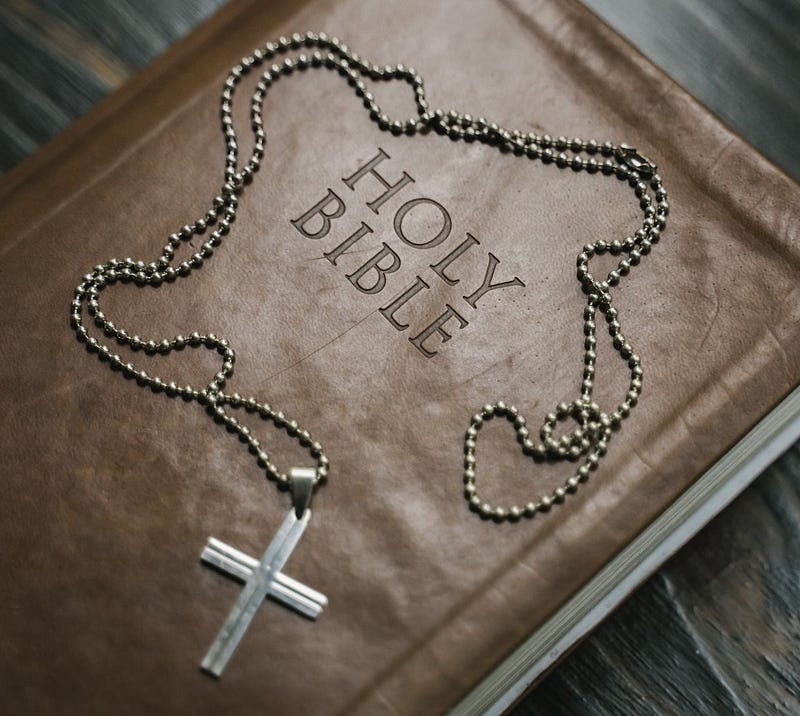
Sometimes Yvonne invited me to join her in prayer. Thanks, I’m good, I’d say. She’d chuckle, unfazed. Whether it was her basic goodness, or because she walked with God, or both, her patience was miraculous, but behind that velvet laugh I figured she considered me a heathen who would rot in hell for my lack of piety.
To be fair, if there were a hell, which there isn’t, I was headed there. I loved my mother, but we could tangle like barbed wire over her expectations of me, so I was ambivalent as, well, hell.
Yvonne, however, was my idea of a divinity: angel and savior, all rolled into one jolly, capable package.
She gently swabbed, sponged, and anointed, familiar tasks that were too distressing for me by then. She joked, cajoled, and possibly did incantations over Mom, who would have rolled her eyes if she’d been able. Like daughter, like mother.
I busied myself doing dishes, phoning people, and shopping for the dwindling list of foods she would eat until she didn’t eat at all. I held my mother’s hand and whispered in her ear as she turned away from the world.
And I pondered the details of Yvonne’s life.
Most of all, I wondered how there was enough of her left for her family after days of attending to the sick and dying, even with the Lord giving her strength.
On the day we didn’t know was Mom’s last, my brother was visiting. While we paid bills, Yvonne went down the hall to the bedroom. She emerged later carrying a jumble of wet, yellow-tinged washcloths and bed linens.
Masha’s all tidy now. You can go right in.
If Yvonne had earned the rank of commander, I was still the keeper of the brown glass bottle of morphine, which I measured out in a dropper and placed under my mother’s tongue several times a day — as close to a holy sacrament as I would ever get. My hands no longer shook, and being able to relieve Mom’s fear and pain was a gift. But it didn’t escape me that I had control over the woman who’d been so controlling of me, which was why I was there dispensing a potentially lethal substance in the first place.
I walked down the hall with the morphine. The bedroom was filled with almost winter twilight, barely any light at all.
My mother lay in bed on her side, breathtaking in her stillness. A rivulet of blood had made its way from her mouth to the sheet, where it pooled next to her familiar yet unrecognizable face.
I didn’t feel the bottle slip from my hand; I must have cried out because my brother was at my side and Yvonne was feeling for a pulse that wasn’t there. She prayed. I ran. My brother called the funeral home.
We didn’t watch the men in black suits zip Mom into a body bag.
Words along the lines of At least she’s out of pain now were exchanged. Yvonne filled out a timesheet and gathered up her cardigan and bible. She gave me a prayer card. I gave her the chenille throw she’d admired and an envelope of extra cash for all her good work. Her hug was deep and generous.
Have a blessed life and remember God loves you, she said and was gone. Two losses in one day.
On the bright side, I no longer needed to be the official keeper of the morphine, so I mixed it with that morning’s coffee grounds and put it in the trash as the CDC tells you to.
I was sure Yvonne would be humming, praying, and tending to the needs of another dying stranger in no time. I couldn’t help but wonder what images she carried with her from all the deathbed scenes she’d witnessed.
As for me, the image I carry is a black-and-white snapshot taken from high above, just me and a cold body on a bed in a dark room. An image that’s extraordinary because the body is my mother, but the scene is as ordinary as life and death.
Many thanks for reading my story. I promise this one is cheerier.


