
How I see the world in 2022
Here is a short summary of everything I have learned over the past 2 years from experience, reading books, and researching.
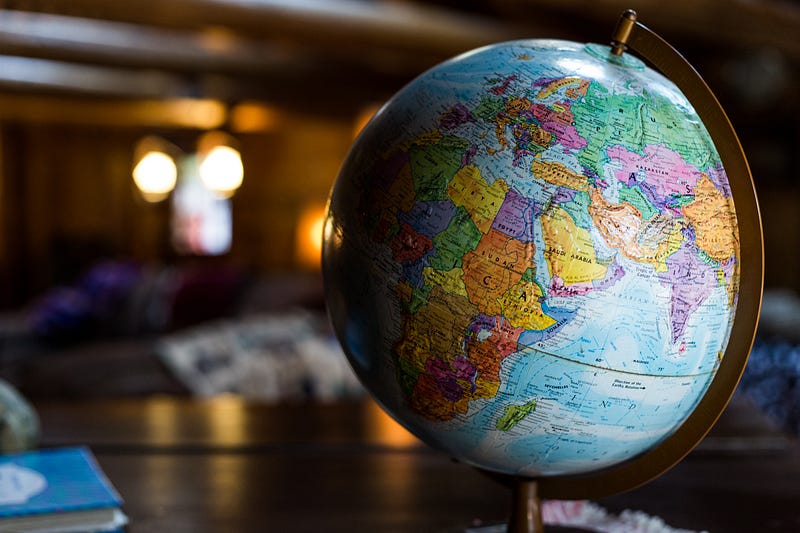
A little background about me, I have been interested in the global markets and investing for about 13 years now. I started reading the Motley fool in high school and continued learning about macroeconomics and the stock market ever since.
Before the start of the pandemic, I was able to spot and capitalize on the world events caused by the virus.
Soon after the pandemic was declared and having made some good investments I fell into the trap of emotions and made some bad investment decisions. This caused me to dig down further and understand what I did wrong.
My mistakes were caused by weak understanding of interest rates, QE (Quantitative Tightening), and how governments respond during major crises.
What I learned (how governments function)
There are two levers that the government pulls. One is to raise interest rates and take money out the system and the other is to lower interest rates and inject money into the system.
Essentially, making money more or less available to everyday citizens through interest rates and overall money circulating in the economy.
During major economic crashes or pandemics, the governments are forced to print a lot of money to support the economy. This injection of money in the system gives a break to those in need, which was much needed during the pandemic. Without the quantitative easing that occurred during the pandemic, we could have been in a much worse situation. However, since the governments all over the world stimulated their economies, we were able to navigate out of the crisis very quickly. In record time actually.
What happens after (Quantitative Tightening)
Unfortunately, there is no such thing as free lunch. Eventually the debt has to be paid back. Since there was now too much money circulating in the economy, everything went up in price. This is called “Inflation”.
Essentially inflation is the difference in price divided by the difference in goods and services sold. What this means is that if there is more demand for the same amount of goods, then prices go up. A basic supply and demand issue.
So what the government needs to do now is to increase supply (very hard) or decrease demand. To decrease demand the government needs to do the things that I mentioned above (increase interest rates or take money out of the system). Increasing interest rates makes people take out less debt and it also increases the payments on the existing debt so people and companies have less free cash to spend. Taking money out of the system also decreases the prices of assets.
The future
From all of the research that I have done, here are some things I see happening in the future.
The war in Europe will be a long and painful one. Potentially the first battle of a big war.
Europe and the Euro will suffer greatly. Europe has a triple crisis right now: 1) High inflation rates
High inflation rates are a problem because Europe is in a time right now where they need to take on more debt. But taking on more debt will furthermore increase inflation. They are in no position to do quantitative tightening to decrease inflation rates. Euro will likely be beyond repair next year and will potentially need to be replaced with a CBDC (Central bank digital currency) sometime within the next 1–3 years.
2) Energy crisis
By relying so heavily on Russian energy, Europe put themselves in a bad position. Because of this they are now finding themselves paying much higher energy prices. They are somewhere around 1–2 years away from replacing Russian energy.
3) Dangers of war
In addition to increasing their spending on energy and high inflation, Europe is also forced to build up their army in order to prevent any further war. This mean additional spending, which means additional printing of money, which means additional inflation.
The Bright Side
While the situation looks bleak, another thing that I learned is that things pass. This too shall pass. Wars typically last 3–5 years and countries are quickly rebuild. The majority of people are left unharmed and unaffected.
Good resources:
- All of the Ray Dalio books.
- The Fourth Turning by William Strauss and Neil Howe.
- Bridgewater Research & Insights
See you in the next one!


