
Memoir stories | Life with Art
How I Relate in an Unusual Way to Claude Monet
From Subhi’s Deep Dive into Art and Music
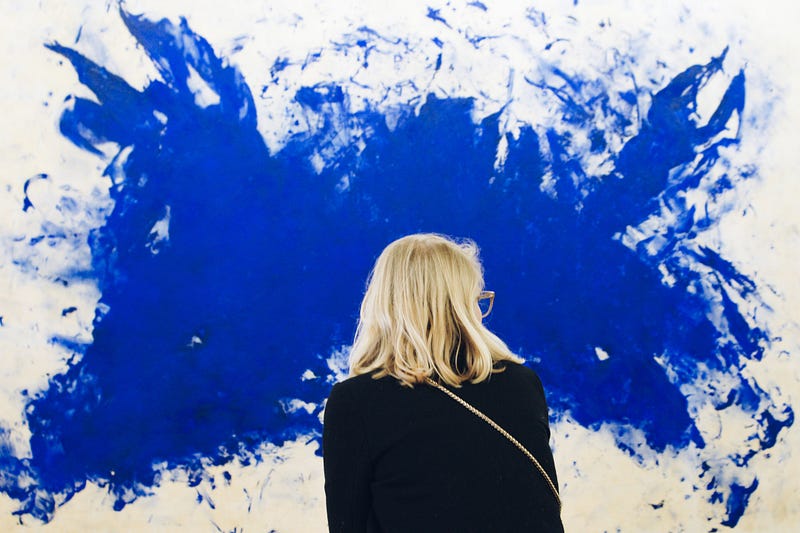
A Deep Dive into Art and Music I wrote about art separately from music since I relate deeply to both subjects. I added my music story and Subhi Najar’s post with the questions, at the end.
These are the art questions
- What is your favorite painting? How do you personally relate to/connect with this picture? It would be great if you could share a picture of it and tell us more about it
This is one of Claude Monet’s paintings of his Garden Pathway at Giverny. It’s my favorite painting — today.
The more I look at Monet’s art, his gardens being the subject of many of his paintings, the more I change my mind and choose a new favorite.
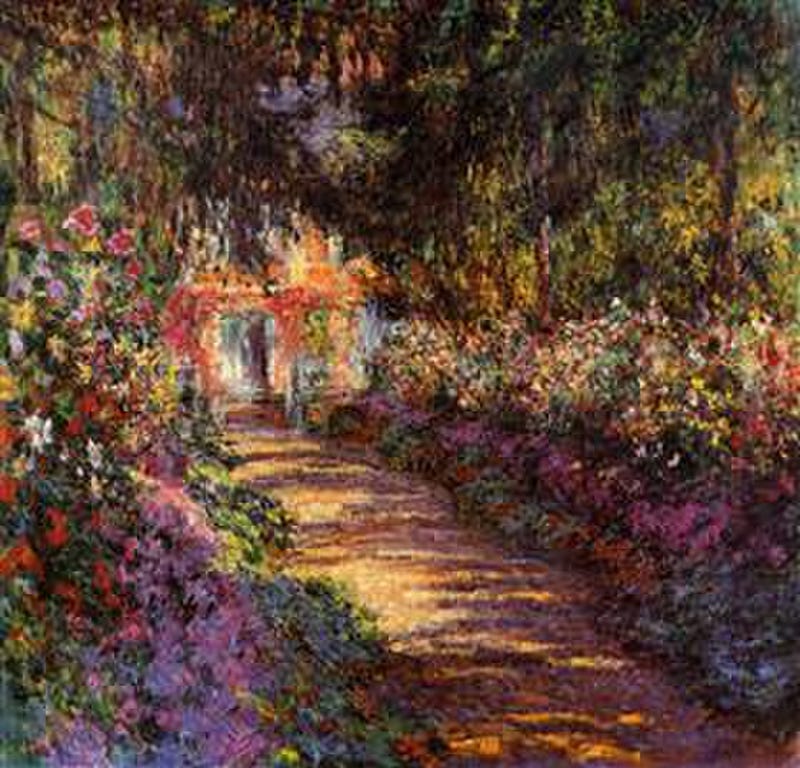
This painting is entitled (on Wikimedia) Pathway in Monet’s Garden at Giverny, painted before 1926.
How do I relate to the painting? and…
Can you write a text of fewer than 50 words explaining your favorite painting (the one in question 1) the way you see it?
I relate to this painting because of my love of impressionist art.
The impressionist style uses color, light, and shadows to capture movement and atmosphere. Short brush strokes are used and detail is up to the viewer.
The aspect of impressionist art I enjoy most is that we are inspired to imagine while looking at the painting.
The Pathway at Giverny sparks me to imagine what the building is about at the end of the garden path.
(That’s not less than 50 words but it is less than 78 words, staying so concise is challenging!)
Who is your favorite painter, and why?
One of my favorite artists is Claude Monet
I relate to the artist in this unusual way:
While researching Claude Monet’s life, I discovered that many of his paintings, mainly his work around the late 1800s and later, were done while his eyesight was deteriorating.
In spite of his vision becoming blurry, he continued to paint, while other artists would have called it quits after finding they were losing their sight. But Monet continued, and many of the works in his Gardens and Lilies series’ were done while he looked at his gardens through cataracts.
Looking at Monet’s Lilies series of paintings, you’ll note that the scenes become more blurred as time passes, with his colors becoming more unrealistic. This is characteristic of vision with cataracts.
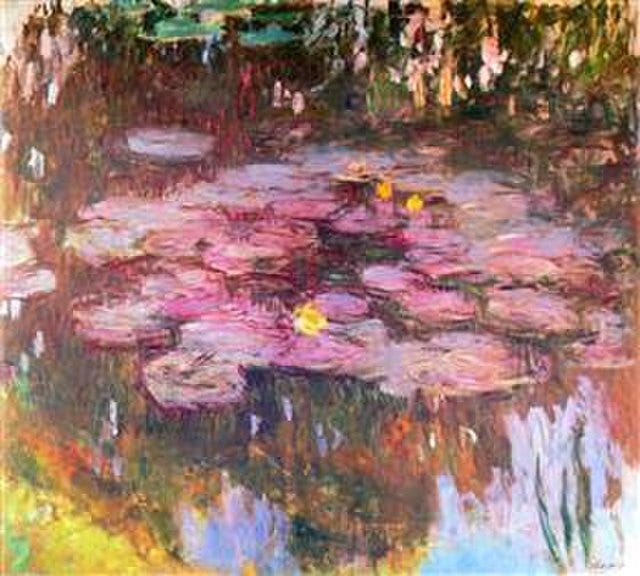
Above is one of his Water Lilies paintings by Claude Monet — 1917
This blurriness and use of color is timely with the impressionist style that Monet was famous for, and I’d speculate it was not coincidental. He did not find out the reason for his blurred vision until 1918 when he contacted his doctor.
In 1923 Monet underwent cataract surgery which improved his vision, but he died in 1926.
Claude Monet was influential in the impressionist movement, which included a group of artists who were challenging the art conventions of the time and were painting using this radical new style of light, shadows, and color to depict movement and atmosphere.
My Music answers in Subhi’s deep dive into Art and Music:
Subhi’s original deep dive into Art and Music
Read more than just 3 stories a month. A Medium subscription is $5/mo. or $50 for the year, and you might be inspired to create your own blog. You may use my referral link below to sign up.


