
How to Rank Medium Articles on Google: A Complete Guide
Learn How to Use SEO to Rank your Medium articles
SEO Magic: How to Rank Your Medium Articles on Google
If you’re writing on Medium, you’re already part of a vibrant community. But did you know that if you rank your Medium articles on Google you can amplify your reach even further? Medium has a strong online presence, making it easier for your articles to rank well in google’s search results. That’s why understanding how to rank your medium article on Google is crucial.

How Google Algorithm Chooses What to Rank
Google ranks Medium articles based on how well they match what people are searching for. It checks if your article really covers the topic it’s supposed to, making sure the information is correct and useful. The clearer and more helpful your article is, the more Google values it. So, if your Medium article answers questions clearly and provides solid information, it’s more likely to show up higher in Google’s search results.
Why Should You Try to Rank Your Medium Article?
Ranking your Medium article on google boosts visibility and credibility. It’s not about vanity; it’s a strategic move that places you as an authority. When your content tops search results, it signals your expertise, attracting readers actively seeking guidance. Beyond just being seen, a high rank on google can open doors to monetization and partnerships, making your article a continual asset.
What is SEO for Medium articles?
You may have heard the term SEO, which stands for Search Engine Optimization. It’s a set of best practices that help your articles rank in Google search results. Think of it as a toolkit for boosting the visibility of your writing. We’ll delve into the key tools in this guide, from keywords to linking strategies.
Keyword Research: Your First Tool in SEO
Keywords are the building blocks of SEO. They’re the phrases and terms people type into search engines. So, how do you find the right keywords for your Medium article?
- Tools for Keyword Research: There are several tools available for keyword research. Google’s Keyword Planner and SEMrush are popular choices. These tools can show you how often a keyword is searched and how competitive it is.
- Choosing the Right Keywords: Look for keywords that are relevant to your article, have a decent search volume, and low competition. These are your “low-hanging fruits” that can help your article rank better.
The Importance of Internal Links: Connecting Your Articles
Internal links are links that go to other articles or profiles on Medium.com.
They serve two main purposes:
- Effective Use of Internal Links: Internal links help guide your reader to more of your content, keeping them engaged longer. This can reduce your bounce rate, a metric Google considers when ranking pages.
- Contextual Analysis: Beyond reader engagement, internal linking helps Google understand the structure of your Medium profile. It tells Google that your articles are related and offer depth on a subject, which can improve your overall SEO.
Make sure you are using internal links from other pieces of content that are relevant, as well as back linking to the article you want to rank.
Crafting Headlines: The Gateway to Your Article’s Success
Your headline is more than just a collection of words; it’s the gateway to your article. A well-crafted headline can make the difference between obscurity and ranking on the first page of Google’s search results.
Here’s how to optimize your headlines for SEO and reader engagement:
- Relevance is Key: A headline should be a promise to the reader, outlining what the article will deliver. Misleading headlines might generate clicks, but they also lead to quick exits, negatively impacting your SEO.
- Invoke Curiosity or Urgency: Use strong action verbs and emotional triggers to make your headline irresistible. For instance, instead of a generic “How to Improve SEO,” opt for something more engaging like Unlock the Secrets to Skyrocketing Your Google Ranking.
- Conciseness Counts: Google usually displays only the first 50–60 characters of a title in search results. Aim to keep your headline within this limit to ensure it’s fully visible.
- Strategic Keyword Placement: Incorporate your target keyword naturally into the headline. It should fit seamlessly and add value, rather than appearing forced or out of place.
By following these guidelines, you’ll craft headlines that not only draw in readers on Medium but also in Google’s search results.
Quality Over Quantity: Why Your Content Matters
You might think that the more you write, the better your chances of ranking your medium article high on Google’s Search Results. But that’s a myth. Google’s algorithms are sophisticated; they prioritize quality over quantity. So, what does quality content look like?
- Your article is well-researched. If you’re writing an informative article, back up your points with data and statistics. Cite your sources to add credibility. I’ve found that articles with credible citations perform better on Medium’s algorithm and also rank higher on Google.
- Your article provides value. Your article should solve a problem, answer a question and satisfy the search intent. The more value you provide, the longer readers will stay on your page, reducing your bounce rate — a factor Google considers when ranking pages.
- Your article is well-structured. Use html markdown h1 and h2 headings, subheadings, and bullet points to break up the text. This makes it easier to read and helps Google understand the content of your page.
- Finally, your writing is original. Plagiarism is a big no-no. Not only will it get you penalized on Medium, but Google will also push your content down in its rankings.
Read more about on-page SEO.
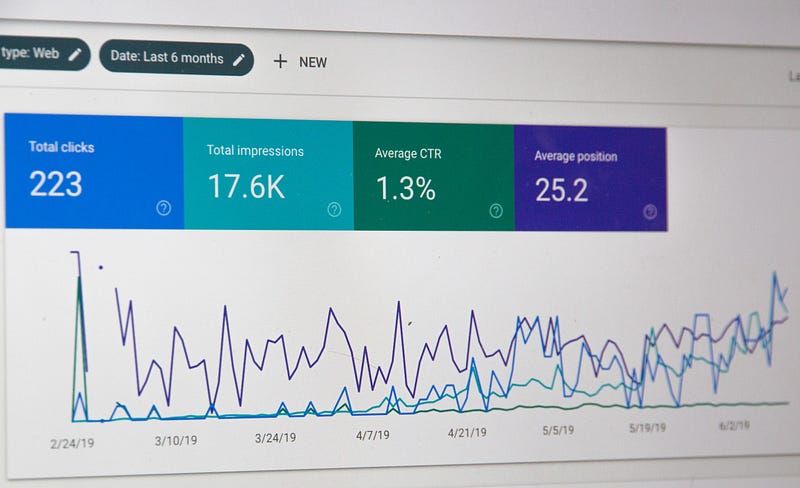
Boosting Your Medium Article’s Rank: The Role of Backlinks and Social Shares
Niche-Specific Backlinks
While Medium’s high domain authority provides an initial boost, backlinks to your Medium article from other reputable domains can further elevate its Google ranking.
Reach out to bloggers in your niche to link to your Medium article, thereby enhancing its topical authority and SEO value. You can also get published in publications that have a custom domain, this will help you rank higher as well. If you’d like to read more about backlinks, you can do so here.
Social Shares as Social Proof
The more your Medium article is shared on social platforms, the higher its perceived value. So be sure to share your article on Twitter, Facebook, LinkedIn, etc. You can also write about your article on other websites yourself.
Google takes this social proof into account when ranking articles. Utilize Medium’s built-in social sharing features to make it easier for readers to share your content. You can read more in-depth about social shares and google here.
Leveraging Medium Publications
Being featured in a well-known Medium publication can significantly boost your article’s backlink portfolio and social shares.
Publications often share articles through their own social media channels, giving your articles on Medium access to a wider audience and improving its Google ranking.

Reader Engagement and SEO:
The Significance of Comments and Claps
Reader engagement, measured through comments and claps on Medium, serves as a strong indicator of your article’s impact.
A highly engaged audience not only boosts your article within the Medium ecosystem but also sends positive signals to Google’s ranking algorithms.
How Engagement Affects Google Ranking
Google’s algorithms are designed to prioritize content that provides value. High levels of engagement on your Medium article — such as numerous comments and claps — can be interpreted by Google as signs of a valuable and authoritative piece, thus improving its ranking.
Encouraging Reader Interaction
To maximize engagement, encourage your readers to leave comments and give claps if they find your article helpful or insightful.
You can do this by ending your article with a call-to-action, asking a question, or inviting readers to share their own experiences.
Monitoring and Responding to Engagement
Don’t just sit back after publishing; actively monitor the comments and respond to your readers.
This not only fosters a sense of community but also keeps the engagement metrics ticking, which can further boost your article’s Google ranking.
Choosing the Right Medium Tags for Discoverability
The Importance of Choosing the Right Tags
Tags are more than just labels; they’re the signposts that guide readers to your article on Medium.
Choosing the right tags can significantly increase your article’s visibility, on both Medium and by ranking on Google.
The Impact of Tags on Google Ranking
While tags primarily affect your article’s discoverability within Medium, they also play a role in SEO.
Google’s algorithms consider tags as part of the content, and well-chosen tags can help your article appear in relevant search queries.
How to Choose Effective Tags
Medium allows you to add up to five tags per article. Make them count. Choose tags that are highly relevant to your article’s content and are likely to be used in search queries.
Think broader categories as well as niche topics that your article addresses.
Avoid Irrelevant or Overused Tags
Avoid the temptation to use popular but irrelevant tags in an attempt to gain more visibility.
This can backfire, leading to lower engagement and, consequently, a lower Google ranking. Stick to tags that genuinely reflect your article’s content.
Read more about choosing the right tags in the guide here by Michelle Steele.
https://readmedium.com/choosing-the-right-medium-tags-58ff6e8a37a3
The Intricacies of Timing: When to Publish Your Medium Article
Why Timing Matters
You might think that once your article is out there, it’s done its job. But let me tell you, the timing of your publication can be a game-changer.
It can affect how many people see your article initially, which in turn influences your rank on Google.
Best Times to Publish on Medium
I’ve found that publishing during weekdays, particularly between Tuesday and Thursday, can maximize visibility.
These are the days when Medium experiences high traffic, increasing the chances of your article being seen and engaged with.
How Timing Affects Google Ranking
When you publish at a time when your target audience is most active, you’re likely to get more immediate engagement — claps, comments, and shares.
This initial burst of activity sends positive signals to Google, which can boost your article’s ranking.
Scheduling Posts for Consistency
Consistency is key. If you’re like me and juggle multiple responsibilities, consider using Medium’s scheduling feature to ensure your articles go live at optimal times.
This not only helps in maintaining a consistent posting schedule but also in optimizing your Google ranking.

Marketing Your Medium Article: Beyond the Publish Button
Leveraging Social Media for Maximum Exposure
After pouring your heart and soul into your Medium article, you’d want it to reach as many people as possible, right?
Social media platforms like Twitter, LinkedIn, and Facebook Groups are your best friends here. Share snippets, quotes, or even the main takeaways from your article to entice your followers to read the full piece.
The Power of Email Newsletters
Don’t underestimate the power of a well-crafted email newsletter. If you’ve built up an email list, this is the perfect time to use it.
A personalized email can give your article the initial boost it needs, and the more people read and engage with it, the higher it’ll rank on Google.
Let’s Rank Your Medium Article on Google!
We’ve navigated the complex landscape of SEO to uncover strategies for ranking your Medium articles on Google. From the nuances of keyword research and crafting compelling headlines to the significance of timing and reader engagement, each element serves as a building block in the grand architecture of SEO.
While ranking Medium articles on Google may seem daunting, the techniques we’ve explored offer a roadmap to success. Remember, SEO is a marathon, not a sprint; the rewards may take time, but they are well worth the effort!
Good luck and drop me a line if you have any questions. I am available to help you rank your medium articles on google.
Thanks for reading!


