
How I Overcame PTSD from Childbirth
My rocky journey
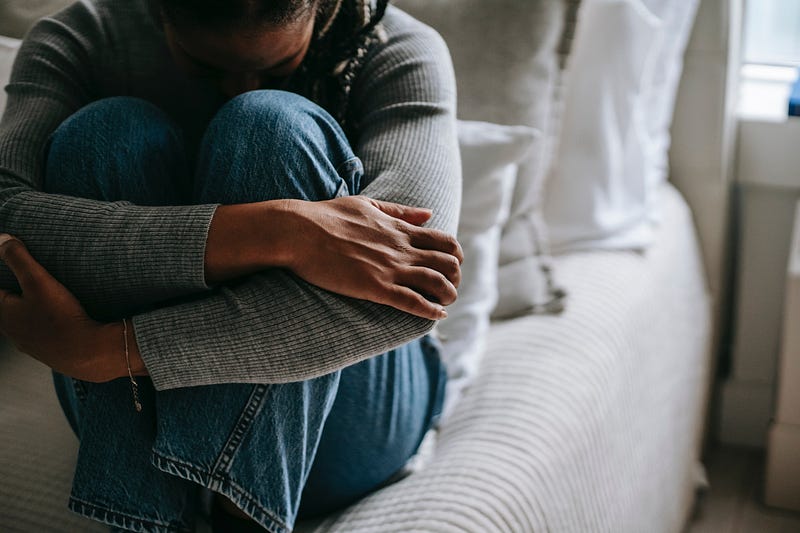
It’s 2 am and I am thrashing in bed, vividly dreaming of strangers surrounding me, grabbing at me while I scream for them to stop. Machines are beeping quickly, bright fluorescent lights are blaring in my face and I’m scared. My baby is then taken away from me. That’s the moment I jolt awake with a racing heart. That will be all the sleep I can have for the night as I prepare for yet another sleepless night, knowing that if I close my eyes again, I’ll relive my daughter’s birth again.
I experienced the same dream every night for months after her birth. I would have times when I would think about the birth and I would feel as though my skin were literally crawling and I would start scratching and hurting myself to make the feeling go away. I would lash out constantly at my husband and there were days when I honestly hated him. Hearing about other birth stories would trigger me with heightened emotions.
These were some of the symptoms of my yet-to-be-diagnosed PTSD.
What is PTSD?
Post-traumatic stress disorder (PTSD) is when you experience a set of emotions or reactions as a result of experiencing or witnessing a traumatic event. It is usually triggered when you feel that your life or safety are in danger. Some of the usual triggers are war, car accidents, assault, natural disasters…and childbirth.
I wasn’t aware that childbirth could cause PTSD. I had heard of postnatal depression (PND), but I didn’t realise that the birth experience itself could trigger a mental health condition.
Many women who feel powerless, abandoned and fearful during the birth or who are injured during the birth can experience PTSD. Up to 1 in 3 women describe their birthing experience as traumatic and approximately 9% of women experience ongoing PTSD.
My childbirth experience
The internet is filled with women’s traumatic stories. From this story about a forceps birth and haemorrhage to a traumatic NICU stay after a difficult birth.
For me, I was induced into labor because I was 10 days past my due date. My labor progressed normally and I got an epidural. However, when it came time to give birth, my daughter couldn’t progress through the birth canal and was in a posterior position.
This is when everything suddenly changed for the worse.
My obstetrician said she would get theatre prepped, attempt a forceps birth there in theatre and if the baby wouldn’t come out, it would be an emergency c-section.
I began to hyperventilate and vomit.
‘Wait! No, I want to talk about this more’, I screamed. ‘Isn’t there another way?’
My baby wasn’t in distress and was actually tracking very well on the monitor so I wanted more time. I had more time and I needed to process this while I could.
‘No, this is the only option,’ my obstetrician said and turned away to call up and arrange theatre.
I turned to my husband but he was gone, taken away by a nurse who asked him to dress up in scrubs to support me in theatre. I needed him there. I needed someone to vouch for me at this point. Instead, I was all alone, helpless and scared on the bed with no one who would listen to me.
Suddenly the doctors and nurses came back and pulled me wheeled me around the hospital from my safe birthing suite to the sterile theatre. I was surrounded by strange faces of theatre staff, none of whom introduced themselves or even acknowledged me.
I felt so helpless and afraid.
Finally, the obstetrician used forceps and pulled the baby from me. She was placed on my chest momentarily so I could get a short look, but after 5 minutes she and my husband were gone.
I was taken to a recovery ward. It was the same ward where people recover from surgery. So I was in a room with people who had knee surgery and open-heart surgery when I should’ve just gone to the maternity ward to recover from childbirth.
I was all alone and all I wanted to do was see the baby I had just birthed. I asked many times, but all I was told was that she was fine and that I would see her soon enough.
But when I went to finally see her hours later, I didn’t feel the rush of love I was expecting after childbirth. I was ashamed of myself. The bond took awhile.
To top it off, after I spoke to my obstetrician about my feelings at my 6-week postpartum appointment, she brushed them off, told me the birth had to occur the way it did and that I was exaggerating.
Most childbirth PTSD stories have a similar theme: lack of support during the birth and sudden unexpected changes during labor.
The problem with childbirth is that women’s feelings are rarely validated. Think about it. One of the common phrases we hear is: ‘it doesn’t matter how the baby is born, so long as they are healthy’. Or, ‘you should be happy. Think of all those women who can’t bring their babies home’. Both phrases were said to me whilst I was in the depth of PPD and PTSD. Neither phrase helped me.
Women go through the biggest physical and emotional event of their lives, feel scared or overwhelmed by it, and then are told to just forget about it.
It is those invalidating phrases that discourage women from seeking support, which exacerbates mental health disorders.
Road to recovery
When my daughter was 4 months old, I was so exhausted from the lack of sleep that I went to see my doctor with the intention to get sleeping pills. When she asked me routine questions about my experience as a new mum, I broke down in tears and told her everything. This began the chain of events that lead to my recovery.
My recovery was as follows:
- Beginning counselling as recommended by my doctor. This goes without saying: anyone who experiences any mental health problems should seek out therapy immediately.
- Getting diagnosed with PTSD. Having a diagnosis is important so that health care professionals know how to treat you. Treatment can include ongoing counselling and even medication, and it varies from case to case. If you don’t get a health assessment, ask for it.
- Writing out my birth story. This is what my counsellor suggested and she sat with me to help me write it all out. Prior to this, I kept reliving it over and over, but my nightmares felt otherworldly and sensationalised. Writing it out helped me to really think about each event as it occurred and who was present at the birth. I remember being in tears as we sat there together.
- Obtaining my birth notes from the hospital and going through the notes with a non-partial health professional. It was really important that I saw a health professional who was experienced in labor and birth, but who had no involvement in my birth to read through my notes and go through them with me. The hospital where I gave birth has a stake in my experience. Someone there could’ve gotten defensive, especially as my last experience talking about my birth experience with my obstetrician involved her trying to shut me down.
- Confronting my obstetrician and hospital about the birth and telling them my point of view and finally getting them to acknowledge that it actually could’ve been handled with more care and support. They officially apologised and my obstetrician agreed that she was gaslighting me at my 6-week appointment as she was overwhelmed when I was emotional about the birth. If you do talk to the people directly involved in your childbirth, I highly recommend coming in with a plan and evidence and having a support person sit in with you.
- Starting a healthy eating and exercise plan to improve my overall energy. Studies have shown that an improved diet, along with social support, can help reduce depression symptoms faster.
I strongly encourage all women to see a trusted doctor, nurse, or midwife after birth and speak out about any negative feelings you may be feeling. Your mental health is important and it doesn’t make you a bad mother.
I am so thankful that my family doctor was there to set everything in motion for me so that I could finally heal.


