
How I Made My First £5 From Dividend Shares
What I’ve learned from personal investments in 2023

This year has been a big one for me financially. It’s the first year I’ve made a concerted effort to increase my investments into the stock market. With interest rates at a recent high in the UK, it’s been a tough call to split my spare income between my investments and savings.
Don’t mistake me for a millionaire, but it strikes me as good financial advice to be both tax-efficient and making my money would for me. That’s why I’ve chosen to invest in both an Individual Savings Account as well as a Lifetime Savings Account. I covered this in a previous article here — the benefits are it’s tax-free to invest up to £20,000 a year and prepares me both for using my investment in the immediate future, as well as for my retirement.
By choosing to invest instead of just using a savings accounts, I’m essentially banking on making more money in the value of my shares going up than getting a fixed return per year from savings. There are two ways for my shares to make me money: the share price increasing from when I purchased it and secondly from dividend paying stocks — the latter is new to me and just earned me £5.
How I’m Investing and What’s In A Fee?
I hold my investments with Hargreaves & Landsdown (not an ad, just being transparent — go do you own research on what works for you — **this isn’t financial advice**). H&L isn’t the cheapest platform for trading, but it is excellent for me on management fees and broad reach of investment options. I invest the majority of my money fee-free into index funds that track the top companies in the world. Buying individual stocks costs £11.95 for 0–9 deals a month, decreasing to £5.95 for 20 or more deals. I’m fairly small time as far as investing goes — so I squarely would sit in the £11.95 a deal price point. Fees need considering when making any purchases, especially for dividend paying stocks. Remember to take the fee charge off your income to put things into perspective. In plain English — for me any trade I make will need to yield at least £11.95 in profit to break even.
When picking individual stocks I’ve looked at companies I consider to be underpriced, and more recently, in solid dividend paying stocks that I think will retain or gain value.
My biggest individual stock gain this year has been via Deliveroo (+53.23%) but they are yet to pay any dividends. I still view Deliveroo as a long time gainer with their share price still way below it’s £3.90 per share original float price in early 2021. Having invested in them for share price, I was also keen to see a company paying out dividends. So I put an investment into Persimmon Homes. In the UK we are currently seeing an increase in business for new home building and will likely see more incentives provided to new accommodation in next few years annual government budget.
Hitting the £5 Milestone
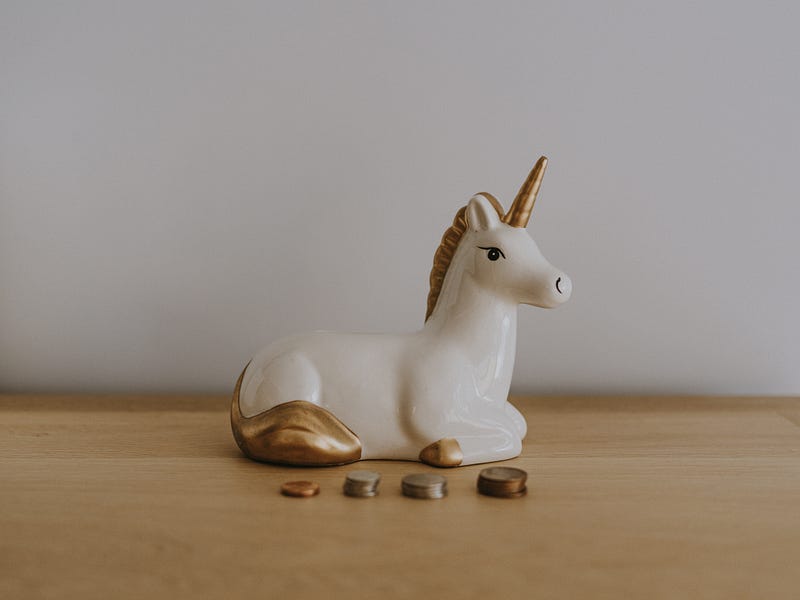
In November I finally received my first dividend payment from Persimmon — a full £5 from my £312.95 investment (fee included). It might seem like a small sum to some, but to me, it symbolised a triumph of commitment, discipline, and a belief in the power of dividend investing. The fact the share price is also up 2.18% bodes well too.
This achievement wasn’t about the amount; it was about proving to myself that even with a modest start, financial growth was possible.
One of the most attractive features of dividend stock investing is the creation of a passive income stream. Passive income refers to money earned with minimal effort on the part of the investor. As dividends are paid out regularly, investors can enjoy a steady income without actively buying or selling stocks. I know in this case Persimmon pays out twice a year, every year, with the spring payment usually being a bit larger. In 2022 my investment would have yielded me around £55 for the year — much higher than this year’s returns.
As a beginner, the concept of passive income is particularly appealing. It offers a taste of financial freedom and flexibility, allowing me to pursue other interests or ventures without relying solely on a traditional 9-to-5 job.
Setting a Modest Goal
Knowing what good looks like is always something that has appealed to me. My aim this year — and I suppose every year going forward — is to get as close as I can to maximising my £20,000 tax free allowance. The majority of this will be spent via index funds with a cost-averaging top up every month.
With just a small amount of capital, I am also carefully selecting a handful of dividend-paying companies. These aren’t flashy, high-risk ventures but rather established businesses with a history of consistent dividend payments. My goal was clear — to earn my first bit of money through these dividend investments and then build up a portfolio where I can expect a payout every month.
Reinvesting for Growth with Compounding Magic
With my dividends rolling in, I have made a strategic decision — to reinvest every penny back into the same dividend-paying stocks. This simple act unleashed the compounding magic that is often the secret behind successful long-term investing.
As my holdings increase, so will my dividends — or at least that’s the theory. The cycle of reinvesting is a self-perpetuating engine, amplifying the growth of my overall portfolio.
With a long investment horizon, dividend stocks provide an effective way to build wealth gradually. The compounding snowball grows larger over time, meaning increased wealth without the need for constant active management.
The Ripple Effect
The beauty of dividend investing lies in its potential for exponential growth. What started as a curiosity to see how it worked has now evolved into a continuous journey of wealth-building. The lessons learned from this experience have become the foundation for expanding my investment portfolio and exploring new opportunities.
Dividend investing isn’t just about making money; it’s about cultivating a mindset of financial responsibility and long-term thinking. So, whether you’re aiming for £5 or a different milestone, remember that every journey begins with a single step, and in the world of dividends, every penny earned is a victory in itself. Whatever decisions you make around your finances, make sure your actions are deliberate and well thought through.
I hope you enjoyed reading this article. This is one in a series of advent challenge articles, to write 24 stories during advent. If you liked it, please consider following me and sharing your own work with me to help build a writing community — happy holidays, Charles x


