ARTIFICIAL INTELLIGENCE & MUSIC
How I Made AI Sing: Using Suno and Hedra to Generate Niche Indie Pop and Emo Polka Songs!
Are we shifting toward a hyper-personalized music industry?
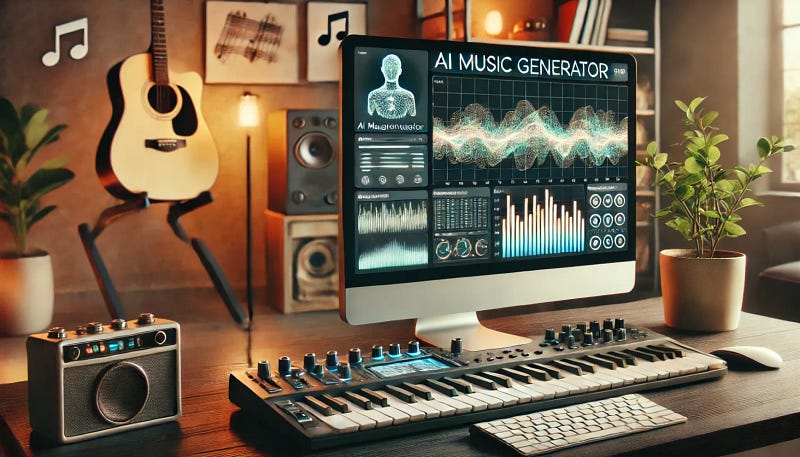
Not content with subsuming writing, videos, and art, AI is now making (sound) waves in music. You’ll have seen the songs popping up on social media today. Maybe you wondered how they’re done? I decided to find out about this fraught new soundscape for myself, and give you a walkthrough.
With the help of Suno, ChatGPT, Midjourney, and Hedra (actually, they did pretty much everything; more on this below), I prompted two niche songs, each with its own distinct style and message. Here’s how it came together:
Starting with Suno
The trip began with Suno, the AI music generator designed for creating lyrics, music, and voice. Suno is meant to democratize music, allowing anyone to generate high-quality songs from a text prompt. Using their AI models Bark (for vocals) and Chirp (for instrumental), Suno turns words into melodies, creating songs at a keystroke. All I needed was the style of music and genre; they prefer you use vibes rather than artists as prompts.
I don’t know how I feel about this whole shebang, but to be honest, most music is overproduced, and characterized by too simple lyrics that often circle back to the same tired themes (other than Tay Tay, of course. Don’t come at me, Swifties). It feels like a constant churn of the same formula.
I’m not alone in this assessment; there’s scientific research to back it up:
Surprisingly, the AI generated lyrics — while sometimes off-kilter — showed a level of complexity and uniqueness that stood out against the backdrop of modern pop, with minimal repetition. They had intricate narratives and language you’d more likely find in a poetry book than on a Billboard chart.
I’ve included the full lyrics below. It’s strange; they feel less manufactured than recent songs. I found myself actually listening to the words, the story.
Niche Songs, Personalized Music
Choosing niche themes wasn’t a random choice. I settled on emo polka and feminist indie pop, asking ChatGPT for unlikely subject matters. We landed on “geriatric pregnancy” and “necrophilia”, which are unheard of in the music scene. At first glance, these themes might raise eyebrows due to their unconventional nature. However, this underscores a key point: the future of content isn’t in mass market appeal; it’s about personalization.
AI in Personalized Music Creation
In my writings, I often explore how the future of content is shifting towards this hyper-personalization, and catering to quirky, even slightly distasteful interests. Traditional media has always aimed to reach the largest possible audience with generally relatable themes. But AI is changing that. With tools like Suno, we can now craft content that speaks directly to niche audiences or explores themes that never make it to mainstream radio.
For example, a song about geriatric pregnancy can deeply touch someone experiencing it, offering them a sense of representation and understanding rarely found in popular media. Similarly, incorporating darker themes like necrophilia in an emo song can captivate an audience that enjoys the gothic and macabre, exploring the limits of what music can convey.
Late Bloomers: Celebrating Geriatric Pregnancy
“Late Bloomers” is a indie ballad about the stigma of geriatric pregnancy. Suno provided lyrics about empowerment and embracing life’s timing:
[Verse] She walks in with a glow not defined by age Breaking all the rules society’s stage A life full of dreams in her forties free She’s not too late she’s just being she
[Verse 2] The world whispers but she stands tall Carrying life with pride through it all Her choice her time it’s her life to make No judging looks no societal stake
[Chorus] Late bloomers bloom too Age is just a number not a truth Forty and beyond holding on strong Geriatric moms where we belong
[Bridge] Dreams had to wait for the right time Now she’s ready and she’s in her prime Years of wisdom guiding her way Geriatric pregnancy here to stay
[Chorus] Late bloomers bloom too Age is just a number not a truth Forty and beyond holding on strong Geriatric moms where we belong
[Outro] Celebrate the moms who took their road In their own rhythm bearing life’s load Every woman’s journey is her own song Geriatric pregnancy makes us strong
Sure, it’s twee and unintentionally hilarious. But there are gems there too:
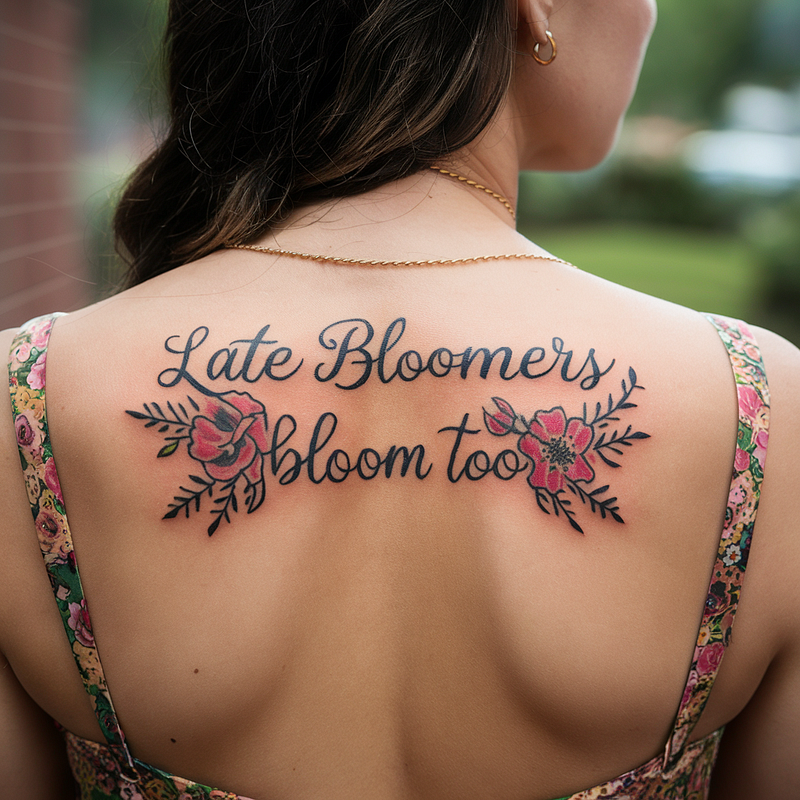
How long until I see “Late bloomers bloom too” as a tattoo? It’s lyrical, and the alliteration and assonance reinforces the musical quality of the words.
What’s So Wrong: Emo Polka with a Dark Twist
I wanted to blend emo polka with some pretty intense Goth themes. Suno didn’t disappoint, delivering lyrics that mix love, death, and societal taboos.
It’s also a total bop (despite the uh, ‘Heathcliff reunites with Cathy’ vibes).
[Verse] Pain and darkness all around In this twisted world I’m bound Searching for a love that’s true But the darkness wants something new
[Verse 2] In the night Where shadows dwell I found a love that I can tell Her pale complexion Cold embrace A love untouched by time and space
[Chorus] What’s so wrong with neck Neck necrophilia? In the darkness Love finds a way What’s so wrong with neck Neck necrophilia? Embrace the darkness Forever we’ll stay
Bringing Characters to Life
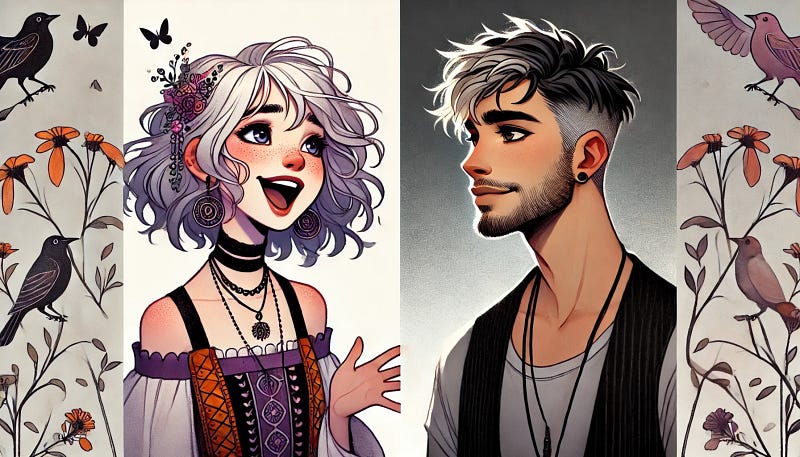
With the songs ready, I turned to ChatGPT to create detailed descriptions of the singers, what they look like. This gave the music a face and personality.
Late Bloomers Singer
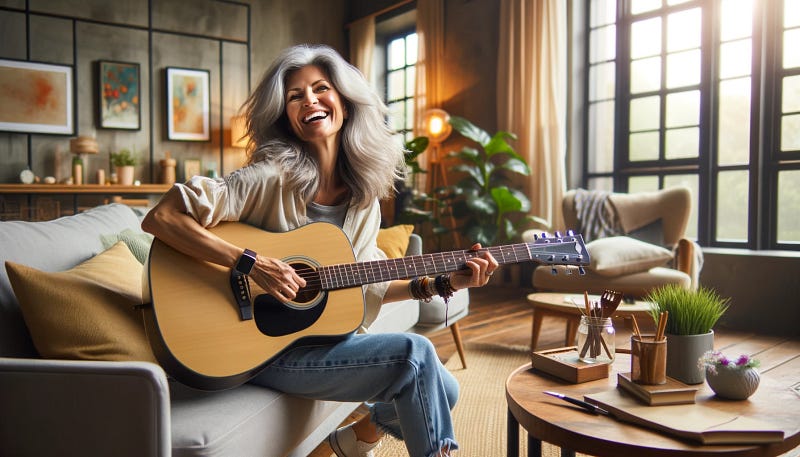
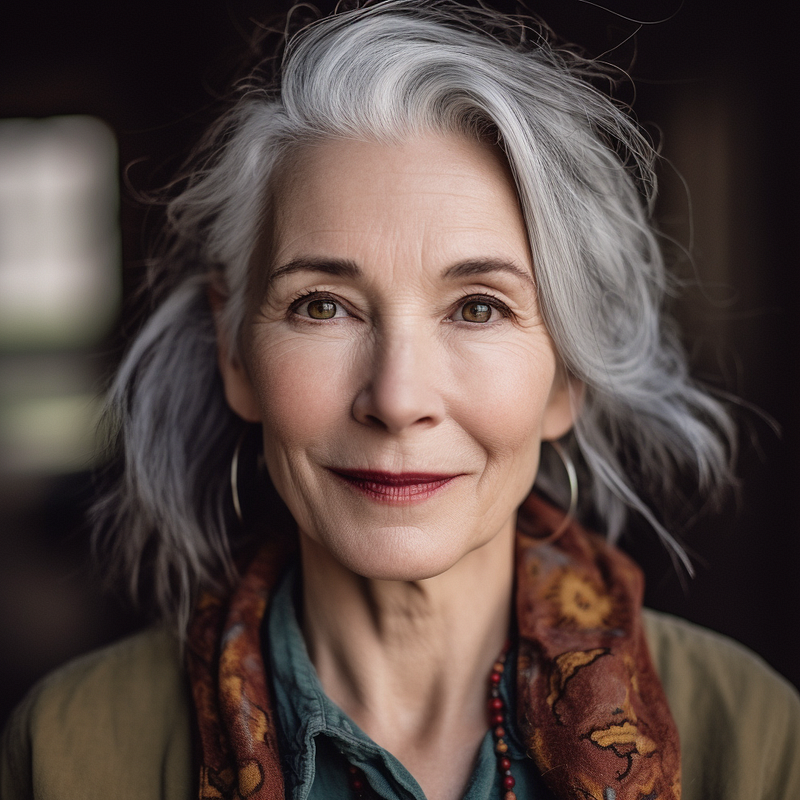
ChatGPT described a female singer who embodies the spirit of “Late Bloomers”: a mature woman who radiates in strength and wisdom:
A whimsical indie pop feminist character with gray hair, embodying a vibrant and confident woman in her forties. She has a radiant glow that defies age and stands tall with pride. The character is full of life and dreams, wearing stylish and modern clothing with a touch of bohemian flair. Her expression is one of joy and empowerment, reflecting her unique journey and strength.
What’s So Wrong Singer
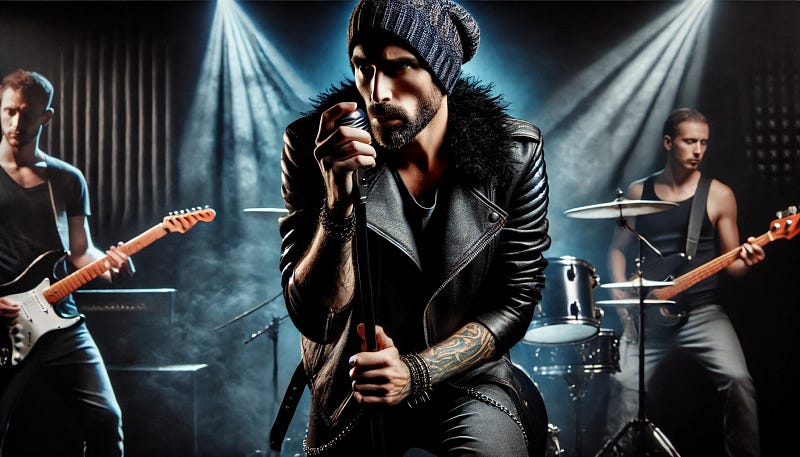
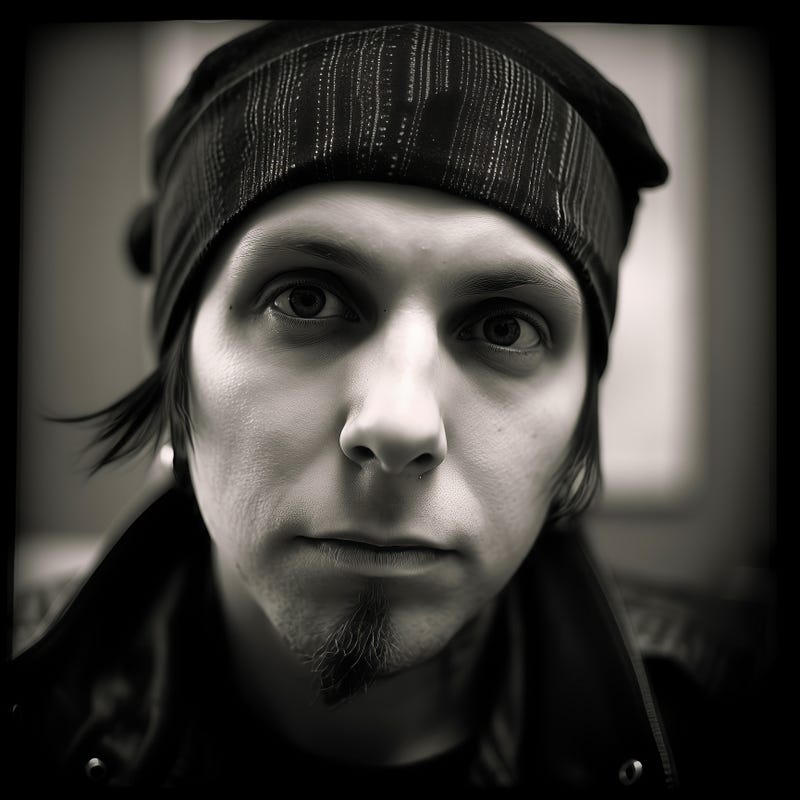
For “What’s So Wrong”, the singer is portrayed as an edgy, gothic figure:
A charismatic ska singer with a subtle goth touch, embodying a unique and intense individual in his thirties. He has a magnetic presence that draws you in, standing out with his distinctive style. He wears a patterned beanie and a leather jacket, adding an edge to his look. His expression is thoughtful and introspective, reflecting deep emotion and a soulful nature. His eyes are piercing, and his goatee adds to his distinctive enigmatic personality.
Visualizing with Midjourney
Next, Midjourney took these descriptions and turned them into stunning visuals. While I’m a fan of the iterative, chat-driven creation of images in ChatGPT, I knew that Dall-E wouldn’t showcase the photographic features needed to show Hedra in the best light. So I reused the descriptions from ChatGPT in Midjourney to create images of the respective music personas:
Animating Avatars with Hedra
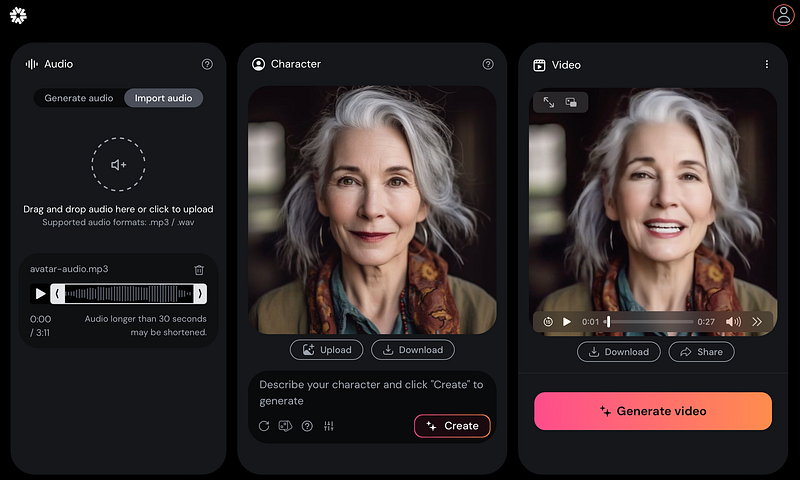
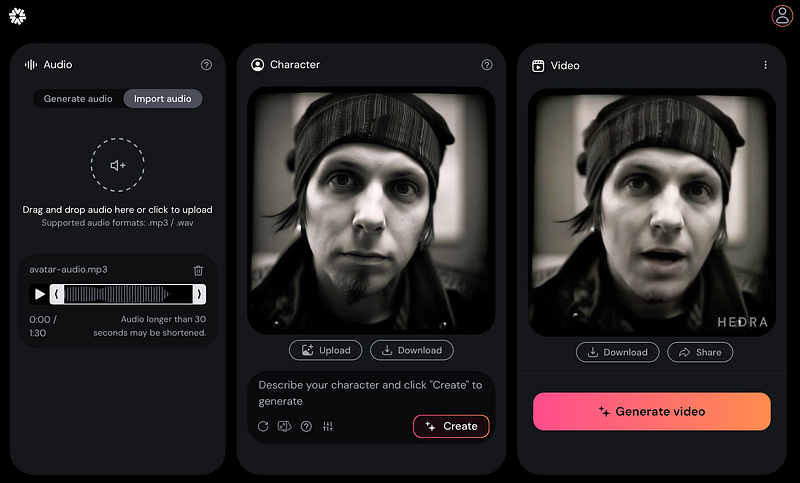
Finally, Hedra brought these images to life, syncing their lip movements with the music and lyrics. Hedra is an AI tool that specializes in animating images to match audio, making it perfect for bringing my AI-generated singers to life. Seeing the avatars move and vocalize was an incredible experience, demonstrating just what AI can do in multimedia projects.
Are We Experiencing The Democratization of Music Production?
It’s amazing that a few years ago — no, even mere months — this type of digital special effect would only be available to high-budget production studios. Now, anyone with an internet connection can create music videos or animated characters that seem almost indistinguishable in quality from those produced by the pros. The Anti-AI Army might decry these AI tools being in the hands of the “untalented” (it’s a slow week when I don’t get a death threat from luddites; as do most of my friends). The fact that we were creating analog art beforehand — and continue to do so — falls on deaf ears.
But it’s worth keeping in mind that most of the mass culture we consume is already crafted in a calculated, mechanized fashion. When big studios use technology to placate us, it’s often invisible — the seamless CGI in movies, the autotune in top 40 hits. But when these same capabilities are used by independent artists, the artifice becomes more apparent, more personal.
For some, that can be confronting, leading to a backlash against its use.
From High-Budget Studios to Anyone with an Internet Connection
This shift is more than just technological; it challenges our perceptions of authenticity and artistry, even our self-worth. When big studios use AI, it’s often invisible — the seamless effects in movies, the autotune in top 40 hits.
Yet now, the technology isn’t hidden behind the curtains; it’s right in your feed, created by someone who might be your neighbor. We start to see the scaffolding that holds up the world of commercial art and realize that the same tools can be wielded by anyone willing to learn them. But instead of rallying against the glitz and polish of the corporate monoliths that decide which elite artists “get” to be successful, we get mad at the experimenters.
The anger is misplaced — and dare I say, manufactured. When professional-level tech is in the hands of indie creators, the magic is shared, distributed and decentralized. It should become a communal experience rather than a mystique manufactured by the few. It should inspire artists to greater heights, because we all have studio-level capabilities at our fingertips.
This is the victory of creativity over consumerism: the barriers to entry are so low that anyone can throw their hat into the ring and be taken seriously.
Changing Consumers to Creative Constructors
I wouldn’t call myself the creator of these pieces. The musical magic happened through collaboration with AI platforms. I do actually write songs; but these were not mine. But I do think we’re making something new and exciting here. It almost felt like a making playlist of impossible songs; you could call up any song you wanted to hear, even if it doesn’t exist. It lacks the true inspiration of music, but something is happening. We are turning into constructors, not just passive consumers, of culture.
We may not be musicians, but AI like Suno and Hedra are letting us become independent listeners, challenging traditions of mass appeal.
As we move ahead, the ability of AI to meet hyper-specific preferences of any individual listener will disrupt how we think about, and make, music.
What happens creating music becomes as common as the ability to choose a song on a streaming service? Is this a remix revolution, or the swan song of the professional music industry? All I know is, I’ll be humming along.
Who is Jim the AI Whisperer?
I’m on a mission to demystify AI and make it accessible for everyone. I’m passionate about the potential of AI and sharing my discoveries with you.
Let’s Connect!
If you’re interested in personal coaching or hiring my services, feel free to contact me. I’m also available for podcasts, interviews, and more. And if you’re keen on supporting my work, check out my Buy Me a Coffee page.


