MY TRAVEL DIARY
How I Learnt to Explore Global Cultures Through Food
Experiences from around the world.
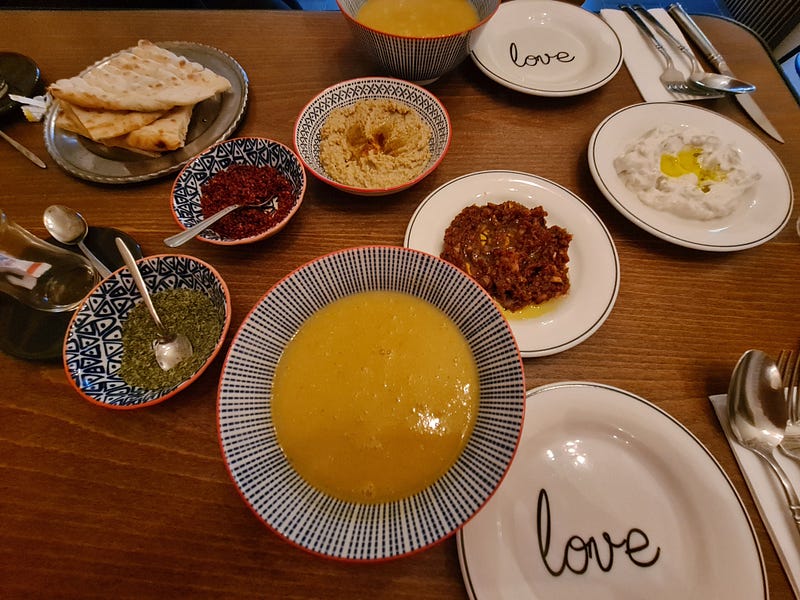
I am not a “food” person. There are those who live to eat. But I’ve always been one of those who eats only to live. If I could get on with the business of living on just love and fresh air, I would do it. So, those who know me well believe a good meal is wasted on me. They would also be equally astounded to see me writing an article on food. But my experiences as a traveler have shown me you can also experience a country through its food. That’s why food fascinates me.
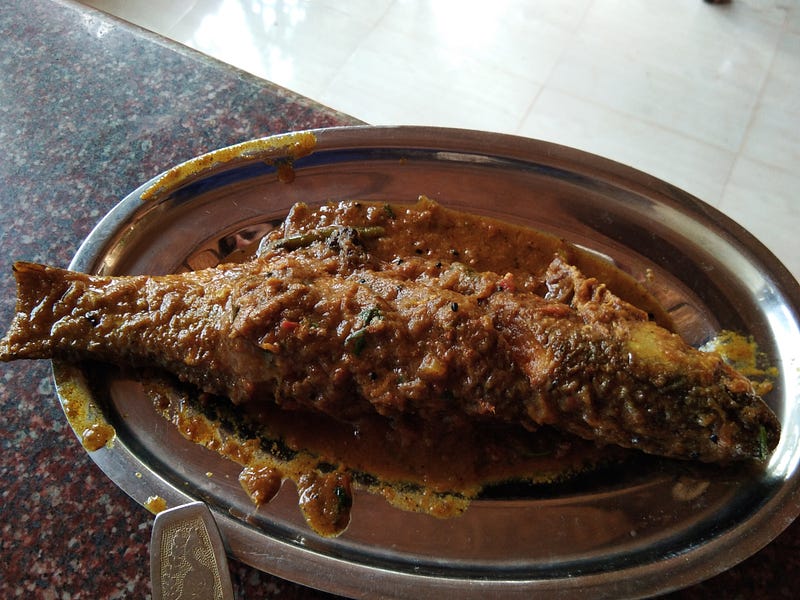
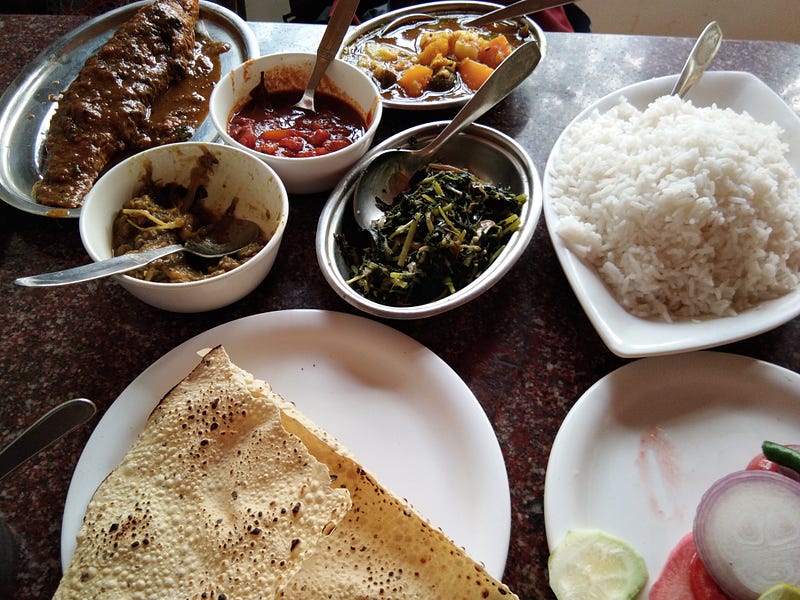
I remember the first time I felt this way. We were in a small village in Orissa, in India. Fish is a part of the staple diet here because it is by Lake Chillika, the second largest brackish water lagoon in the world. When we accepted our hosts’ offer of lunch, they brought out a simple preparation of fish and rice made in the traditional village style. The fish was tangier than in the preparations in the southern part of India, where I had spent most of my life. It was eaten with rice but also served with potato curry, tomato chutney, and spinach, as shown in the picture below. On the extreme left, you will see a piece of papad, which is a crispy condiment usually served along with Indian rice preparations. Similarly, tomatoes, onions, and cucumbers accompany the meal to add flavor. There were elements of the meal that were Indian, but more that were drawn from this part of rural Orissa.
It highlighted the food diversity in India for me. But I also loved the careful arrangement of food on the table. It was typical of Índian hospitality, especially in rural parts of the country. I had to photograph the lunch table, as simple as it was. This became my first food photo. It reflected my newfound realization of how food could be an extension of your experience of a new country. I hope to write more about this in subsequent pieces.
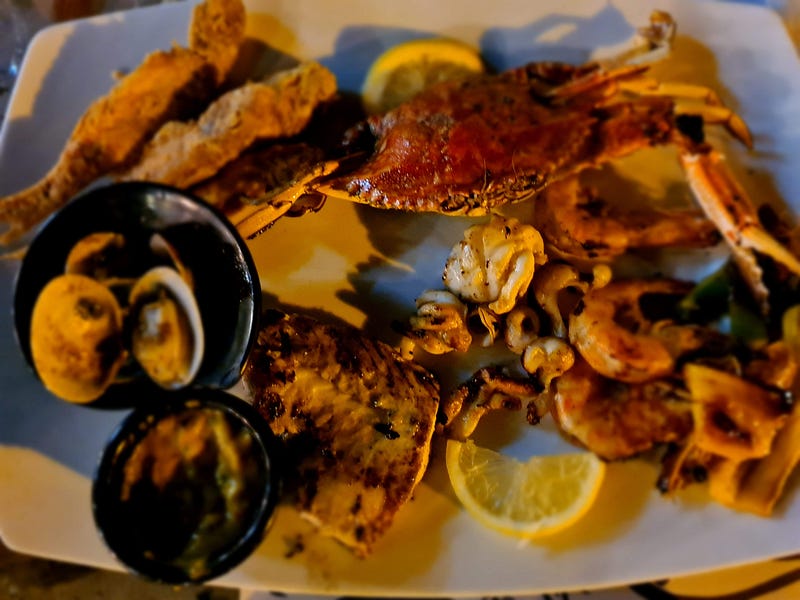
The same feeling returned when I visited a bustling fish market at Heraklion, off the island of Crete in Greece. The sound of the market and the smell of fish were everywhere. But the real extension of the experience came when we sat down in a restaurant and ordered a fish platter. I have visited many fish markets on my travels across four continents. There are differences and similarities. But that moment when you sit down to eat is when a fish market truly comes alive and you become a part of the experience. Our breakfast there is now as integral to my memories of Crete as the town’s beautiful golden harbor in the nearby harbor at Chania.
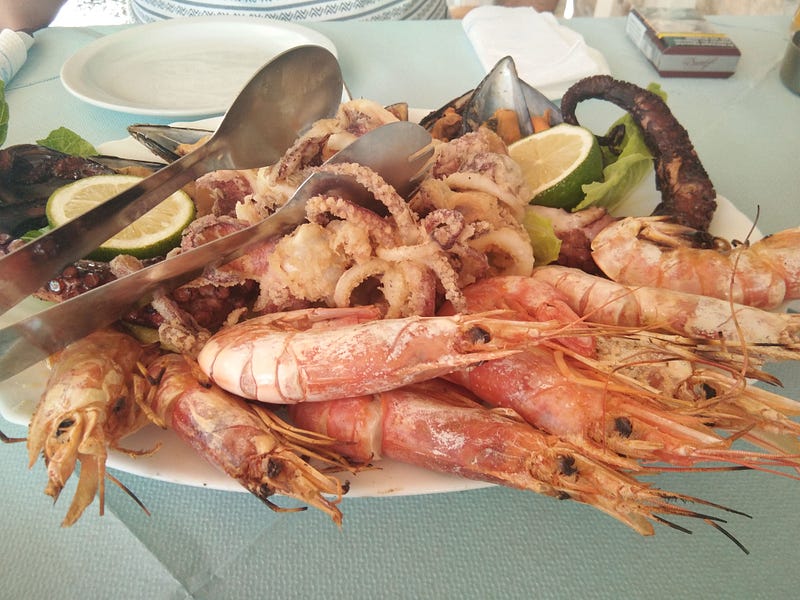
The countries of the Mediterranean have more in common than they know. I experienced this through the region’s food culture when I visited Hurghada, off the Red Sea in Egypt. The food platter served to us at this beach town, which has all the flavors of a laid-back Mediterranean setting, brought back memories of our fish platter at Heraklion, some years ago. Crete and Hurghada may be separated by language and even national boundaries. But the commonalities between their food platters point to an older shared history.
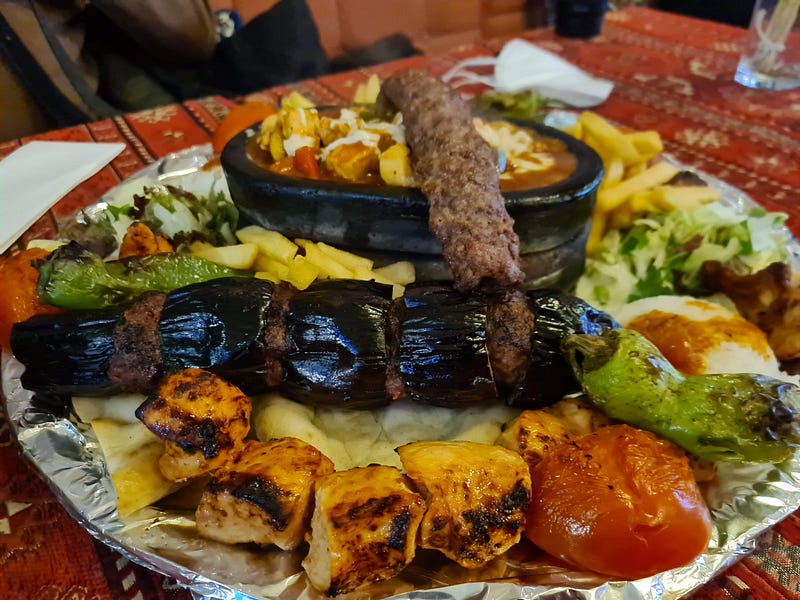
But like we saw in India, even when shared threads join countries, there can be remarkable diversity in the food culture of a single country. Especially when it is an ancient country with a rich, scattered history. Like Turkey. A kebab platter in Turkey stands out for the variety on a single plate. For instance, the Patlıcan kebabı or the aubergine kebab is very different from the Adana kebab. Both of which you see in the picture below. This diversity is possible because each of these kebabs originates in a different part of Turkey. Like the mighty Ottoman and Byzantine empires that preceded it, Turkey remains a confluence of multiple identities. All of these are now brought together under a single national identity. Yet, under the surface, a glorious kaleidoscope remains. I hope to do more posts on this as well.
It is also interesting to see how the food culture in Turkey reflects old ties with countries like Egypt and India. The spice market in Istanbul’s Grand Bazaar is still called the Misir Carsisi, which translates into the Egyptian Bazaar. Equally interesting are the starters in my cover photo. A meal in Turkey often starts with a lentil soup. This is what we call dal in India, and is integral to any Indian meal.
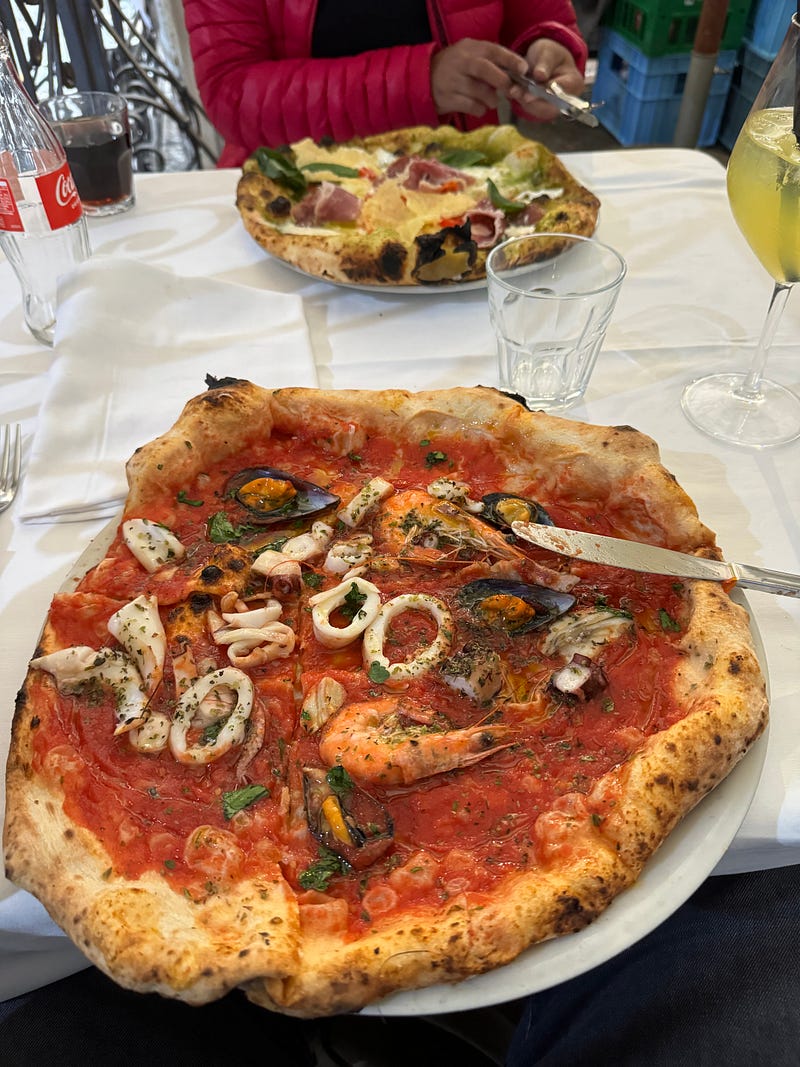
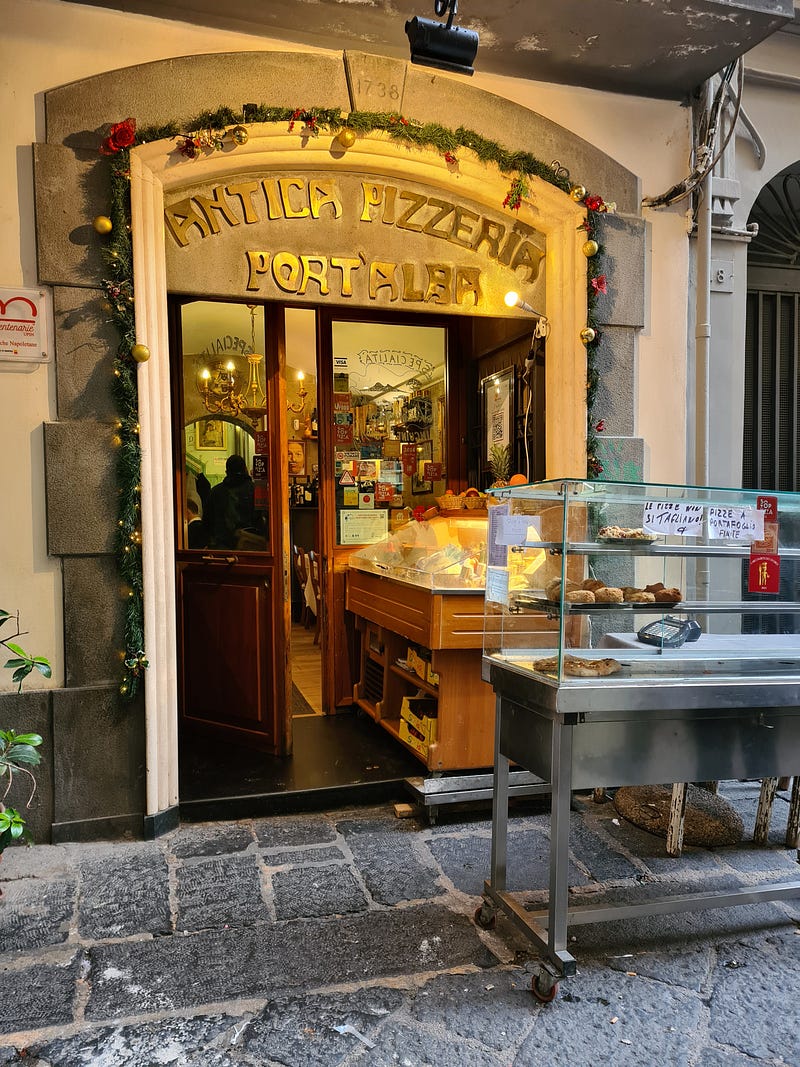
I found this to be true in Italy as well. The world loves lasagna, pasta, and pizza, which all can be traced back to Italy. Yet when one travels through the country one finds a diversity in food traditions. Not all of these have been written about in detail. It’s true, nobody makes pizza like the good people of Naples. That’s why no visit to Naples is complete without stopping by Antica Pizzeria Port’Alba, which is believed to be the world’s oldest pizzeria. The ambiance on the street and within the restaurant is as wonderful as the Antica Pizzeria Port’Alba’s pizzas, which come with amazing variety. In the picture below, you see a gigantic shrimp pizza. I had never tried anything like it till my visit to Naples.
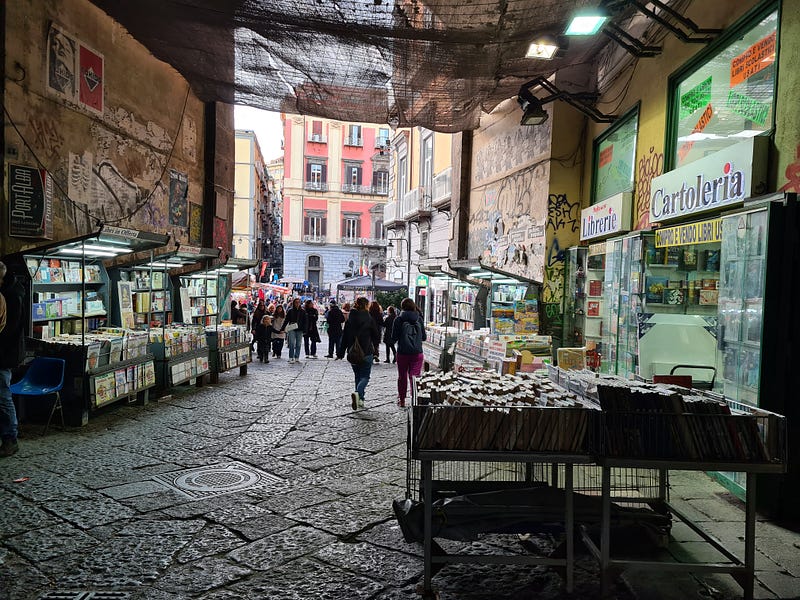
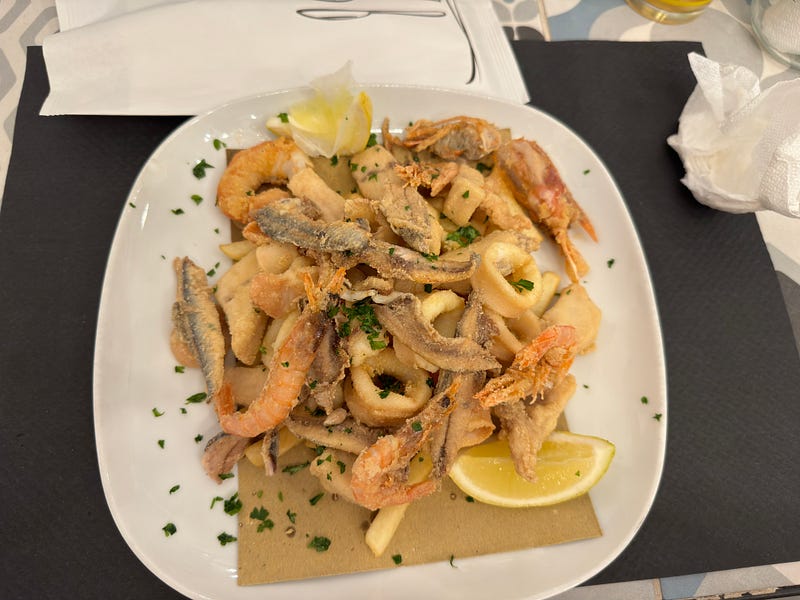
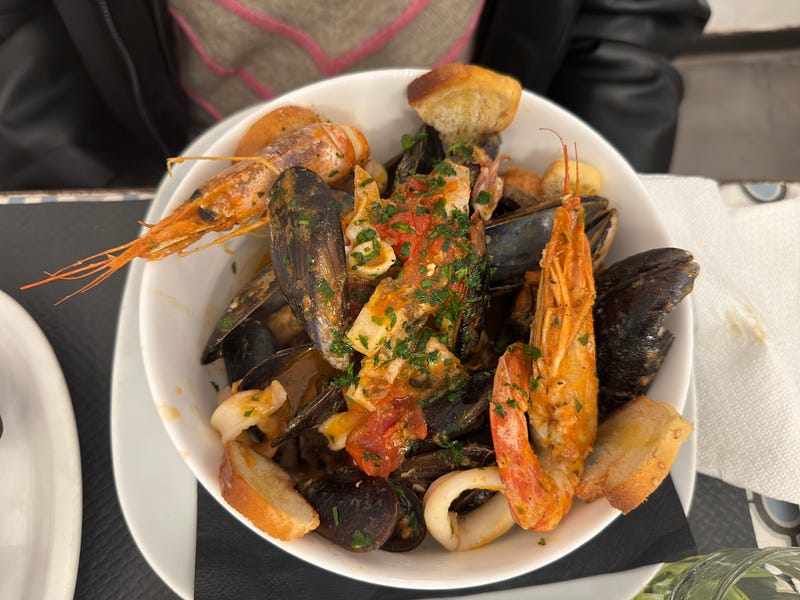
But then, when you move further south to Syracuse in Sicily, pizza takes a backseat. In the pictures below, you see us sampling a shrimp salad and a bowl of mussels. Here, the food tradition like the city’s history is more connected to Crete. Fish and cannoli dominate this city, which was the home of Archimedes, and was a great cultural center for both the ancient Greeks and the Romans. A more nuanced view of Italy’s food culture also puts its history in perspective.
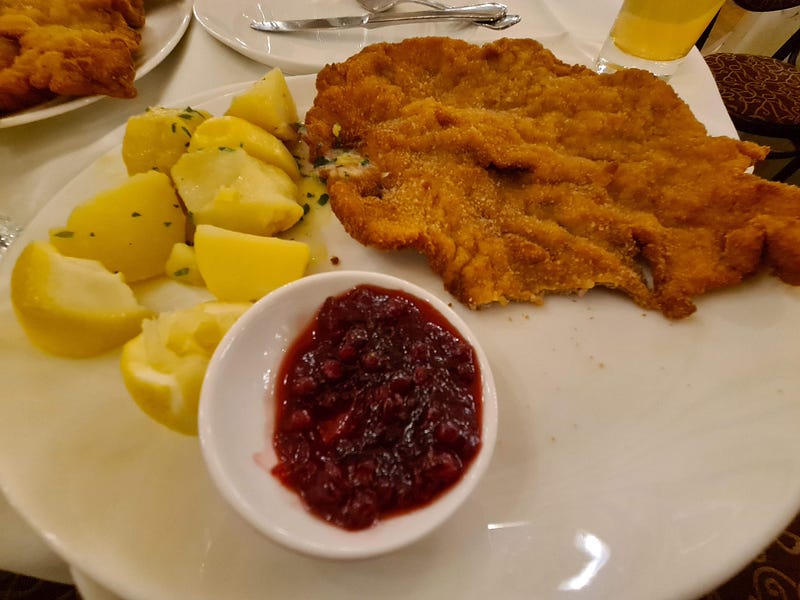
Yet while countries may have varying diversity, some restaurants come to represent a city. Either because of their authentic cuisine or an ambiance that reflects the soul of a city. The Cafe Central in Vienna is one such place, whose guest list of regulars included Sigmund Freud and Leon Trotsky. The Wiener schnitzel or Viennese cutlet served at the Cafe Central has become representative not just of Vienna, but of Austria. It has hotly contested Italian origins but is today considered one of the national dishes in Austria. Interestingly, it is often served with jam, which adds flavor to the dish. It also reflects the great Austrian love for sweet treats.
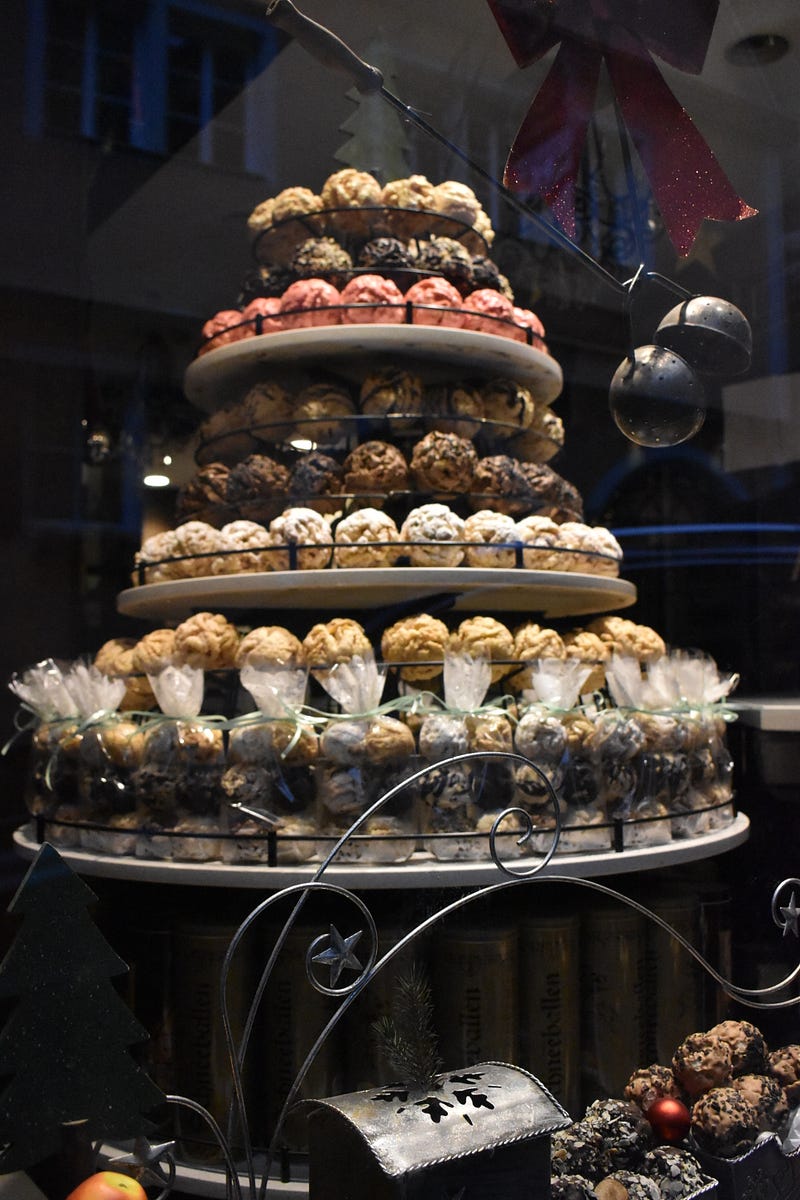
Similarly, the 300-year-old Schneeballen, or snowballs, at Rothenburg ob der Tauber in Germany have become a symbol of the city. This old medieval town, where Christmas is celebrated throughout the year, also throws snowballs into the celebration for good measure. This pastry is best had with coffee when you are visiting the town, and comes with astounding variety. But it’s no longer enough to just visit Rothenburg ob der Tauber. You have to sample its Schneeballen and even carry back some with you. That’s just one of the many ways in which the food created in a place comes to represent the culture of a city.
You can also see more about how food reflects the culture of cities in some of these stories:
JoAnn Ryan takes you to the flavor and history of cannoli, which is now just as much a part of Boston as it is of Sicily.
Melissa Rach tells us about the Po’boy, a New Orleans institution.
TzeLin Sam takes you to the sweet treats that come with the Chinese New Year.