
How I learned to love the people, not the destination.
The pleasant surprise you find in a place where no one understands you, and you don´t need to be understood.
The Trip
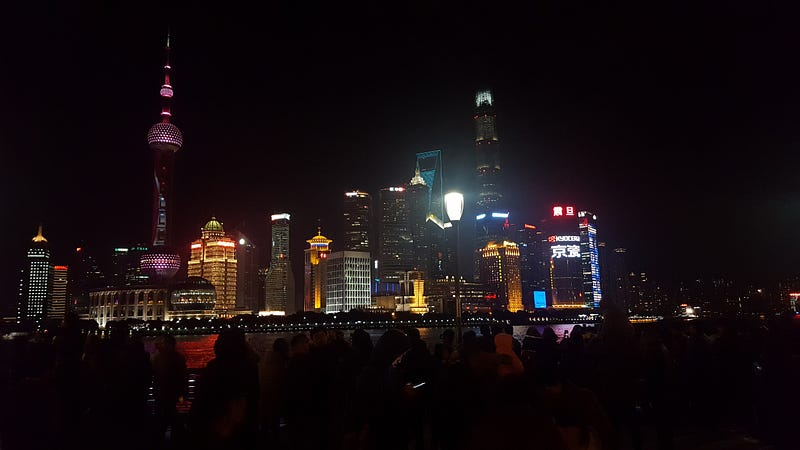
The first time I left my natal continent for a trip was back in 2017. I had left my natal country before (Mexico), but I had never gone to a place where I didn’t speak the language. I grew up speaking English, I was pretty confident about it, but I hadn´t studied Mandarin before I left for my trip, and I was going to be living there for 6 months. I wasn´t sure what to expect, this could go by 2 scenarios:
- People in Shanghai (where I was headed) understand English, so I only needed to emphasize my English and vocalize more.
- People in Shanghai won´t understand me, so I rely only on hand motions and my nonexistent mandarin vocabulary.
My odds weren’t too great, and I knew that the second scenario would happen at any moment during my stay in Shanghai. Turns out, such a scenario appeared in front of me at the moment I arrived in China. The instructions to pick up my luggage were given in Mandarin, so I had to follow the person in front of me to see where I could pick them up. By a miracle, I found the designated luggage belt and continued my journey. The cab ride to my hotel was much easier to find, although I found out later that cab drivers would often abuse of tourists and charge an insane amount of money just to get out of the airport. I guess we all learn better from experience when traveling in a place like this.
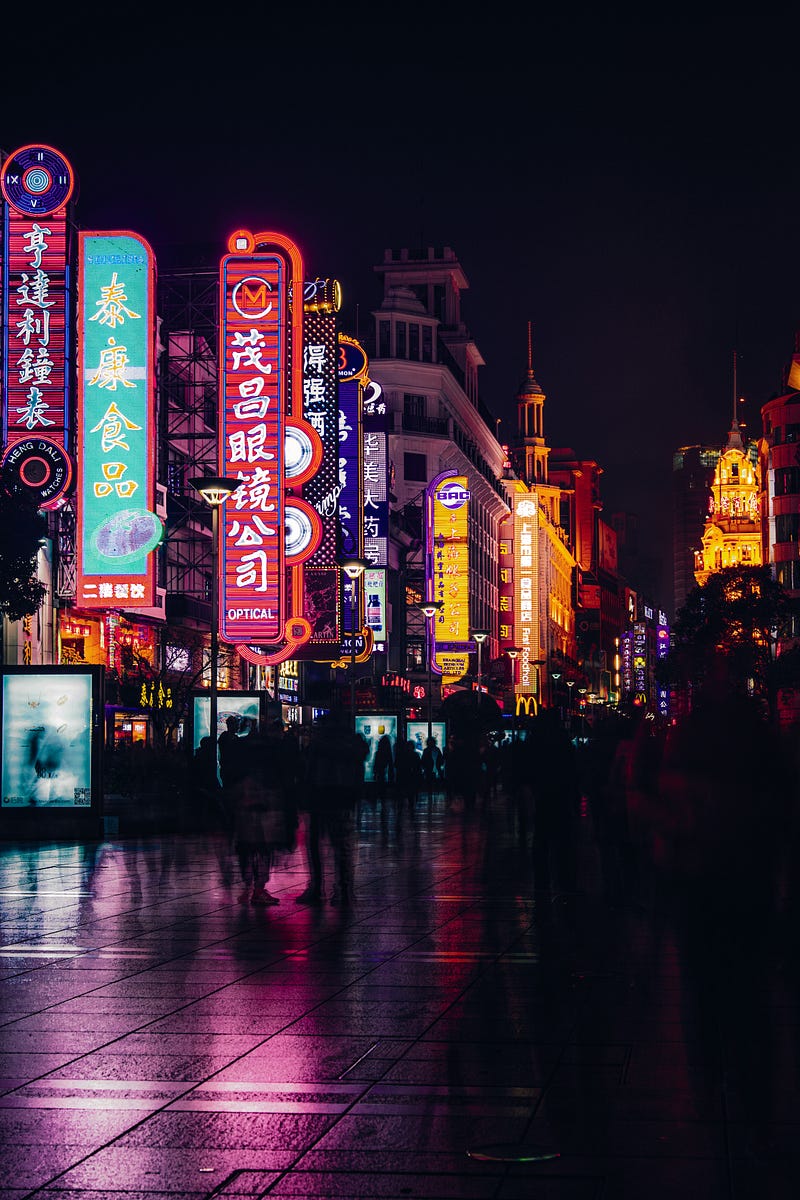
The first month was the most difficult one in terms of communicating. I went to one of the biggest shopping malls in Shanghai, hoping to find a restaurant where I could order without making a scene. I was relieved when I found a place flooded by tourists, so I decided to give it a go. When I sat down, I was surprised to see a menu with no English caption in any of the meals, and no images for me to guide on. I had to google how to say “What is this?” hoping they would make a hand gesture for me to understand. The waitress arrived and I said:
“那是什么?” (What is this? It´s pronounced “na shi shenme”.)
She started laughing and said, “It´s chicken, Ji”. I was so relieved that at least I knew what I was ordering. I said the same phrase in random items of the menu, and she slowly said what it was. I ended up having an incredible meal after only eating McDonald’s after 2 days.
When the months passed, I discovered the best teacher is to just dive in, using that simple phrase I googled when I arrived. When I arrived at a supermarket, I would only ask “What is this?” in Chinese to people around me, and in the majority of cases, they would answer me and teach me new words. A very good friend of mine, who was raised in Shanghai, told me, “They know English, they just don´t have the confidence to give the first step.”, so I figured, what if I gave the first step and build their confidence slowly?
That´s when my experience in China left me speechless.
The Lesson
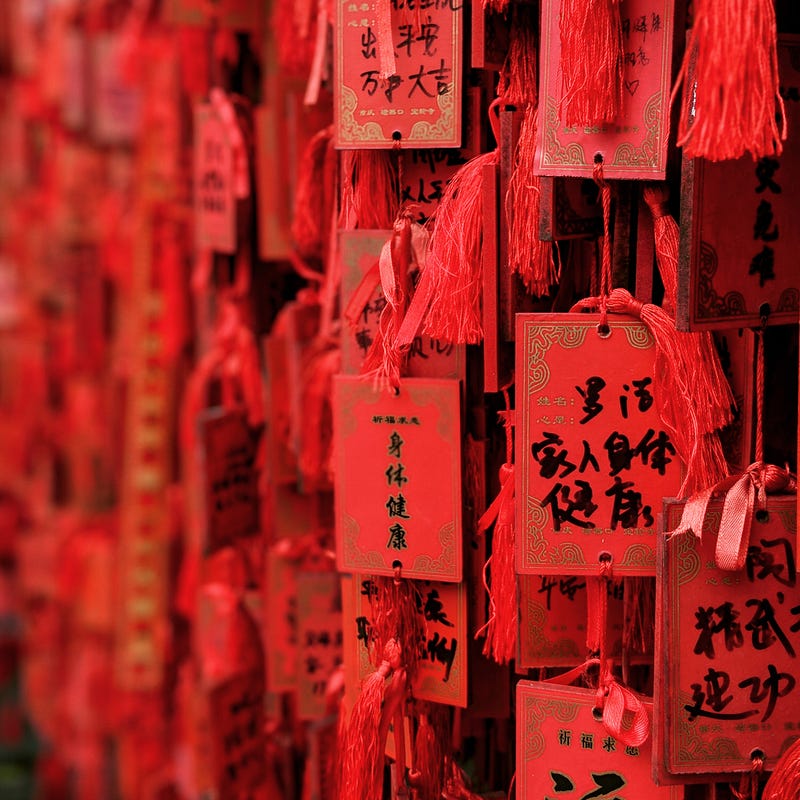
In my overall stay in Shanghai, I learned the majority of my Chinese vocabulary from these small experiences that I had daily, at the coffee shop, supermarket, tourist attractions, and many other places. I would start a conversation from these small words that I knew, and my teacher was the people that surrounded me.
This left me a powerful lesson when it comes to traveling, I fell in love with the people who taught me all of these words and showed me unique views that I may never have had if I´d ever met them. The places I visited left me some knowledge and satisfaction, but the people I encountered while doing so is something I consider priceless. And I accomplished all of this without the use of many words.
I relate to my experience in China, but I am pretty sure this has happened to other travelers, and I want to believe this will happen again in a place in which I don´t speak the language.
The next time you travel, especially someplace you don´t know much, concentrate on the people and the experiences they may give you and you will leave that place with more than you expected at the beginning.