
How I Learned To Accept My Minority Status
Meeting other Asian Americans helped
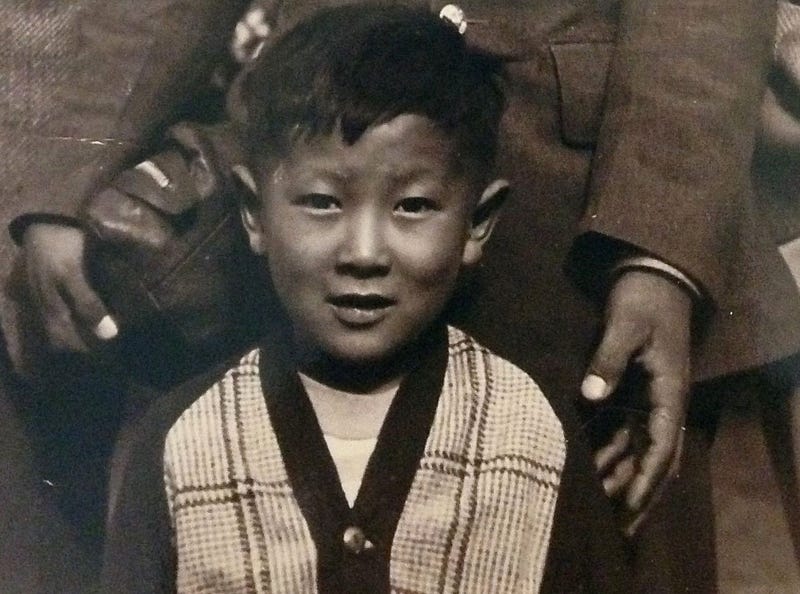
Being an Asian American minority
My life began when my mother gave birth to her seventh child in a farmhouse in Murray, Utah, just south of Salt Lake City. My parents were immigrants from the southern part of Japan. They had lived in various parts of Utah where all their eight children were born. My oldest sister is eighteen years older than me. I have a brother who is four years younger than I am. It has been a good family.
Our family moved to a farm a little further south in the Salt Lake Valley when I was a young child. We were the only minority people in our area. We had a good life although we were far from rich. We all worked hard as we grew up in what was then a rural farming community.
We seldom saw anyone else who was Japanese or Asian outside of our family except for during an occasional shopping trip to the Japan Town portion of Salt Lake City or at a picnic for people of Japanese descent. When I was a young child, my older siblings would sometimes take me to sporting or social events with them which were held by the local chapter of the Japanese American Citizens League (JACL). The JACL is the oldest and largest Asian American civil rights organization in the United States. It was organized in 1929 by young Americans of Japanese heritage who felt they needed a national organization to fight against the racist laws they and their families faced. They had chapters throughout the country and also held social events.
As a child of Asian immigrants, I faced some discrimination and prejudice when I started school. My all white classmates were not used to seeing minority students. I looked different, and they treated me differently. They regularly excluded me at first, but I did not accept that treatment. I put myself out there and acted like I belonged. I experienced racism (although at the time I didn’t know that word or what it means).
I remember being called the J word (which is the first three letters of the word Japanese). That word had been used continuously during World War II and later to depict Japanese people in a derogatory manner. It is considered a racial slur and should never be used just as the N word should not be used to refer to Black people.
It was difficult for people of Japanese heritage to feel good self esteem when they were racially profiled and called names. They suffered belittling and hurtful actions and words against them. Those who lived in areas where they were minorities often faced hardship in their communities. Such experiences caused many to have bad memories for years.
I compensated for the shame I felt for being different by trying to be a good student. I also participated in sports starting in elementary school. My activities and reluctance to take a back seat helped me to become accepted more in junior high and high school. Even though there were only a few of us who were minority students in my high school, we were able to fit in for the most part. There was always some prejudice in spite of mainly being accepted in the white society that prevailed.
Being different and a minority was not easy. There were times that I wished I were white like my classmates. Luckily, there were a few role models in my life, including my older brothers. Another role model who looked like me was Wat Misaka. When I was a child, my family listened to the University of Utah basketball games when Wat was a star. He was the first non-white player in what is now the NBA, having been drafted by the New York Knicks the same year that Jackie Robinson entered major league baseball. Later on in life, Wat became a close friend.
Being able to spend my first college experience at the University of Southern California allowed me to meet more Asian Americans. Then I was able to spend two years in Hawaii where I regularly saw more Asian Americans than I had ever encountered before in one place. It helped me to learn to accept who I was and to be happy with my heritage. I began to like and accept the food and culture which I had previously rejected to some degree.
Over the years I have met many outstanding people who are of the same Asian background that I am. I have seen them accomplish amazing feats which no one before them had achieved. There were many people who were “first” in their field. Knowing them has helped me to realize my own potential and that of other people with Asian backgrounds. Being able to win in some areas and aspects of life also helped.
I have had the privilege of becoming involved with many Asian American groups, both in a volunteer capacity and on the staff of various organizations. It is sometimes nice to be in places where you can be part of the group without sticking out as the only minority.
Meeting and becoming friends with most Asian Americans who have served in Congress during my lifetime has been an honor. Their accomplishments should bring pride to the Asian American community. It helps young people to see that others can attain high positions, and so can they.
Most of my daily interactions outside of my family are still in situations where I am a distinct racial minority with mostly white people. I have usually felt accepted and did not feel that different. People are all alike in many ways. It was difficult as a child being different, but I have learned to appreciate my heritage over the years. It has been an opportunity to work with people of all backgrounds. People are mostly kind and accepting. Everyone has value and should be appreciated.
We cannot change how we were born or the family which we joined. We have to accept who we are and make the best of it. Life can be good and fulfilling for everyone if we work at it and make our life great. We all have a chance for success.