
How I Improved my quality of Sleep with these Simple Steps

Are you someone who is struggling with feeling rested enough despite sleeping for 8 hours or maybe even 10 hours? Sometimes you may be lying in bed but not having to fall asleep as usual.
Here are methods that I have used that have helped me to get enough sleep, feel rested and rejuvenated to tackle on the challenges of tomorrow.
Figuring out your triggers by listening to your body
To figure out your triggers, you have to feel and understand your own physical body. Improving your sleep quality is a habit that you have to consistently build and maintain daily. Achieving and developing a healthy quality of sleep is just like a riding a bicycle, you have to keep cycling if you don’t want to fall. You have to keep practicing these habits daily if you want to achieve good results.
Practice positive self talk and encouragement
Your body is an extension of your mind
Other than physical exercise and proper food nutrition, your mental state also determines your physical health. What you tell yourself during the day and night before you go to sleep affects how well or easily you will sleep. Treating your body well is a lifelong self-learning journey that one has to master.
You can start by giving yourself words of encouragement like:
“You’ll sleep better tonight.”
“Go to bed and sleep.”
“You are at peace and ease and you will sleep well tonight.”
These can help you in ways you never expected to work.
During the day, you can also remind yourself that you have to go to bed early to regulate your own sleeping cycle.
Write down your worries or to-do-list during the day and review it
Writing down your worries and to-do-list during the day can help you combat anxiety and restlessness at night. If you tend to think or mull over your problems once you lie in bed, ensure that you set a daily reminder to complete your tasks. If you have worries or matters bothering you, you can assess and evaluate your problems in the day so that you don’t have to worry about them at night.
Talk to a counsellor if you have a deep mental situation keeping you up at night
If you have recently encountered a traumatic event or you are experiencing a personal issue that is causing you stress, grief, depression or anxiety that you are unable to sleep at night, talking to a therapist or a counsellor can help. You will be able to find many helpful charities, organisations and supportive community groups in your local area. Do not feel afraid to reach out for help as these people are professionally trained to treat such issues.
Don’t go to bed after eating too much or feeling too hungry
It is never a good advice to go to bed after a heavy meal which can give you too much energy for you to fall asleep, neither it is good to go to bed when your stomach is craving food. Both keep you awake at night. Having regular meals is key to a good night’s rest. Your dinner should ideally be at least 3 hours before bedtime.
Remove any sort of distractions
This could be your mobile phones, tablets or computer. In this age, mobile phones are the number 1 reason why people are up all night. If you are having troubles putting away your personal electronic devices at night, you can read my article here which teaches and guides you on how to significantly reduce your screen on time.
Abstain from caffeine, alcohol or nicotine before bedtime
Steer clear from coffee, alcohol or smoking as these types of stimulants will keep you more active, alert and awake throughout the night which defeats the purpose of a good night sleep. These substances can adversely reduce your quality of sleep up to 12 hours.
Be in a comfortable cool room
The ideal room temperature to be in is around 16 degrees celsius to 22 degrees celsius (60–70 fahrenheit). Ensure that it does not go beyond that range or you will feel too hot or too cold. Personally, my ideal room temperature for sleep is 22–23 degrees celsius. This requires some experimentation from you to figure out which room temperature is the most quintessentially comfortable and ideal for you.
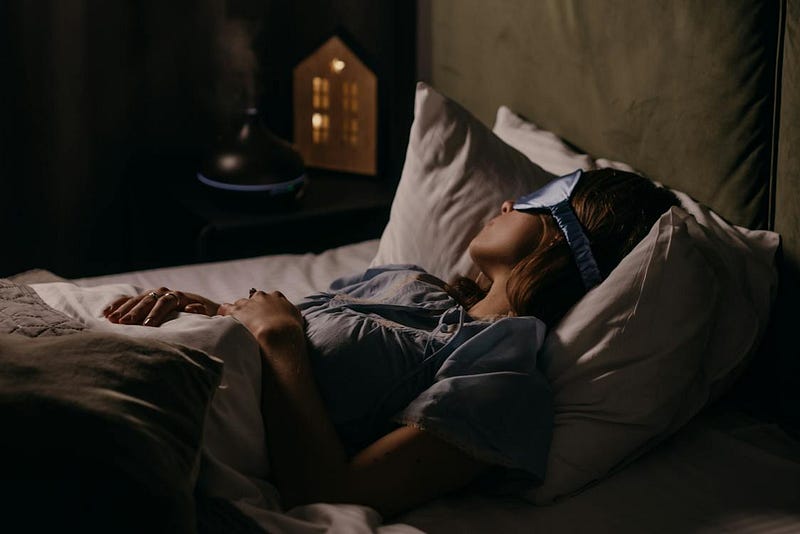
Block out any light and noises
Blocking out any light that could affect your sleep is crucial and essential to a good night’s rest. Having dark coloured curtains or light blocking curtains, blindfold and earplugs could definitely help for a quality and quiet sleep.
Expose yourself to bright sunlight during the day
Exposing yourself to bright sunlight during the day keeps your energised, awake and boost your mood. This also promotes for a better sleep. It could be as short as 20 mins to 30 mins a day, for example having your breakfast or reading the news in the morning by a window where bright sunlight can pass through.
Regulate your sleep with exercise during the day
Experts say that exercising during the day can help solidify your sleep. Similarly, a lack of exercise can hinder your quality of sleep. Exercising has proven to reduce sleeping disorders, stress and cortisol levels and reset your cardiac cycles. Other than keeping you fit, exercising can keep you awake, energised and uplifted during the day. It also boosts the release of Melatonin, a hormone designed regulate your sleep. The more intense the exercise is during the day, the better you will be able to sleep at night. Avoid strenuous physical exercise at least 3 hours before bedtime as it can keep you awake during the night and affect your sleep.
Have a regular sleep schedule and routine
Sleeping at regular timings will build a healthy and restful body clock. Whenever it comes to your designated bedtime, you will naturally feel sleepy and it helps easing into a deep sleep. You can set an alarm clock to start winding down for the day and to prepare for sleep. This can be done by cooling down your body by creating a routinely Zen, peaceful, comfortable, relaxing and quiet atmosphere in your room. For example, you can start by dimming the lights in your room, doing meditation, yoga, or listening to soft calming music or enjoying a relaxing warm cup of soothing tea.
Invest in a comfortable mattress and pillow
Sometimes the problems of a troubled sleep could be because of a deformed bed due to wear and tear or a bed that is not suitable for you. One common way to know if your mattress is the obstacle to your good sleep is if you have developed any back aches, pains or problems. You could also try to touch and feel if there are any deep indents in your mattress as it means that your mattress has lost its original form. Research has proven that a medium firm mattress made of memory foam can alleviate your body aches and nurture better sleep.
These are ways that could truly and greatly improve your sleep in a healthier direction. I hope that you will be able to fall asleep better with these habits practiced daily. You can save this link in your notes for your easier reference.