
How I got Started Bartending.
And maybe how you can too.
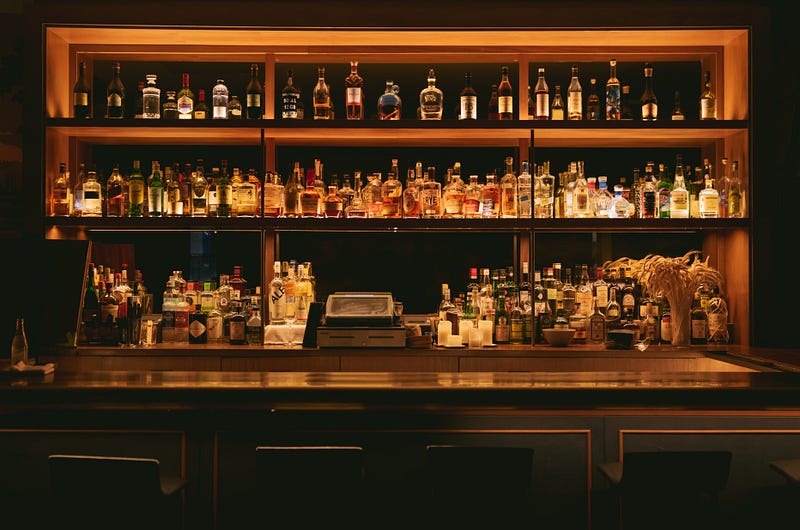
I promised to tell you all this story, so here we go.
Let’s go back to 2021.
I was working a very comfy remote job, it was the start of the holiday season (beginning of November), and I was going to my local bar pretty often.
I was also living with family members at the time, not dealing with many responsibilities — life was kind of peachy back then.
At this bar, I ended up having various conversations with one of the owners — I thought he was a bartender, but soon after, I found out he was part owner.
We got along great — he was nice and was fond of my group of friends because we were good customers. We never caused trouble and helped contribute to a good atmosphere.
After several weeks of going to this bar, two weeks before Christmas, he asked if I would be interested in bartending.
I was shocked, to say the least.
The last time I remember working anything close to a service job was back when I was a sophomore in college when I worked at a sandwich shop.
I was also intimidated because I would deal with customers in a completely different environment and dynamic.
Add on top of this the fact that bartending is an art — I had no idea how to mix liquors, pour them, or present a cocktail — I knew absolutely nothing.
I made him well aware of my lack of experience but was willing to learn.
He said, ‘say no more,’ and a week later, I was training.
Fast forward a few months, maybe three, and I become the bartender with the most shifts.
Here are the traits that I believe set me apart from the rest and allowed me to make a lot of money.
The obvious but not so obvious one — I took the job seriously.
One of the reasons bars and restaurants have such a high turnover of employees is because many of the people they hire are unreliable.
I made sure to stick to the basics — showing up on time, cleaning, organizing, making sure liquors, juices, and any other item I needed was in stock — overall making sure the owners knew I was reliable.
And it paid off.
I started making on average $200 to $300 per night. On really good nights, I made $400 to $600.
I was amazed at how much money popping beer bottles and making Long Island Iced teas and vodka sodas could get me.
On average, I was making around $2,000 to $3,000 per month — this didn’t include what I made from my remote job.
I was also very disciplined and chose not to upgrade my lifestyle because of the additional source of income. Which meant that two to three grand went straight to my savings and/or my loan payments.
If you would like to become a bartender, what would I recommend?
You can do what I did, which is become friends or create a professional relationship with either a manager or an owner of an establishment.
When people like you and respect you, they are happy to do favors for you.
Some people may think it was unfair of me to get the job this way, and that’s okay, but the truth is keeping the job is what matters.
You can get through the door, but if you can’t perform, you won’t last long.
In that regard, if you have no bartending experience (and you’re not able to find someone who’s willing to teach you), I recommend doing a mixology/bartending course.
I’ve never done one, but I do know other bartenders who started this way.
The key with a course is you want to make sure the place has connections and relationships with bars and restaurants that will give you a work opportunity.
Once you get through the door, just make sure to do your best.
You will not be expected to learn an entire cocktail menu and food menu in one day, but if you take it seriously, odds are you will have an opportunity to make good money.
If you’re a bartender or have worked in the bartending industry before, what would you recommend to someone who wants to start?


