
How to Get Rid of Seasonal Depression
I gave seasonal depression the ax with these 7 tricks

Covid has weighed heavily on many people and their mental health. But this is normal life for me: I’m used to the chaos. I spend some days in a constant battle with myself. I have Bipolar disorder, but the depression worsens in the fall and winter. I suspect the lack of sunlight and the ability to get outside does it for me. (I hate being cold).
This year, I killed my seasonal depression with a few small lifestyle tweaks. 2020 has me guessing more people will battle depression than usual, so I’m going to share them with you to help you nip your depression in the bud. Here are my seven tips:
- Start a fitness routine
- Listen to music/podcasts
- Stay hydrated
- Spend time in the sun
- Find support
- Gain awareness
- Learn life skills
First, an overview. What is Seasonal Affective Disorder, or SAD?
Seasonal Affective Disorder, or SAD, is a condition that causes depression with the changing of the seasons; more often than not, this happens in the fall and winter. I have a hunch it’s from what I mentioned earlier: lack of sun and outside time. The sun provides a lot more for people than one might realize. Losing those hours of daylight can have a negative effect on mood.
How do you deal with SAD?
Medications can treat SAD, but I’ve learned that medicine isn’t a fix-all. Taking care of your physical and mental health, having awareness and support, and using certain life skills are good things to have in your arsenal. Below is a list of techniques I used. I hope they’ll help you as much as they helped me.
Consult a medical professional before starting or changing any kind of health regimen.
Start a fitness routine.
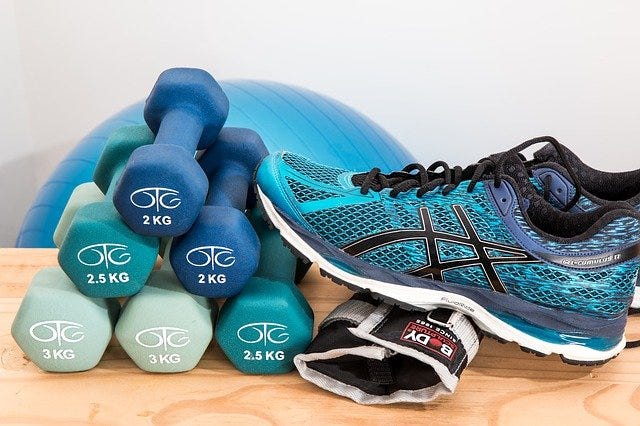
Exercising is proven to release certain endorphins and hormones in the brain that lead to improved mood. I can attest to this; the best I ever felt was when I was working out regularly. I swam, ran 5ks, and hit the gym 3–5 times a week. My moods leveled out and my energy returned.
It can be really hard to exercise, but I promise you’ll love it once you get used to it. Your body heals itself when you give it exercise and nutrition. For example, my ankles are bad. But contrary to popular belief, exercise helps strengthen them, inducing healing. I’ve been through lots of medicine over the years, but exercise is the best one yet.
To start an exercise routine, pick something you enjoy. Cardio and aerobic exercises like running or swimming ramp up the intensity of your workout and get your heart beating faster. This helps burn more calories and releases more endorphins. Yoga is all about core strength and concentration, but it has similar effects. You could even start out with short walks or stretching. I enjoy swimming because it doesn’t even feel like exercise. Swimming for a few hours can burn up to thousands of calories. You can also garden, walk through nature trails, or ride bikes.
Here is a slideshow with 5 mood-boosting workouts you can try at home.
Listen to music and podcasts.
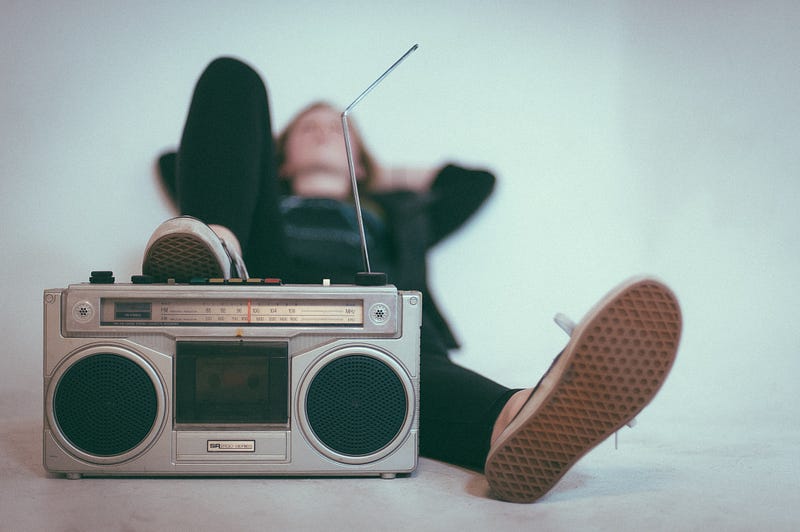
Music — where would we be without it? There are many kinds of music for different moods. If I want to clean, I can put certain music on. If I want to work out, I can put something else on. Depressed? Yet another kind of music is available to me. So much music to match any mood. When I’m really down I like to have a dance party with my kids. We turn up the music, turn on the amp, and just go crazy. They love it and it cheers me up something fierce.
As far as podcasts go, I like to listen to them when I’m struggling. I listen to motivational talks, things about my hobbies, or celebrity talk shows, depending on my mood. One of my favorites in relation to writing is, “Just Keep Blogging”, by Kim Andersen. She helps me find the motivation to keep writing on tough days.
There are so many options available to us today. You can listen to almost anything you want on YouTube, for free. As far as podcasts go, my personal favorite platform is Stitcher. I firmly believe there’s a podcast for everyone.
You can even switch it up by taking guitar or drum lessons or practicing piano on a keyboard. A lot of times you can find old keyboards at second-hand shops or for cheap at Amazon, or a Big-box store.
Drink more water.

The more hydrated I am, the better I feel. It’s amazing what simply drinking more water can do for you — it helps energize your muscles and keeps your skin healthy. A news article at Harvard University found that drinking water lubricates your joints and ligaments, stimulates your organs, and helps improve your mood and sleep schedule too.
If regular water is boring for you, try throwing fresh fruit in to make it flavored. Or try to eat fruits and vegetables with higher water content, like cantaloupe or apples. This doubles as a dietary technique: eating foods with more water content helps you feel full, and eat less.
Spend time in the sun.

Seriously, I’m like a plant. I need ample sunlight and water to thrive. The Vitamin D provided by the sun helps strengthen bones. Vitamin D deficiency has increased since Americans moved to more white-collar jobs and careers, according to Harvard University. Vitamin D’s also important in bone health because it helps the body absorb calcium.
Get out in the sun as much as you can. Even basking in a sunny window can help. Try to be mindful of the warmth the sun provides, and how it feels to soak it up.
What about the dark season though? Isn’t the whole point of this article, to combat SAD? Well, I have a surprise for you. You can solve the lack of winter sun with Light Therapy. Light Therapy involves sitting next to a lightbox that mimics natural sunlight. A light box is relatively affordable on Amazon.
Find support people.

The people who love us are troopers. There’s nothing worse than being on a roller coaster you didn’t sign up for. Yet the ones in my life stick through everything with me, and I don’t know what I would do without them. But not everyone understands depression, and not everyone knows how to help all the time. Plus, support people have lives too, and they can’t always be there for you. This is where the internet provides us with yet another blessing:
Google.
Everything is online now. Find a forum or support group with others experiencing the same issue. One thing that always makes me feel better is knowing I am not the exception to the rule.
Some resources:
Seasonal Affective Disorder Forum
National Alliance on Mental Illness (NAMI)
Be aware of what’s going on.
A HUGE step in this process is realizing it’s even a thing to have moods. There’s a reason the first step to solving a problem is admitting you have one. But you cant fix something if you don’t know it’s broken. So learn to identify SAD and accept it into your life.
Some common signs of Mental Illness include, but are not limited to:
- Irrational irritability or fear
- Change in eating habits
- Change in sleeping habits
- Change in sex drive
- Not finding pleasure in activities you normally enjoy
- Lack of interest to do things
- Isolation
- Substance use
Pick up some life skills.
Special skills can help to combat or prevent seasonal depression. Look up Cognitive-Behavioral Therapy, or CBT, and you can find all kinds of ways to work through this. You will find skills such as acceptance, opposite action, and self-care, to name a few.
For those struggling with regular mood disorders on top of SAD, or mood disorders in general, a great reference I use is DBT Self Help. On the site, you’ll find tons of resources for different life skills that can help you battle through some of those tougher days.
Conclusion
In conclusion, applying these techniques should provide you with some relief during the winter months — and hopefully curb any seasonal depression you may be experiencing. Take care of your body and mind, find support, and use the resources listed here and you’ll be back on your feet in no time.
If you feel that you are experiencing seasonal depression or any type of mood disorder, be sure to talk to your healthcare provider to determine the best course of treatment for you.


