
How I Find The Courage to Write About New Topics
The first step is falling in love with a subject.

I have always loved to talk about psychology and how our thoughts guide our actions, but writing about it, not so much. But why not?
I have studied humans' behavior, and how they have evolved, I know how the chemicals in your brain can influence your overall demeanor. This is my field of expertise, so why have I never written about it.
The answer is simple; I am afraid that I don't know enough.
And this point is where you would say, "But fear is a tertiary emotion, Joy; how can you not understand that it's your self-doubt and sadness from being rejected that's stopping you?"
You would be right. It's more than just fear; I would hate to be wrong when talking about the brain. I know that it's one of the world's great mysteries, and the information is constantly changing. So I am going to use that same point to my benefit.
I have used these three tips to write about topics that I excel at, and I hope they can help you too.
Fall in love with new topics
You see, the first step to writing about something is to learn about it, fall in love with it, have small crushes on it.
I don't know everything, but I know where to find good sources for the topics I want to talk about. I also know who to talk to when I don't know where to start.
Some of my sources for writing interesting stories come from listening to my friends on LinkedIn or talking to my mom. But there are also books that sit on my shelf as I refer back to them from time to time, like The Subtle Art of Not Giving a F*ck by Mark Manson or Your Brain At Work by David Rock.
Take the time to learn about new topics, find the cool facts that people tend to overlook, and tell folks about them.
Did you know the prefrontal cortex was the last part of the brain to develop in human evolution?
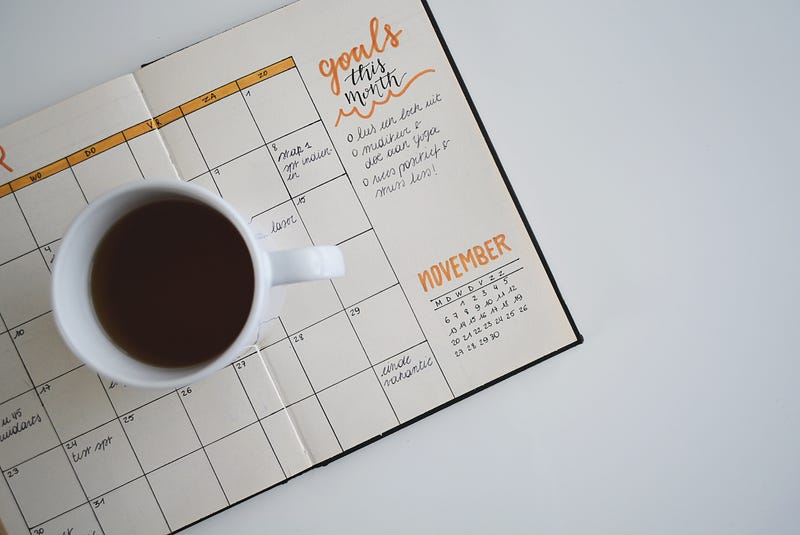
Plan your routine
I don't plan my writing; I sit down whenever I find the motivation to do so and write for a few hours.
Terrible, right? I know that having a writing routine will make me a more effective writer, but I suck at it.
So how do I overcome it?
First, stop telling myself that I suck at it. I am new to creating writing routines that work rather than just haphazardly deciding to write about a topic.
I have begun to plan topics that could benefit people, trying to learn more about their habits and the people about them. Why this way and not times when I can write my best work? I strive to help people, so I will lose the motivation to write about it very quickly if my work does not fundamentally.
After I have figured out my topics and played around with headlines, I plan parts of my day that will have the most creative energy for this task.
Psychologists say that the morning is the best time for some creatives to get their ideas out. They also say you should walk around with a notebook, and surprisingly, it makes more sense to write something down on a piece of paper rather than on your phone.
Your brain doesn't like artificial light as much, so the action of going from natural light to artificial light can slow down how information is transferred in the brain. Weird, right?
Just Do It
At least Nike got this part right. No amount of planning is going to make writing about something less scary, at least not for me.
The writing routines I create can sometimes be a hindrance to my creativity, but so can the abundance of information in my research phase. Rather than stare at my outline for hours, I write first and edit later.
To be complex is our art, but to simplify is our purpose.

My ideas fetter about in the first draft, but they find order and form by the last draft. By taking the time to write and worry about my mistakes later, I am learning the art of failing forward.
My brain will begin to understand that a grammar mistake isn't a failure but the beginning of my writing process.
We tend to overcomplicate things, but that's human nature. To be complex is our art, but to simplify is our purpose. While the brain is a complex organ, it's also part of why we try to simplify our lives so much. Cool, right?
Okay, so the last fact about the brain was weird and redundant, but it's a part of writing.
I hope these steps will guide your writing and help you take one step towards writing about things that you love.