avatarAnshul Kummar

Free AI web copilot to create summaries, insights and extended knowledge, download it at here

2173

Abstract

">Errors provide invaluable clues for what <i>not</i> to do next time. Feedback from flops helps us course-correct.</p><p id="664c">Every Nobel Prize winner stands on the shoulders of botched trials that came before.</p><blockquote id="91e8"><p>Thomas Edison famously remarked, “I haven’t failed 10,000 times — I’ve successfully found 10,000 ways that will not work.”</p></blockquote><p id="17a9">Each less-than-perfect attempt brings science closer to ultimate success.</p><h2 id="92b3">Develop Beginner’s Mindset.</h2><p id="ca96">In Zen philosophy, “<i>shoshin</i>” or “beginner’s mind” involves remaining open and eager to learn.</p><p id="c694">It means embracing each new day with curiosity rather than preconceived notions that close us off.</p><p id="546c">To foster innovation, we must cherish the innocent wonderment of a child discovering ideas instead of clinging to old paradigms.</p><p id="d06c">A beginner’s mindset preserves our ability to question profoundly and see solutions that experts may overlook.</p><h2 id="50d1">Cultivate Curiosity.</h2><p id="07ac">Curiosity not only makes life more exciting but also fuels problem-solving.</p><p id="efa0">We unravel greater meaning by probing below the surface and querying, <i>“Why?”</i>.</p><p id="c894">Pursuing passions and interests widely outside our lane sparks fresh neural connections. You never know what parallels exist to inspire creative hybrid solutions across diverse disciplines.</p><h2 id="b513">Explore Widely.</h2><p id="251a">Venture beyond narrow domains of expertise into unfamiliar terrain.</p><p id="d392">Cross-training the mind breaks ingrained thought patterns to enable out-of-the-box ideation.</p><p id="8b71">Connecting disparate dots begets innovation. For instance, modeling AI on human cognition or applying physics principles to economic theories bears fruit.</p><p id="a275">Wandering widely pollinates mental fertilization!</p><h2 id="90b4">Practice Systems Thinking.</h2><p id="9865">Increasingly, solving complex problems requires viewing issues as interconnected parts rather than isolated events.</p><div id="23dc" class="link-block"> <a href="https://readmedi

Options

um.com/tools-for-systems-thinkers-the-6-fundamental-concepts-of-systems-thinking-379cdac3dc6a"> <div> <div> <h2>Tools for Systems Thinkers: The 6 Fundamental Concepts of Systems Thinking</h2> <div><h3>In this series on systems thinking, I share the key insights and tools needed to develop and advance a systems mindset…</h3></div> <div><p>medium.com</p></div> </div> <div> <div style="background-image: url(https://miro.readmedium.com/v2/resize:fit:320/1*EfAQ2EAbs0EPdcFlVFHc7w.jpeg)"></div> </div> </div> </a> </div><p id="7187">No single discipline or dynamic operates in a vacuum without influencing other elements. An interdisciplinary mindset underpins systems thinking.</p><blockquote id="1d6c"><p>Take COVID, climate change, or mental health. These urgent crises span healthcare, economics, ecology, transportation, etc. Holistic reasoning wrestles such slippery worms!</p></blockquote><h1 id="c970">And, Finally…</h1><p id="3c2a">Failing fast frequently builds resilience so we can bounce back stronger.</p><p id="ecee">Screwups supply invaluable intelligence to help us iterate better solutions. So next time you flub, flap, or flop, see it as one step closer to success!</p><h2 id="144a">Follow me for more content.</h2><p id="a3c2"><a href="https://medium.com/@wordsmithwriter/subscribe">Medium Email Signup<b></b></a><b> I <a href="https://youtube.com/@NextgenDigital"></a></b><a href="https://youtube.com/@NextgenDigital">YouTube Channel<b></b></a><b> I <a href="https://mynextgendigital.com/"></a></b><a href="https://mynextgendigital.com/">Nextgen Digital (website)<b></b></a><b> I <a href="https://twitter.com/k31091632_kumar"></a></b><a href="https://twitter.com/k31091632_kumar">X (Twitter)<b></b></a><b> I <a href="https://anshulkumar.substack.com/?utm_source=substack&amp;utm_medium=web&amp;utm_campaign=substack_profile"></a></b><a href="https://anshulkumar.substack.com/?utm_source=substack&amp;utm_medium=web&amp;utm_campaign=substack_profile">Substack Newsletter</a></p></article></body>

How I Discovered The Most Ignored Skill of All

I had to figure it out alone.
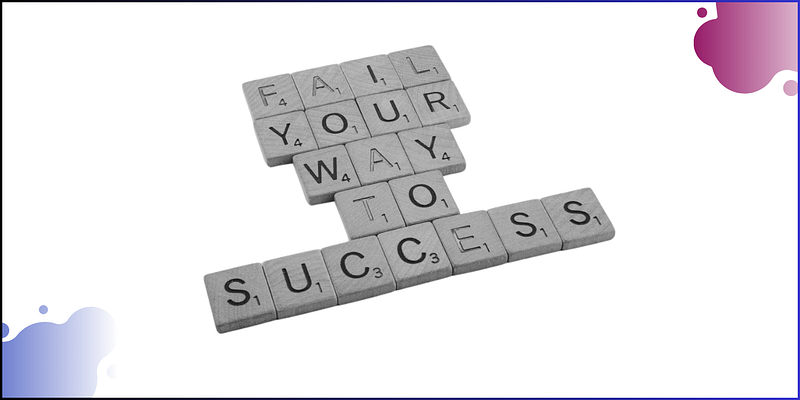
Image created on Canva

Do you know the most crucial ability schools somehow neglect to impart?

Learning how to fail successfully!

I’m serious!

Although we get measured and graded in class on getting the “right” answers, teachers rarely explain the value of being utterly, miserably wrong.

Yet, making blunders can make you more innovative and more creative in the long run.

As kids, each new day brings fresh chances to trip up, bumble about, or royally mess things up.

But such faceplants teach balance and coordination. The same principle applies in life.

Every botched relationship or bombed job interview holds an important lesson. The trick lies in studying each crash to better prepare for takeoff again.

Fail Early and Fail Often

Are mistakes truly disasters or gifts in disguise?

  • Imagine if Thomas Edison had quit after botched #10,000 to perfect his lightbulb filament.
  • Or if JK Rowling had desisted writing after just a dozen publisher rejections. Smashing success depends on first amassing epic failures.

Bouncing back from goofs, setbacks, and shortfalls makes us more sturdy and determined.

With every blunder, our skin grows thicker.

We realize that failure won’t break us.

Much like with conditioning the body at the gym, the more we stress-test ourselves, the more durable we become.

We expand our coping repertoire each time we fall and get up again.

Failing Leads to Learning.

Errors provide invaluable clues for what not to do next time. Feedback from flops helps us course-correct.

Every Nobel Prize winner stands on the shoulders of botched trials that came before.

Thomas Edison famously remarked, “I haven’t failed 10,000 times — I’ve successfully found 10,000 ways that will not work.”

Each less-than-perfect attempt brings science closer to ultimate success.

Develop Beginner’s Mindset.

In Zen philosophy, “shoshin” or “beginner’s mind” involves remaining open and eager to learn.

It means embracing each new day with curiosity rather than preconceived notions that close us off.

To foster innovation, we must cherish the innocent wonderment of a child discovering ideas instead of clinging to old paradigms.

A beginner’s mindset preserves our ability to question profoundly and see solutions that experts may overlook.

Cultivate Curiosity.

Curiosity not only makes life more exciting but also fuels problem-solving.

We unravel greater meaning by probing below the surface and querying, “Why?”.

Pursuing passions and interests widely outside our lane sparks fresh neural connections. You never know what parallels exist to inspire creative hybrid solutions across diverse disciplines.

Explore Widely.

Venture beyond narrow domains of expertise into unfamiliar terrain.

Cross-training the mind breaks ingrained thought patterns to enable out-of-the-box ideation.

Connecting disparate dots begets innovation. For instance, modeling AI on human cognition or applying physics principles to economic theories bears fruit.

Wandering widely pollinates mental fertilization!

Practice Systems Thinking.

Increasingly, solving complex problems requires viewing issues as interconnected parts rather than isolated events.

No single discipline or dynamic operates in a vacuum without influencing other elements. An interdisciplinary mindset underpins systems thinking.

Take COVID, climate change, or mental health. These urgent crises span healthcare, economics, ecology, transportation, etc. Holistic reasoning wrestles such slippery worms!

And, Finally…

Failing fast frequently builds resilience so we can bounce back stronger.

Screwups supply invaluable intelligence to help us iterate better solutions. So next time you flub, flap, or flop, see it as one step closer to success!

Follow me for more content.

Medium Email Signup I YouTube Channel I Nextgen Digital (website) I X (Twitter) I Substack Newsletter

Motivation
Self Improvement
Productivity
Life Lessons
Life
Recommended from ReadMedium