
How I Developed Self-Confidence And Got Over My Fear of Public Speaking
All it took was the willingness to take the plunge
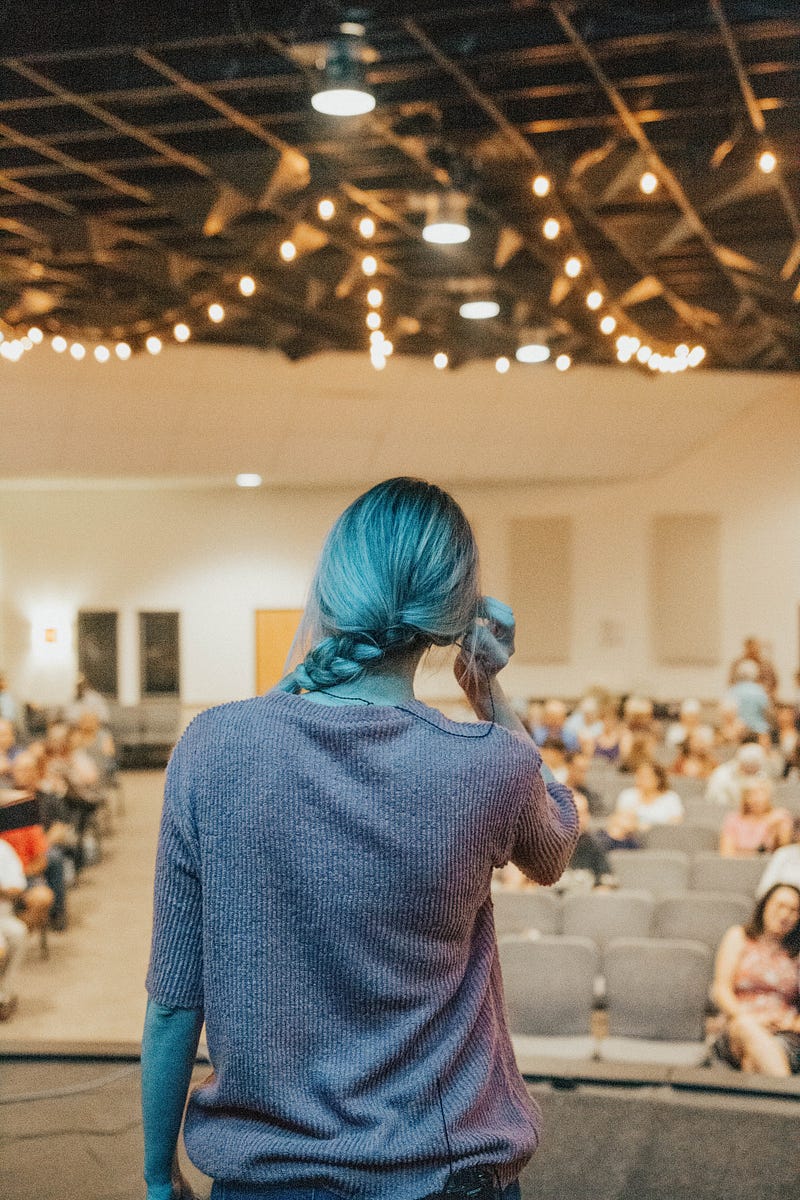
Confidence is a good thing to have. While some people are naturally confident, others need to work on themselves before they can attain it.
For a long time, I was a timid person. I never saw myself as a leader or a vocal person, particularly if I was in a group with others. I could do all the background work, but when it came to presentations and representation, I would always take a back seat.
I was the observer who would let others speak on my behalf. For me, timidity had reached a point of no return.
As I grew older, I almost never spoke publicly because for some reason, I felt I couldn’t express myself properly. Even when I spoke, I would ramble and struggle to find the right words to use. I was that student who hardly answered questions, but would only chatter secretly.
This continued for a long time till I decided to step outside that box.
At the time, I was in high school and there was to be a class debate. Out of nowhere, I was picked to represent my class. I was utterly shocked and panicked. I liked debate, but I preferred to be on the listening side, certainly not a speaker. How would I look at the sea of heads and talk? It felt like mission impossible.
I had three days to prepare and I kept convincing myself that I could do it. My opponent on the other hand, was formidable and wasn’t new to debating. He was a champion who was well known for his excellent oratory skills and verbal dexterity.
As I prepared for the debate, I made my notes, rehearsed in front of my mirror and had lone moments of speaking to myself about the topic. I tried to leave no stone unturned while I mastered every point.
Days passed and now here I was, about to pour out my lines ruthlessly. I took a deep breath as my heart pounded relentlessly in my chest. My whole body shook as I expelled some air of relief, then started talking.
Once I opened my mouth, the words began to flow. Surprisingly, it all began to make sense and I got more comfortable as I churned out the words. I steadily argued each point while regaining balance and making eye contact with other students in the crowd. I reduced my pace and in that moment, I realized that talking in an open space wasn’t so hard, particularly if you knew what you were there to say.
The more I spoke, the more I gesticulated and engaged the audience. It was one of my eureka moments because at that point in time, I silenced every doubt and anxiety.
To date, I believe it was because I gave myself a chance at self-expression.
That singular event was a major boost of my self-confidence and from that day henceforth, I developed the courage to express myself, no matter where I was or who I was with. This courage would later spur me on to be a lawyer who stood before others in court to defend cases and a part-time law lecturer at a university.
For me, it was a learning process that encouraged me to face more of my fears because it made me realize that things can always get better if we put in effort and show up when necessary. Silencing every doubtful thought and taking bold steps pushed me to achieve greater feats.
In retrospect, I could have opted out of the debate or feigned some sort of excuse not to do it. However, I gave myself no other choice but to go through with it.
To a very reasonable extent, I would agree that the process of becoming more vocal and expressive wasn’t an overnight achievement. It required more effort on my part and the conviction to make a difference in that area of my life.
One debate was certainly not all it took to completely conquer that fear of public speaking. I continued to put myself at the forefront of speaking engagements and never saw it as anything too tasking. As long as I had prepared and rehearsed, I was good to go.
Asides growth, the whole process was an experience that taught me a lot about life and how to deal with situations that may hinder one from reaching one’s goals. Here are some things I learnt from confronting my fear of public speaking:
1. Always be prepared
Mental and physical preparation are important for anyone who wants to improve their public speaking skills.
If you want to be less nervous or intimidated, be ready.
Practice, they say, makes perfect. A little practice always helped me meander less and go straight to the point. Once I grew to understand this concept, it made me more exact when talking.
“By failing to prepare, you are preparing to fail.” — Benjamin Franklin
Indeed, knowing what to say gives you a headstart so when you are called to speak, you would be able to present your point succinctly without being unnecessarily overwhelmed.
If you can’t remember everything at once, there’s no harm in having a paper that will serve as a guide where the words are listed. You can take a quick peep from time to time when speaking. It also comes in as a reminder, should you forget to say something important.
Now when I need to speak publicly, here’s how I go about it:
- I never stop practising. I do it over and over till I am very confident that I can deliver without flinching.
- I use cue cards when I need to. If it’s a powerpoint presentation, it’s easier too.
- I look out for any question that could be thrown at me so I am not caught unaware.
- Sometimes, I record myself so I can observe my facial expressions, mannerisms and other gestures.
2. Try not to rush through your words when talking
Rushing through your words can be compared to a moving train that can’t be stopped. The truth is, people want to listen to what you have to say, and the power lies with you to carry them along. The listeners want to note every word, every sentence and lastly, the silence between your words.
Even when we think as humans, there are spaces between our thoughts because we are not robots. The same goes with speaking to others publicly; it’s important to let people absorb what you are telling them. One way to ascertain this is by observing their reaction to what you are saying.
Communication is a two-way street; more or less a dialogue. As Ann Ricketts, the founder of Lighthouse Communications explains, the public speaking process is one which involves having a knowledgeable conversation with others that are interested in your ideas.
Every time I am called to teach , I quietly ask myself these questions as I publicly speak:
- Am I audible enough?
- Do my listeners understand me well enough?
- Am I explaining in the best way possible?
- What could be the unanswered questions in their minds as they listen?
Over time, I have also learnt to carefully string sentences, reiterate relevant points, make good use of imagery, history and also reach good conclusions when speaking. These are very essential parts of any speech.
When your listeners are seated, they have one main aim: to listen. You on the other hand owe them one thing: delivery.
Rushing through your words could make you seem less prepared and nervous. Your listeners deserve that opportunity to digest your points . That’s the only way you can keep them attentive.
Carefully choosing my words always gives me enough time to think through them and predict the likely impact on any listener.
3. If you want to get better, use every opportunity to learn something new
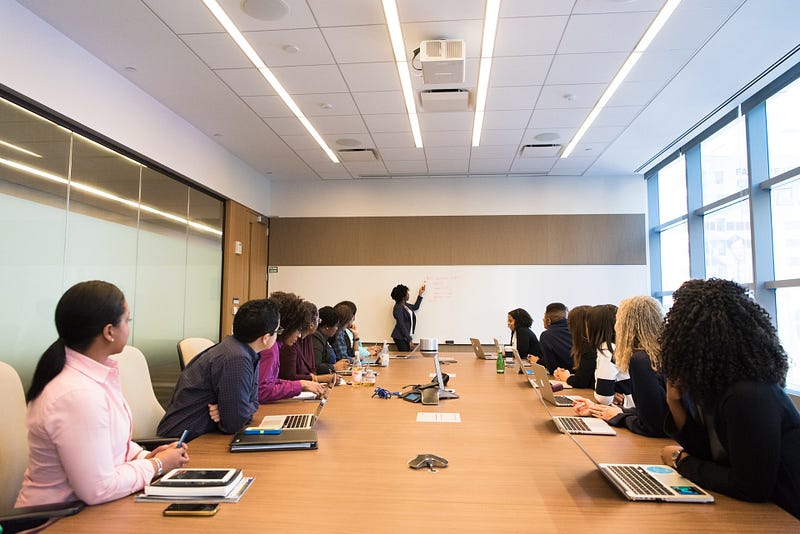
With time, I realized that I needed more encouragement and the chance to sharpen my public speaking skills. This pushed me to join toastmasters, more debates, and mock trials in school. I started tutoring undergraduate students ; this gave me an opportunity for continuous improvement.
I also engaged in productive discussions with my peers because it allowed me voice my thoughts.
Asides speaking, I also did the following:
- I kept a journal where I wrote my thoughts;
- I had a dictionary that I read consistently. It helped with my diction.
- Whenever I spoke publicly, I would usually ask for feedback from my close friends.
- I was more conscious of my appearance too so people could take me seriously. My mirror became my best friend because it gave me some sort of reassurance.
Final thoughts
Courage is what it takes to be successful in any venture.
I believe that many opportunities have come my way because I was intentional about conquering timidity.
It didn’t come easy, but it got better with time. I was able to teach and give adult-education, tutor and pursue my lawyerly profession because I decided to be bold.
I know that this is just the starting point because I do have greater dreams. However, what matters now is that I am daily building myself and doing the best I can to show up every day and take advantage of solid opportunities that will improve my life and career.


