
How I Cured my Phone Addiction.
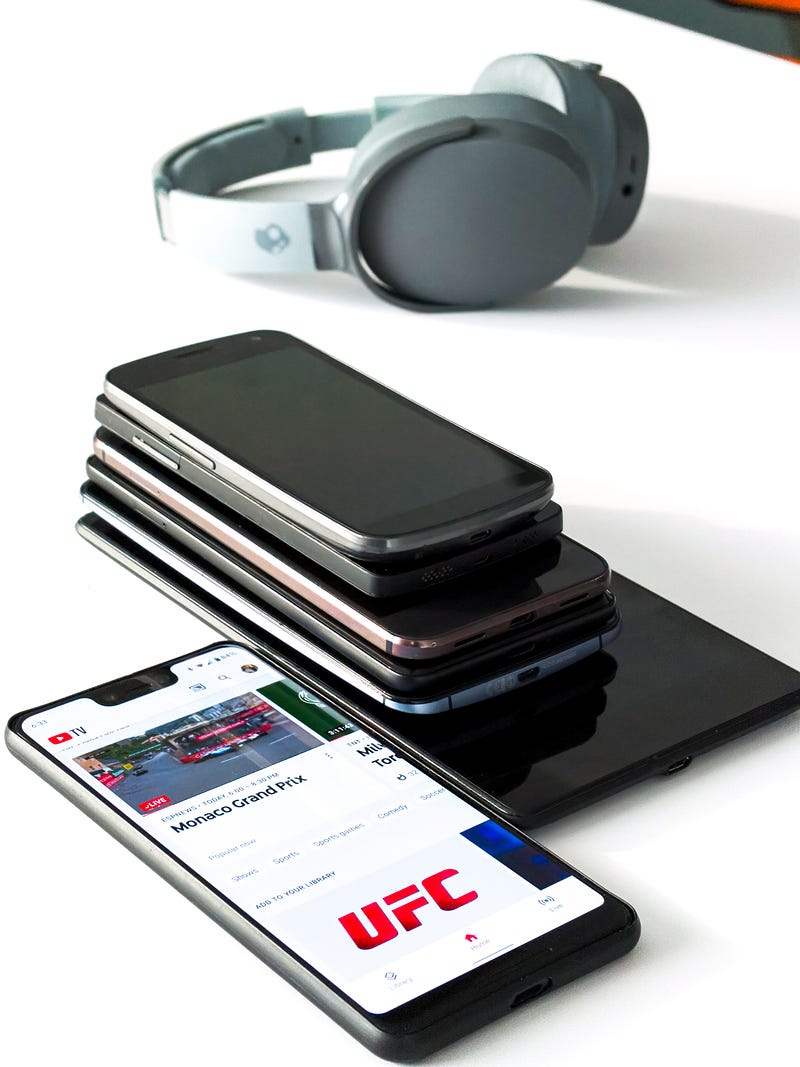
Everyone has a phone nowadays, we are all glued to our screens and because of isolation and the pandemic, we are looking at our phones now more than ever. I used to be a part of the group of people that used to be on their phones for around six hours a day, a quarter of my day used to be wasted. Fortunately, since the start of this year, my screen time has steadily decreased to a point where it is at an average of two and a half hours a day.
Here is how I knew I had become addicted to my phone. When my phone was not around me, I would become fidgety and anxious. If this happens to you, then you have a phone addiction.
A lot of us suffer from phone addiction, and I am writing this article to tell you about the ways I cured my addiction, let’s jump right in.
Keep Your Phone Out of Your Sight.
Whenever I was working with my phone in my peripheral vision, I would reach out for it and go on Instagram, I would zone out of the room or the task I was doing and once I was done looking at my phone, I would be confused about my current situation, this would happen every five minutes. You should start by keeping your phone in a cupboard with the ringer on. If your profession does not involve keeping your phone with you to answer calls, then keep the phone in a cupboard on silent mode, if you want to take it to its extremes, keep your phone in a different room.
My productivity shot up after I did this, I find that looking at your phone is like eating a bag of Doritos, you have one, then you want another and soon enough your fingers are covered in Doritos dust, we have to look at our screens multiple times, I don’t know why, but we can’t just look at it once. Instagram can wait, most of the apps on your phone are not important, and, if you keep your phone away, your productivity will automatically increase since there is nothing left to do apart from the task at hand.
Don’t give me the B.S about productivity apps either, even if you have installed these apps, you are still using your phone, with your phone in your hand, a distraction is available in one swipe.
Set Limits for Apps.
I have an iPhone and there is a setting which allows you to limit your screen time on certain apps. Click on settings, go on screen time and there will be an option called App Limits, click on it and you will be given the option to add a limit on a certain category, you can then set a time limit. My current limit is two hours on social networking. You can customise limits for particular days as well, from Monday to Friday the limit is two hours a day and for the weekends it is three hours a day.
On an Android device, you can go on the activity card and set a limit on your apps. My iPhone also has a feature called Downtime, which is a schedule for time away from the screen, during this setting you can still receive phone calls and use apps which you always allow, such as WhatsApp in my case.
Decluttering your screen is also very effective, delete the apps you do not use, I used to have games on my phone that I stopped playing, so I deleted them, this cuts distractions and helps you use the apps you need.
Turn Off All Notifications.
If you need your phone because of your profession, keep the notifications on but if you struggle to keep your phone away from you, turn off all notifications. I find that phones are great at breaking workflow, you get a DM from someone on Instagram and then you scroll through your feed and two hours later you have done nothing apart from getting sucked into the social media vortex.
Schedule Your Phone Use.
After 5:30 pm I answer my Whatsapp, Snapchat and Instagram notifications, the reason I do this is that, after 5:30 pm, it is my downtime, I read or I watch a show on my laptop, I give myself three hours of downtime, so that involves spending time with my parents or hanging around friends, basically activities that do not require a lot of brainwork and are not as mentally draining as some of the tasks I do during the day.
Understand the Dangers of Phone Addiction.
This one will shock you and it may send you in an existential crisis, but once I sat down and thought each of these dangers through, it made sense to cut down my screen time.
While it may seem that losing yourself online will temporarily make feelings such as loneliness, depression, and boredom disappear, it can make you feel even worse. A 2014 study found a correlation between high social media usage and depression and anxiety. I can say this happened to me, I used to be on social media all the time and after a while, I just felt lonely looking at everyone’s photos so I decided to delete social media and go out into the real world and make some memories.
It increases anxiety. A recent study found that the mere presence of a phone in an office or work environment tends to make people more anxious and perform poorly on given tasks. The heavier a person’s phone use, the greater the anxiety they experienced.
Learn to Live in the Moment.
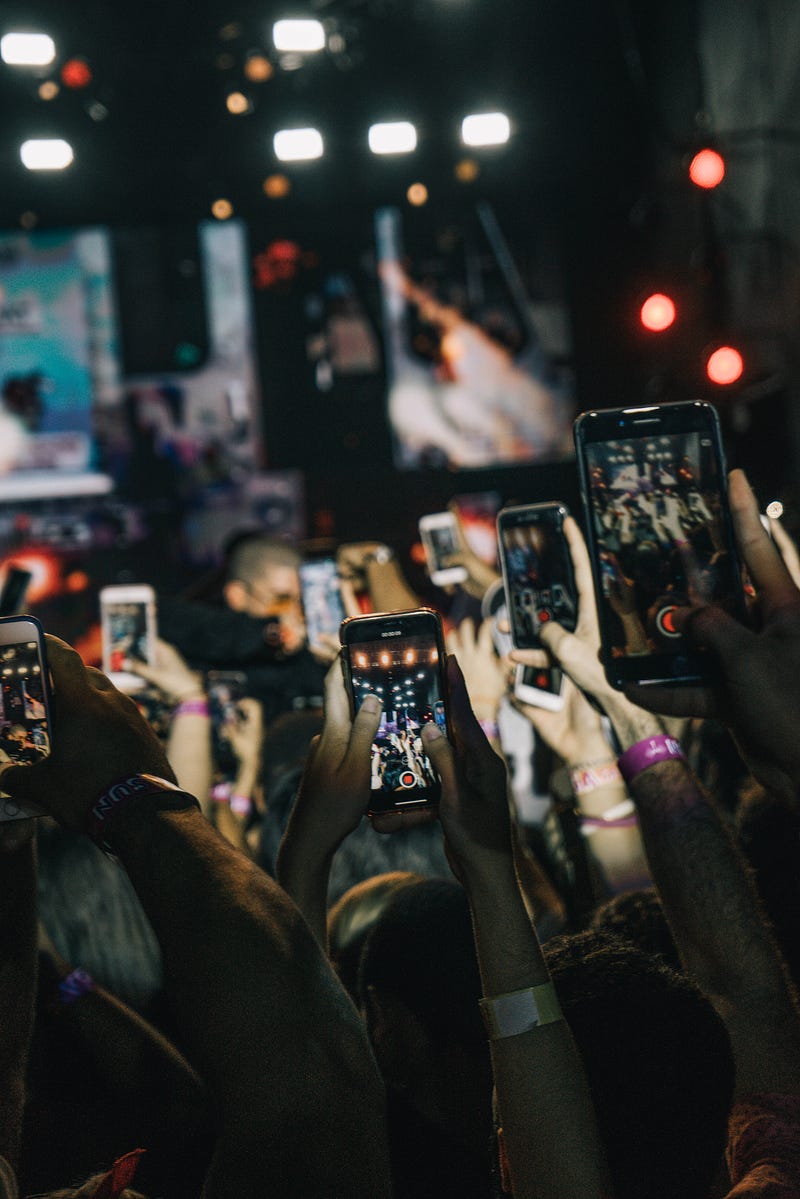
Look, taking photos of your food makes the food less enjoyable, learn to savour the moment. A special moment captured in your mind makes a better story than one captured on your phone. Use your common sense, do not ruin a moment because you did not know the time and had to check your phone, get a watch instead.
The Takeaways.
To conclude this article I want to leave you with my tips in a nutshell:
- Keep your phone out of your peripheral vision, put it in a cupboard or desk out of your sight.
- Set limits for apps by going on settings.
- Turn off your notifications by putting your phone on silent.
- Schedule a phone time, and stick to that schedule.
- Understand the dangers of phone addiction, study and associate great pain to your phone.
- Learn to live in the moment.
Don’t use your phone to escape reality, use reality to escape your phone.


