
A COMPREHENSIVE GUIDE TO WRITING, SEO, AND VIRAL PROMOTION
How I Craft My Blogs That Rank and Go Viral- My Complete Workflow
Proven tactics for writing, SEO, and social amplification.
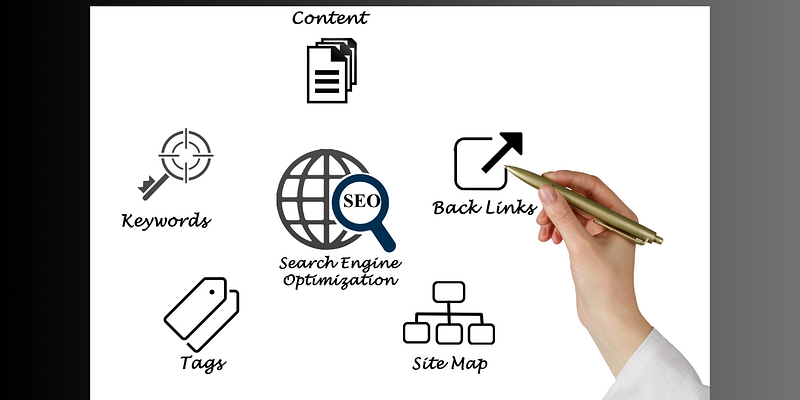
From the humble beginnings of navigating the vast and intricate world of blogging on Medium to establishing a vibrant presence on YouTube, my journey has been nothing short of a roller coaster of learning, growth, and boundless creativity.
With over 400 stories and a thriving community of 4,000 followers on Medium, my adventure into content creation began two years ago.
At first, the path was fraught with challenges; I was a novice, unversed in the art and science of blogging.

However, the tide turned when I had the fortune of encountering the wisdom of Sinem Gunel, whose writing course was a beacon of knowledge in the dense fog of content creation.
This pivotal moment began an era of exponential growth and endless learning.
As a lifelong learner, my passion for sharing insights on productivity, managing stress, and maximizing efficiency has shaped my content and fostered a community of like-minded individuals.
Today, my YouTube channel is a testament to this journey, with over 30,000 subscribers and 1.2 million views.
My commitment to delivering value-packed content has resonated across platforms, leading me to contribute to large and medium publications on Medium, where I share the digital stage with top writers who inspire and educate.
This journey, however, is far from over.
Each story on Medium and every video on YouTube represents a step towards greater understanding and connection with you — my audience.
The quest for knowledge, strategies to boost productivity, and secrets to a stress-free life continue to drive my content creation process.
Together, we explore the possibilities of doing more in less time, unlocking the potential within each of us.
Each step in the blog writing and SEO promotion process involves specific actions and strategies to ensure the blog’s success and visibility in search engines.
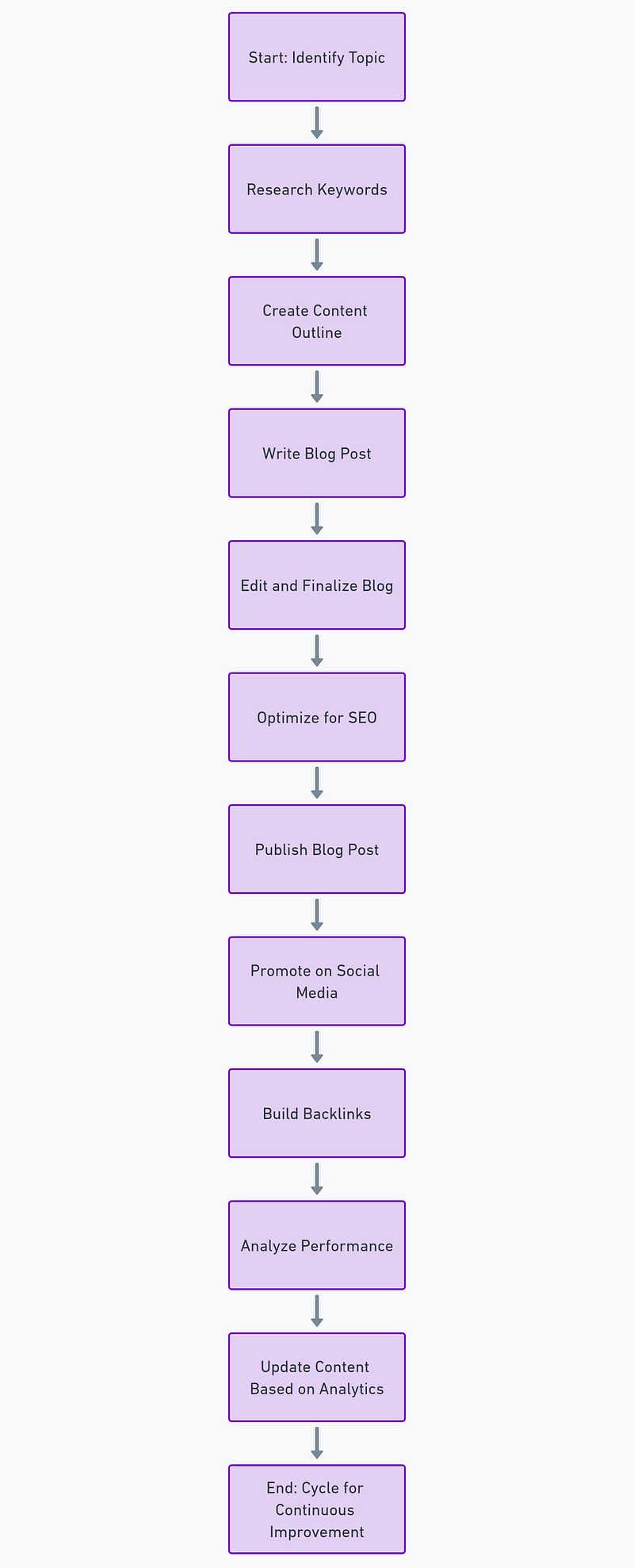
Here’s my mindmap and a detailed description of each step:
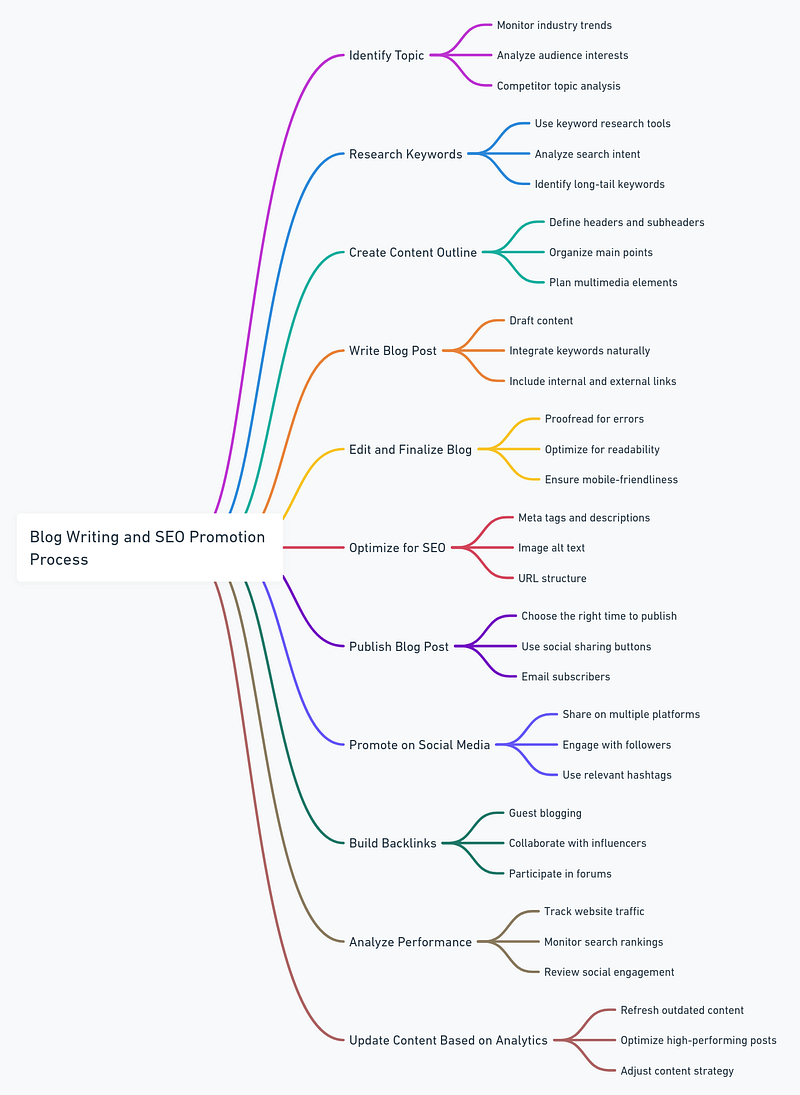
1. Identify Topic
- Monitor Industry Trends: Keep an eye on your industry's latest developments and trends to identify relevant topics.
- Analyze Audience Interests: Understand your audience’s interests, problems, and questions to generate topic ideas that appeal to them.
- Competitor Topic Analysis: Look at what topics your competitors are covering to find gaps you can fill or areas where you can offer better insights.
2. Research Keywords
- Use Keyword Research Tools: Utilize tools like Google Keyword Planner or SEMrush to find keywords related to your topics.
- Analyze Search Intent: Understand the intent behind the keywords to tailor your content to meet the users’ needs.
- Identify Long-tail Keywords: Focus on long-tail keywords as they’re less competitive and more targeted, increasing your chances of ranking higher. Long-tail words contain more than three words. Use keyword technology, like the BrightEdge Data Cube, to identify the relevant keywords that you can best rank for that also have high traffic rates.
3. Create Content Outline
- Define Headers and Subheaders: Plan the structure of your post with headers and subheaders to organize your main points logically.
- Organize Main Points: Arrange your main points in a logical flow that guides the reader through the content. Creating a structure for a blog post is always helpful. I generally use the mind maps (as developed for this post)
- Plan Multimedia Elements: Decide on images, videos, and infographics that will make the post more engaging and informative.
4. Write Blog Post
- Draft Content: Write your first draft, focusing on delivering value and engaging your audience.
- Integrate Keywords Naturally: Incorporate your targeted keywords naturally within the content to avoid over-optimization.
- Include Internal and External Links: Link to other relevant site content and authoritative external sources to provide additional value.
5. Edit and Finalize blog
- Proofread for Errors: Check for grammatical errors and typos to ensure the content is polished.
- Optimize for Readability: Break the text into smaller paragraphs and use bullet points and subheadings to improve readability. Large paragraphs reduce readability and reduce the reader’s attention. If you want the reader to stay with your story, keep your paragraphs short with keywords and make them engaging.
- Ensure Mobile-friendliness: Make sure the blog is responsive and looks good on mobile devices.
6. Optimize for SEO
- Meta Tags and Descriptions: Write compelling meta titles and descriptions with targeted keywords to improve click-through rates.
- Image Alt Text: Include descriptive alt text for images using keywords to improve image search visibility.
- URL Structure: Ensure the URL is concise, readable, and includes a keyword.
7. Publish Blog Post
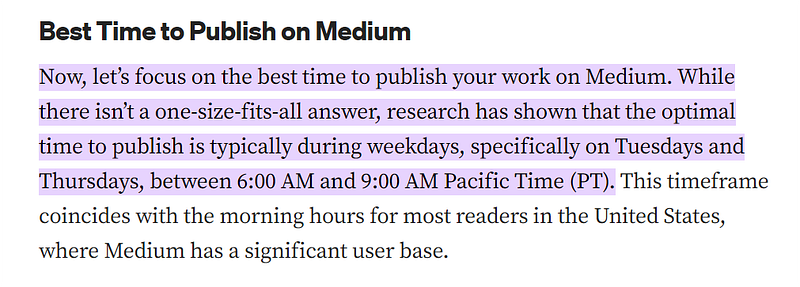
- Choose the Right Time to Publish: Identify the best time to publish based on your audience’s online activity.
- Use Social Sharing Buttons: Include social sharing buttons to encourage readers to share your content.
- Email Subscribers: Notify your subscribers about the new post to drive initial traffic.
8. Promote on Social Media
- Share on Multiple Platforms: Distribute your blog post across social media channels to reach a broader audience. I post on several Facebook pages and various publications like ILLUMINATION, ILLUMINATION-Curators, The Writing Cooperative, Slack channels, Quora, Twitter, etc.
- Engage with Followers: Respond to comments and engage with your audience to build a community around your brand.
- Use Relevant Hashtags: Incorporate relevant hashtags and increase the visibility of your posts on social media.
9. Build Backlinks
- Guest Blogging: Write posts for other blogs in your niche to get backlinks and attract a new audience.
- Collaborate with Influencers: Partner with influencers to get your content in front of a larger audience.
- Participate in Forums: Engage in forums related to your niche to share your expertise and link back to your content when relevant.
10. Analyze Performance
- Track Website Traffic: Use tools like Google Analytics to monitor the traffic your blog post receives.
- Monitor Search Rankings: Keep an eye on where your post ranks for the targeted keywords over time.
- Review Social Engagement: Analyze the performance of your social media promotion efforts by looking at likes, shares, and comments.
11. Update Content Based on Analytics
- Refresh Outdated Content: Update posts with outdated information to keep them relevant and improve rankings.
- Optimize High-performing Posts: Enhance posts that are performing well to capitalize on their success.
- Adjust Content Strategy: Use the insights from your analytics to refine your content strategy for future posts.
Call to Reflection
To those who have walked this path with me, from the early followers on Medium to the newest subscribers on YouTube, your support fuels my passion.
And to those just embarking on their journeys of content creation, let my story be a reminder: the road may be long and winding, but with perseverance, continuous learning, and the courage to embrace every opportunity for growth, the possibilities are limitless.
Thanks again for being with me and for all the support. We will WIN together.
Sharing a few of my high-ranked stories.
Connect with me on Twitter, sign me up on my Substack Newsletter, subscribe to my YouTube channel, and check out my website at Nextgen Digital.


