
How I Completely Avoided Stretch Marks
7 things I did from early pregnancy onwards.
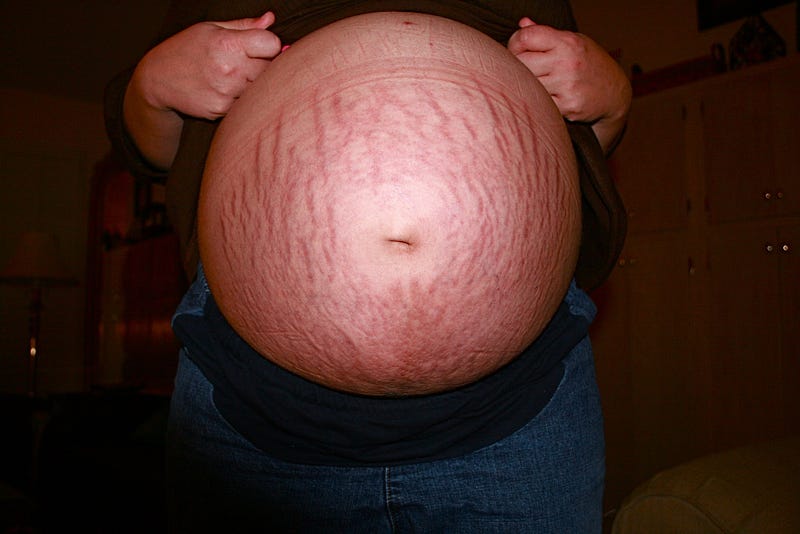
My mother is a tiny woman. Yet underneath her slim-fit clothing sits a narrow band around her tummy that bears the surface of crumble pastry.
“It’s hideous you see,” she said at the sauna once, pinching the saggy layers and motioning her hands from the waist down before they stopped at what looked like slow and careful scrawls of a Bengal tiger.
How could this be? She’s the most disciplined person I’ve ever known in keeping up with her beauty routine. I mean, I grew up watching her slather creams all over her face and body, every single morning (and night) without fail. Even now as I’m doing my own rituals, I‘d conjure up that of hers and its infinite reflections displayed upon her vanity — a corner in my parents’ bedroom mounted with floor-to-ceiling mirrors on every side.
I studied those unruly ridges from the waist down in bold streaks of violet and silver. Hers, like 90% of pregnant women’s, is a revealing specimen of how huge she once was having me in her womb.
It was the only time she’s ever revealed her stretch marks to me, way before I became a mother myself. I never forget the sight. It was the trigger warning for me to finally take her preachings into consideration.
Stretch marks, or striae gravidarium as they’re medically known, occur any time your skin undergoes a drastic change in size or shape.
This means teenage boys aren’t any less likely than preggo ladies to develop the markings — everyone is susceptible to it, and the times they’re most likely to crop up are during puberty and pregnancy.
Normally, the skin renews itself every 28 days or so. But when you’re pregnant, tissue growth occurs so rapidly that it causes deep tears through collagen and elastin — the very fibers beneath the skin that support its structure and give its supple, youthful appearance.
Aside from the physical load of growing a human, your pregnancy hormones also come into play in causing the skin to become drier and lose its ability to bounce back after stretching — altogether creating the perfect storm for striae formation.
As with any other physiological process, genetics is the main contributing factor in determining how well you heal while your skin is pulling apart so much, so soon.
Researchers observed that some women are genetically predisposed to withstand a higher tensile load and heal with nearly invisible scars, while others have a lower limit to the amount of stretching and tightening their skin can tolerate.
“The difference is in your DNA and the quality and resiliency of your collagen,” says Dr. Stephen Mulholland, a plastic surgeon based in Toronto, Canada in an article on Today’s Parent. “Ultimately, you’re fighting the genetic code of your parents and what they gave you.”
If your parents or grandparents had stretch marks, you will most likely inherit them as well. This isn’t the case for me, and I suspect it’s because my mother first got pregnant way younger than I did — she at 19, and I at 27. Younger skin is firm and taut like new rubber bands, therefore more likely to tear and develop stretch marks when stretched too far.
Another important factor within your control, more so than your age, is your BMI. Women with higher body weight before or during pregnancy are more likely to develop the streaks than those who are 30 and above, according to this 2015 analysis performed in Rouen, France. This was the case regardless of how diligently the subjects have slathered oils and creams on their bellies.
“You have to start acting on it way before your baby comes out,”
my mother would nag every once in a while after I got married, hinting for a grandchild anytime then as Asian parents do right after you’ve said your I do’s.
“If you don’t start applying creams early during pregnancy, they will pop up, and you’ll have them forever. They never go away after all these years.”
She was right. The sight of her stripes still claws at my memory as I’m writing this now.
Countless over-the-counter products have been marketed to prevent, reduce, or remove the markings, but not one has been proven to do so. They will fade at best, but never entirely disappear (unless you‘re willing to commit to multiple radiofrequency and laser treatments).
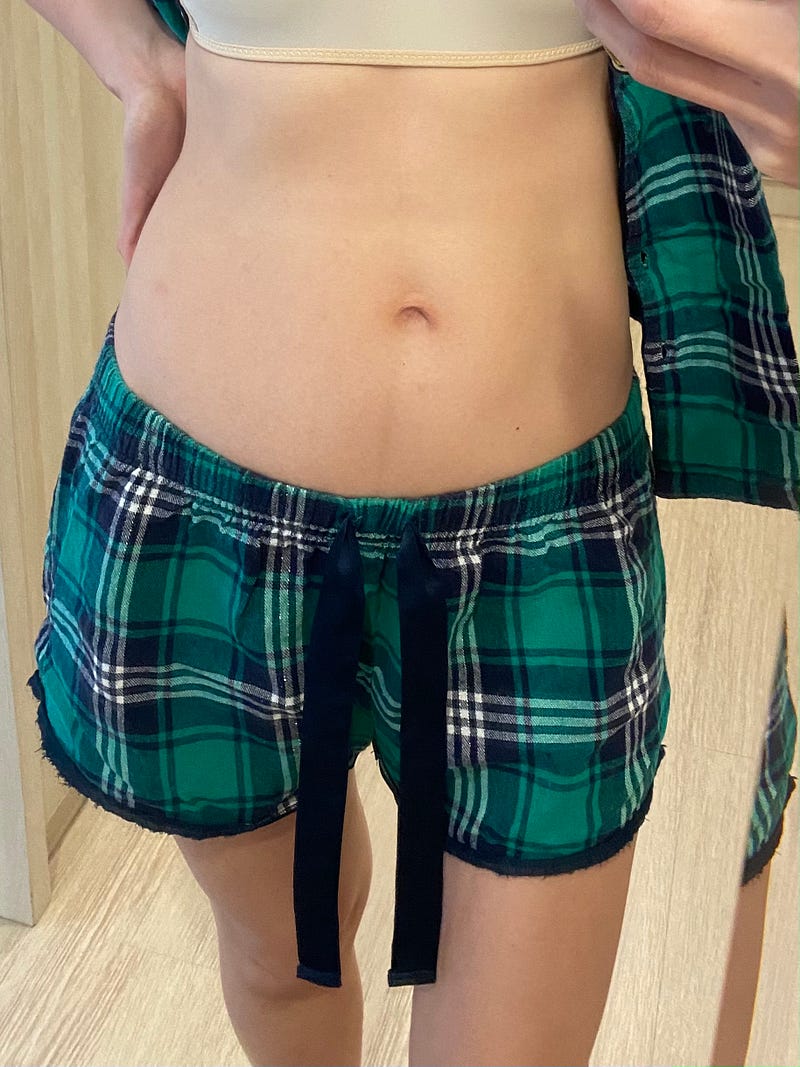
Now I get that stretch marks may fall short on the list of things you should be worried about when growing and eventually caring for the human that comes out of you, especially if you’re a first-time mom. Stretch marks are benign after all.
As superficial as I may sound, think of all the Instagram-perfect bikini pictures you’ll be taking years later should you get back to your pre-pregnancy body one day. Salty hair and feet plus a set of scar-free abs so clear that no one would’ve guessed it’s gone through labor.
I’m by no means a dermatologist or professional skincare expert of any kind. But I do enjoy trying out beauty hacks I’ve read from around the web every now and then. Having gone through labor twice now, I’ve found that these are the best tips that have enabled me to avoid stretch marks completely.
While I can’t guarantee the same results for everyone, I can promise that if you incorporate just one — any one of them — into your lifestyle, you will look and feel your best as a new mom. So if you’re ready to act now, let’s dive in.
1. Maintain a Healthy Weight
Weight gain is crucial for the health of your baby. But gaining too much in a short period of time will not only increase your risk of gestational diabetes but also develop stretch marks. Excessive weight gain causes your skin to stretch its furthest to accommodate for the massive size change. This means elongated and more prominent stripes.
Keep your weight gain slow and steady, and stop eating for two (it’s a myth anyway: Pediatricians say you only need an extra 500 calories a day). Fill up on fruits and vegetables to ensure healthy weight gain at every stage throughout your pregnancy. Consult with your ob-gyn if you’re not sure how much you should be gaining per week.
2. Get Regular Exercise
What helped me manage morning sickness, mood swings, and overall stress was hitting the gym once a week throughout my first pregnancy (I didn’t move an inch with my second due to the pandemic). I was very lenient with my regime because I did it more for the endorphins than for keeping the weight off. I didn’t just look more radiant than ever then — I was a better person to be around, especially when compared to how stressed out I was during the second pregnancy. This is because getting your heart rate up improves circulation and increases blood cell count, a win-win for both you and your baby. That glow you get when you break a sweat comes from extra oxygen and nutrients delivered to the skin, which enhances its ability to produce collagen, thereby keeping the unsightly grooves at bay.
Consistent exercise also helps maintain muscle mass that keeps your skin looking taut and sculpted. Choose the physical activity that you love so you can do it on a regular basis.
3. Load up on Skin Foods
Anything that nourishes the skin in its entirety may help prevent the striate from showing up. What I’m talking about here is collagen, which makes up 75% of your dermis. All connective tissues in your body are held together by this naturally-occurring protein, keeping your organs in place and your skin firm even while you’re moving.
Your body creates collagen whenever you break down proteins from food. As you age, it gets harder to absorb all the nutrients that synthesize collagen, particularly vitamin C. Counteract this natural decline by getting your collagen fix via lots of bone broth, eating animal proteins with the skin on, and taking in vitamin C-rich foods, which is abundant in fruits (berries, kiwi, papaya) and vegetables (bell peppers, broccoli).
Eating a diet rich in healthy fats is also crucial for healthy skin. Fat-soluble vitamins A, D, E, and K rely on the balance of these fats in your diet to get absorbed into your bloodstream and boost your body and skin. Most of us are consuming too much omega-6s and too little omega-3s. The good news is that omega-3-rich foods may already be sitting in your pantry: Think fatty fish (salmon, mackerel, sardines) and nuts and seeds (walnuts, flax seeds, chia seeds).
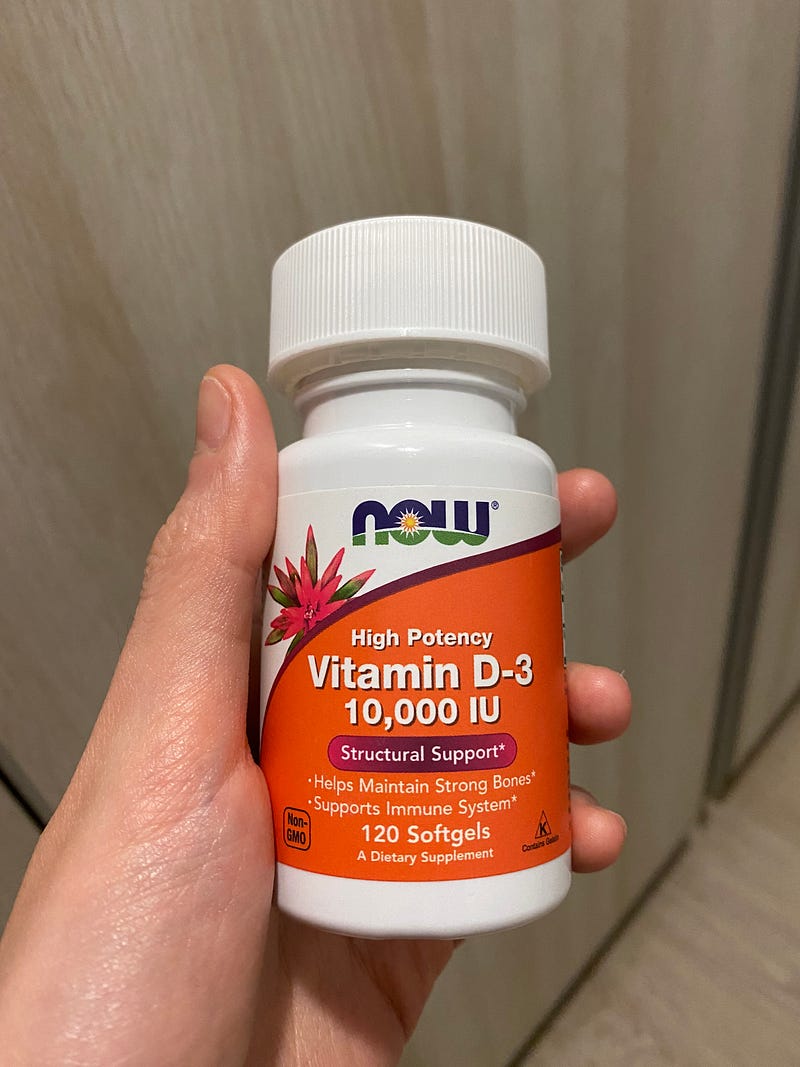
Now that most of us are cooped up at home, getting adequate vitamin D — the “sunshine vitamin” — is more important than ever. Your liver and kidneys produce this hormone after sun exposure to regulate calcium levels in your body and skin. One study found a link between lower levels of vitamin D and a greater likelihood of developing stretch marks. So be sure to get at least 15 minutes of sun exposure every day and eat vitamin D-rich foods, namely fish, mushrooms, soy, and dairy. If you are going to supplement, experts say the recommended dose for pregnant women ranges from 2,000 to 4,000 IU per day, with the safe upper limit set at 10,000 IU.
4. Hydrate, Hydrate, Hydrate
Dry skin is more susceptible to stretch marks than soft, hydrated skin. This is because skin cells shrink when they are empty of fluids, causing them to loosen and sag. Expecting women have it worse, what with crazy skin-thinning hormones and your body’s swelling demand for more water to form the amniotic fluid and support your baby’s circulation.
Guzzling water throughout the day is your best bet to stay hydrated from the inside out. Think about it: The human skin is the largest organ in your body, and it’s made up of 64% water. So you need ample amounts of it just to regulate your system. For pregnant women, the American College of Obstetricians and Gynecologists recommends drinking 8 to 12 cups (or about 2.3 liters) a day. You can easily achieve the amount by carrying a 2L water bottle wherever you go.
5. Ignore the Itch
Stretch marks are just like any other active scar — they become dry and can get itchy as you heal from the tearing. Under normal circumstances, your skin is able to recover quickly from the wear and tear of performing everyday activities, thanks to, you guessed it — collagen and elastin. During pregnancy though, your skin becomes thinner and more delicate, coming apart easily due to it stretching beyond the normal level in very little time.
Avoid scratching at all costs, because once you do, it will aggravate the itch rather than provide relief. Clawing at your itching belly will also make you more prone to cuts and infections. So distract yourself from the tingle, whatever it takes. If it starts to get the better of you, try massaging your bump in gentle strokes to create heat around the itchy area. Or better yet, try the following tip…
6. Moisturize with Centella + Vitamin E
Above all, this regimen has played the biggest role in improving my skin elasticity. When people first began noticing my bump (around week ten), I started applying this anti-aging combo throughout my hips and torso every night before I go to bed.
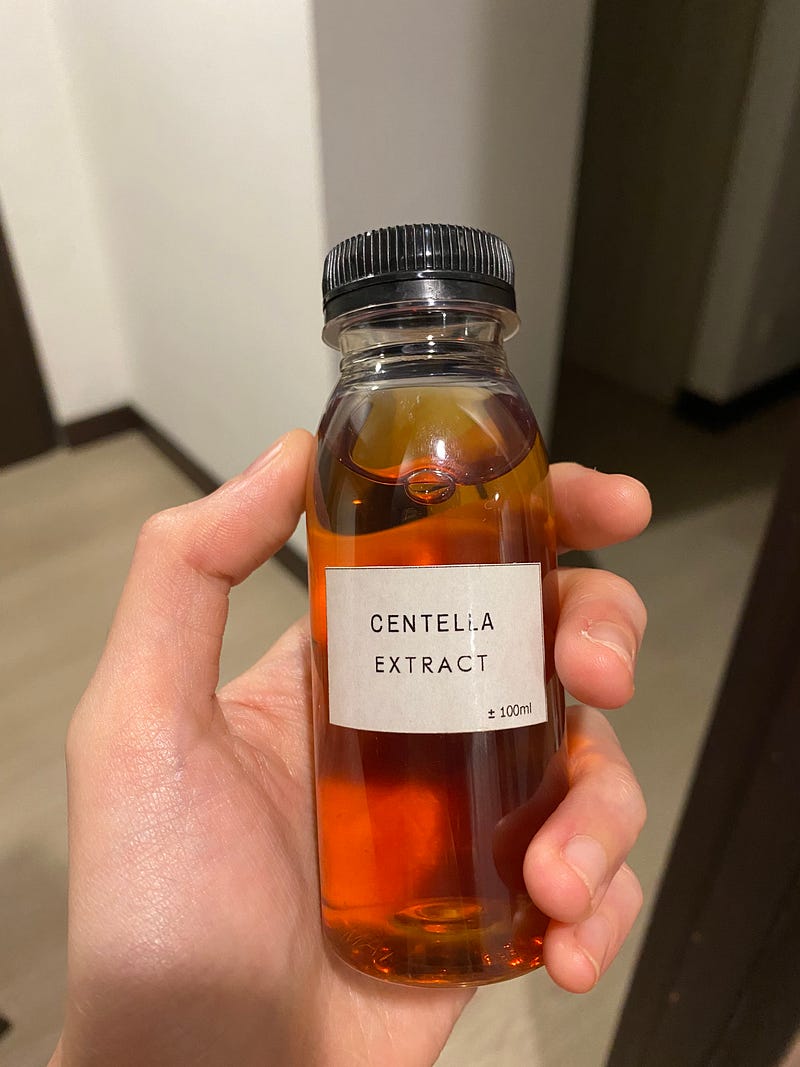
First, I rub my middle with 100% pure centella asiatica liquid extract (or gotu kola, or simply ‘cica’ as popularly tagged on hundreds of Korean beauty products) — a potent natural ingredient that actually has the hard science to back up its claims. This medicinal herb has been shown, through extensive clinical trials, to speed up the recovery of wounds, burns, and scars by boosting skin cell production, effectively enhancing the body’s ability to produce collagen.
To supercharge centella’s tonic effect on the skin, I layer with vitamin E oil, another superstar nutrient to promote skin repair and to strengthen the skin barrier function. Commonly listed as “tocopherol” in skincare products, this essential vitamin deeply nourishes and conditions your growing skin from getting too dry, which may help treat microtears before scarring occurs. Furthermore, vitamin E protects against further collagen damage from free radicals and UV radiation.
If you’re not a fan of oils like I was allergic to anything greasy during my second pregnancy, there are plenty of other options to choose from, such as this cream from Fruit Of The Earth and this lotion by De La Cruz. I choose Burt’s Bees Mama Belly Butter because it‘s the only product out there that doesn’t give off any smell to me (the whiff of almost everything made me sick at that time).
7. Avoid All Stimulants
Namely alcohol, nicotine, and caffeine (yes, you read the last one right). Effects of using these individual substances may vary, but they all lead to the same result: Premature aging, induced primarily by dehydration.
Alcohol is all-around damaging for your skin. Every time you sip your favorite gin, inflammation occurs and triggers pre-existing skin conditions such as psoriasis and rosacea. It’s why you wake up with parched lips, enlarged pores, puffy eyes, and a bloated face and body after a night of free-flow booze. “Acetaldehyde (what alcohol gets broken down to) produces reactive free radicals and damages DNA,” says Tsippora Shainhouse, a board-certified dermatologist based in Los Angeles, California in an article on Dermstore. “This leads to the breakdown of collagen fibers, skin inflammation, skin hyperpigmentation and can cause wrinkles.”
With smoking, the main issue is nicotine, which by definition is poison. Beyond its obvious links to cancer, nicotine constricts your blood vessels, reducing the level of oxygen and nutrients supplied to your system and your baby’s. This oxidative stress leads directly to collagen loss, delayed wound healing, and accelerated aging.
As for the world’s most popular drug, I’m afraid it’s also bad news. Drinking caffeinated beverages such as coffee and tea makes you urinate more, causing you to lose fluids. As a result, the skin becomes less elastic and dry, making you more prone to stretch marks. In both of my pregnancies, drinking just one cup of my regular morning green tea made me restless all night long, even though I slept just fine sipping tea all day and when I’m not pregnant. It’s as if my babies zapped every last whit of tolerance out of my system.
While doctors usually tell expecting mothers that up to 200mg a day of caffeine is okay, I should note that as little as half a cup (equivalent to 50mg) is enough to impede your baby’s growth. So if you can bear for just these nine months of your life, it’s best to avoid it altogether.
Stacia Priscilla (@blankstace) is an Indonesian-born Chinese wife and mother of two. She lives in Jakarta with her husband and daughters. Connect with her on personal growth, faith, and motherhood on Instagram or Twitter.


