Landing my First Photography Assignment in Kosovo
The unlikely partnership between Iowa and Kosovo
I had been traveling all night, crossing the Balkans via a packed overnight bus from Slovenia through Croatia, Serbia, and North Macedonia, and had passed out at 4 am on a bench in Skopje’s crusty bus station, to catch some z’s alongside some other scruffy-looking vagabonds before boarding my connecting bus to Prishtina. That morning, at my eighth border checkpoint in 16 hours, an old Kosovar man inspecting my passport inquired about my birthplace. “Indiana?” he asked.
“Yes, but I live in Iova [Kosovars pronounce “I-owa” as “I-OH-va”].”
He looked at me with approval and replied, “Iova army here in Kosova. You know this?”
To which I said, “Yes sir.”
He responded with the biggest, most genuine smile I’ve ever received from a border guard, stamped my passport with enthusiasm, and said “Welcome sir.” Needless to say, it was good to be back in Kosovo.
I need to rewind a full year — back to July 2021 — when I first met Karla McCollum, then the executive director of Iowa Sister States to talk about photographing a delegation of Iowans visiting the small nation of Kosovo the following September. Beyond the excitement of having landed my first paid photography project abroad, there was something else that told me this was fate, and it was the way that Karla talked about Kosovo, and the unique relationship it has with Iowa.
I vaguely remembered that the National Guard of my home state of Iowa, had been partnered years ago with the Kosovo Security Force, to mentor the fledgling country’s peacekeeping forces in the years after the crisis that broke out in the former Yugoslavia. (Kosovars already love Americans, but for this reason, they’re especially aware of Iowa and its significant relationship with Kosovo, whereas most people I run into haven’t heard of Iowa at all, or know of it only as the first state to caucus, or the home of Slipknot).
This relationship grew into an official “sister state” relationship, with a handful of cities between Iowa and Kosovo signing “sister city” relationships. It blew my mind to realize that in ten years or so, significant relationships between these unlikely places had been woven at many different levels.
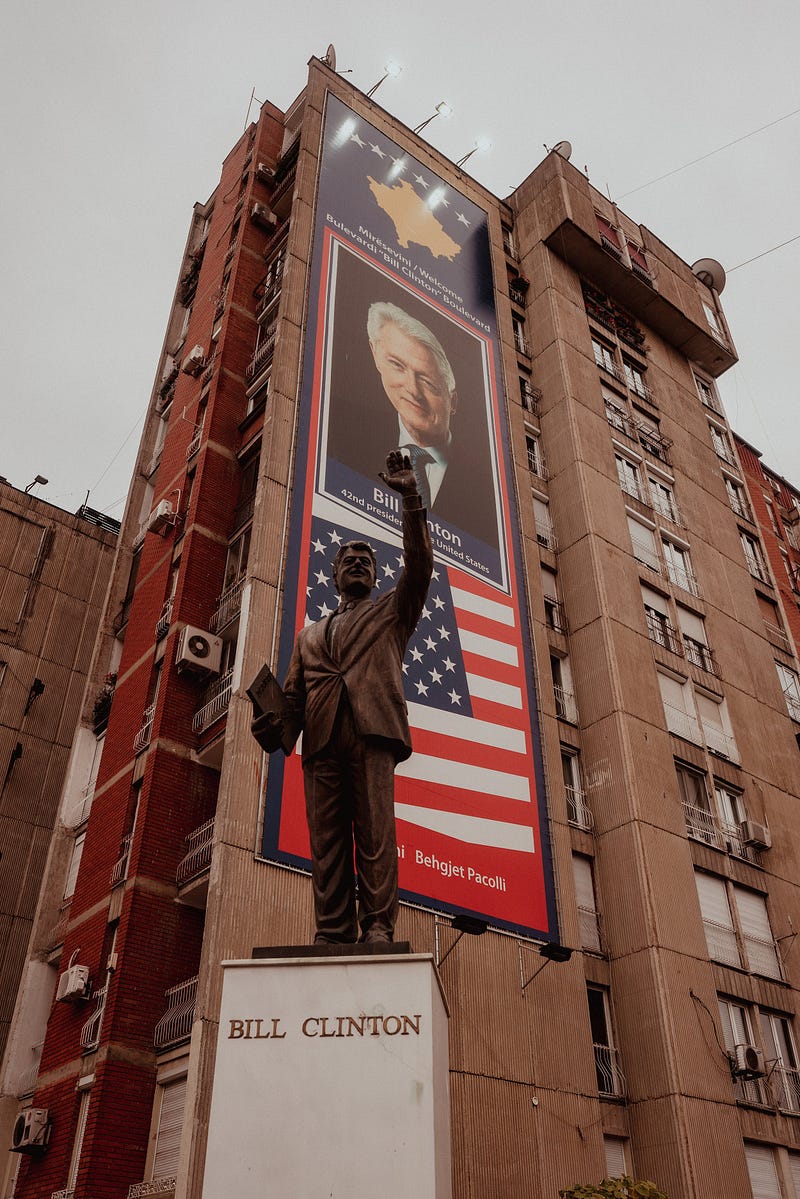
As Karla detailed the background story and the cast of characters that have spun into this web of relationships, I knew this would be an opportunity like no other. However, the anticipation and anxiety that I felt on my flight to Albania a couple of weeks later would prove to be needless, as the delegation was eventually postponed due to rising COVID cases in the Balkans. I still made it to Kosovo, however, walking across the border from Albania on my own two feet.
(This is when I happened to chance upon another job, photographing the High Scardus Trail on the mountainous borders of Albania, Kosovo, and North Macedonia, and beheld beautiful and untouched landscapes that are among Europe’s best-kept secrets).
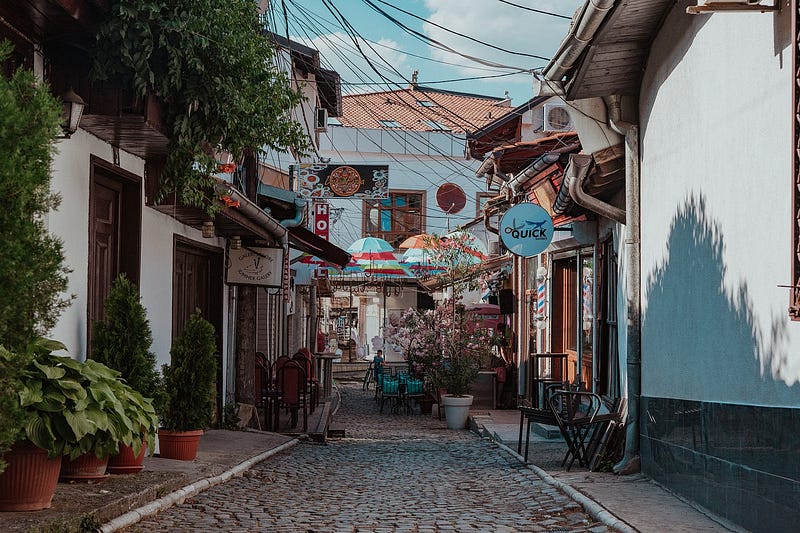
I first arrived in Prishtina, the capital of Kosovo, during a rainy autumn. The bazaars, mosques, and chilling calls to prayer evoked another world and time — but the nightclubs, stately squares, lush parks, and the macchiato-slamming-chain-smoking-cafe culture gave it the feel of the best of cosmopolitan European capitals. When this Iowa Delegation finally was rescheduled to July of 2022, I knew I would make my best effort to be a part of it.
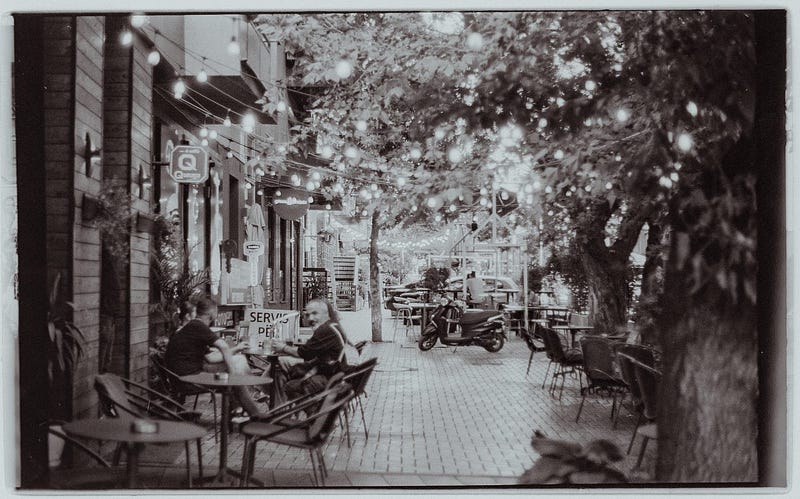
And so I was beyond excited to be back after my greeting at the southern border. Prishtina was buzzing with palpable energy in the middle of the summer. And to make things better, I was going to be for the first time in my travels surrounded by a cross-section of Iowans from the most diverse variety of backgrounds imaginable. It was almost like taking part in a traveling murder mystery, so varied was our entourage. We had a general, a mayor, a police chief, several CEO’s, a couple of pastors, academics, a musician, a teenager, and I half expected to cross a Colonel Mustard and Professor Plum in the Hall with a candlestick at some point.
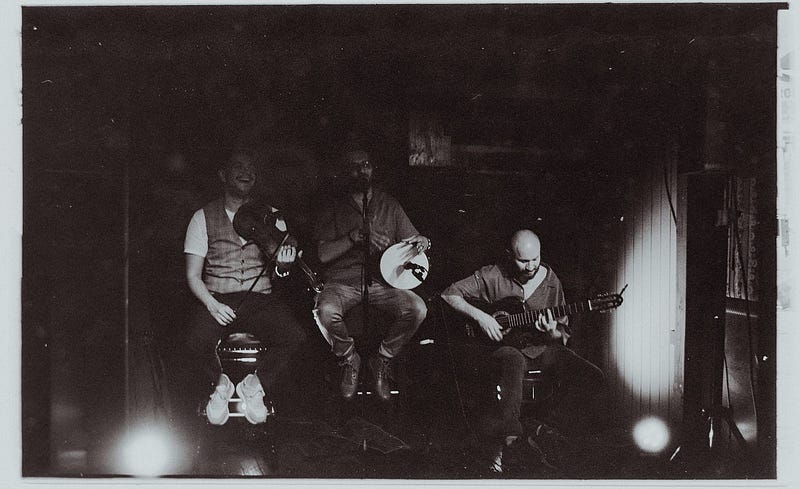
My poor joke aside, I am grateful to have been included in such a group of talented and generous Iowans. The last time I had talked to Todd Partridge, world-traveling musician, writer (also on Medium), and CEO of MoveIt Companies, was six years ago when our respective bands played a show at a venue and bar in Ames, Iowa. And suddenly I was greeting him again in the heart of Prishtina, before dinner with the Des Moines consulate Mission Chief Artan Duraku, and then out to an underground theatre with free food and booze with Todd and his friend Zana, a renowned playwright and feminist activist in Prishtina.
Traveling within such a dense web of personal connections brought us all closer to the beating pulse of Prishtina, granting a level of cultural depth that can take weeks if not months to cultivate when traveling alone in a place where you have no personal connections.
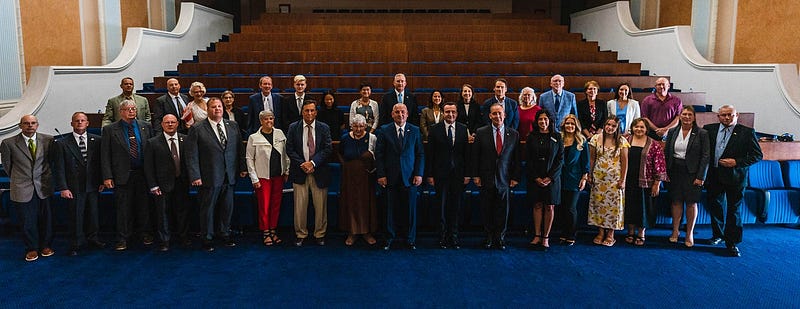
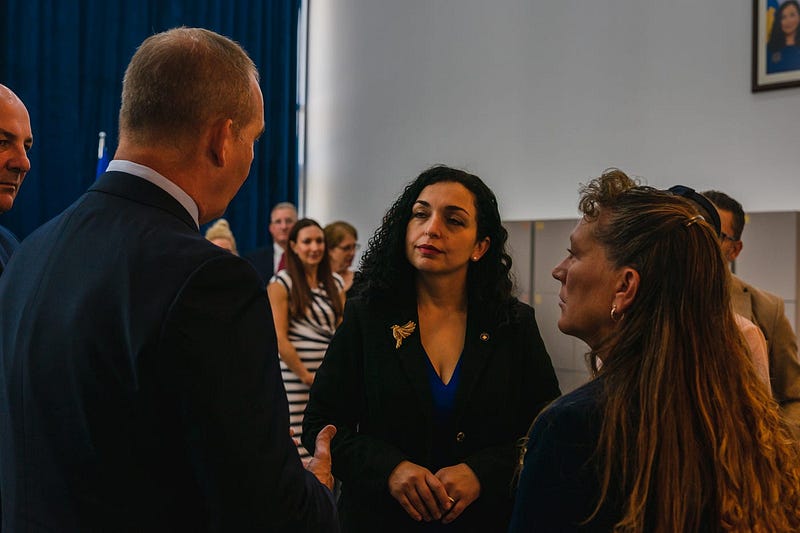
And the absurd connections didn’t stop at the civilian level. Being with the delegation, we had access to levels of government I felt vastly underqualified (as well as underdressed) to be meeting and photographing. We toured the country via military escort and had meetings with city mayors and officials from Parliament, all the way up to the President and the Prime Minister of Kosovo. We also met entrepreneurs, journalists, retired generals, and school teachers. I felt like retired General Xhavit Gashi had to have been my long-lost uncle based on how warmly he introduced himself to me, soon showing me photos of himself as a long-haired singer and artist before he joined the KLA (Kosovo Liberation Army) during the crisis of the ’90s.
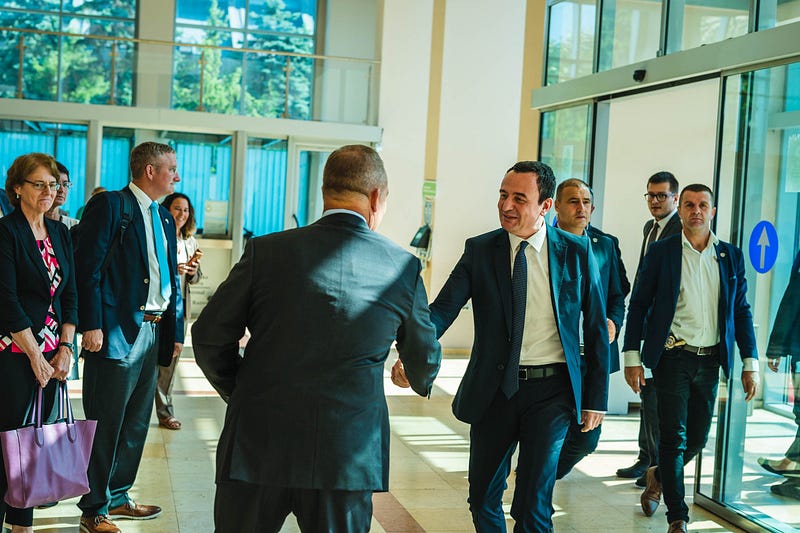
In every meeting, our hosts extended the warmest hospitality and authenticity. We were welcomed to homes and factories, and given tours of municipalities and municipality-sized wineries. There was an emotional intensity present as well as profound gratitude for US intervention in the atrocities of the Serbian regime in the 1990s and 2000s.
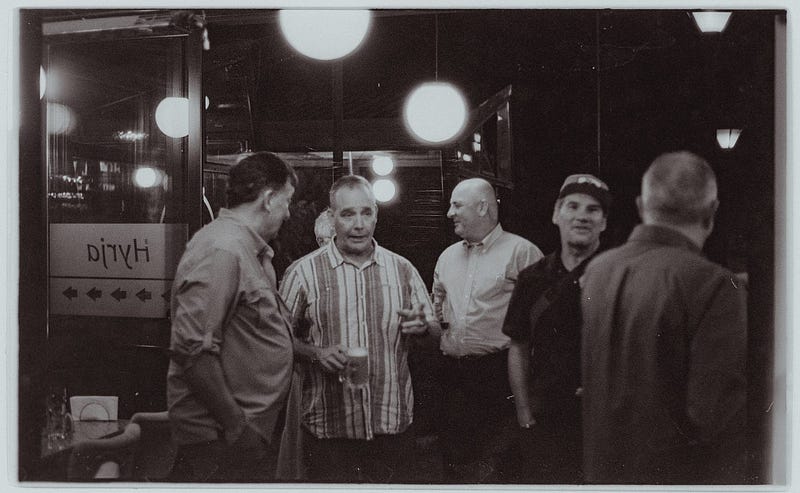
The civilian relationship between the states of Iowa and Kosovo was initiated at the behest of Major General Timothy Orr (now retired), who led the delegation. I was shocked with the modest, approachable way in which he carried himself — had I bumped into him unknowingly in Des Moines (which I happened to actually do in August), it would not have crossed my mind that I was speaking to a decorated general who had led the Iowa National Guard.
There were other retired service members in our company, and they were an absolute pleasure to be around as well, and some were absolute characters. Bruce Roe ("I have a pornographic memory: I’ll remember it when I see it”) would regularly keep an eye out for me as I was lost inside my viewfinder, or thoughtfully snag photos of me since I naturally would not be in any of the photos I was capturing. And Rachel Fails was the biggest help in coordinating the group shots. Photographing our group of over 50 people was never an issue with Rachel taking the initiative to call out orders to position the delegation so I could capture the group photos.
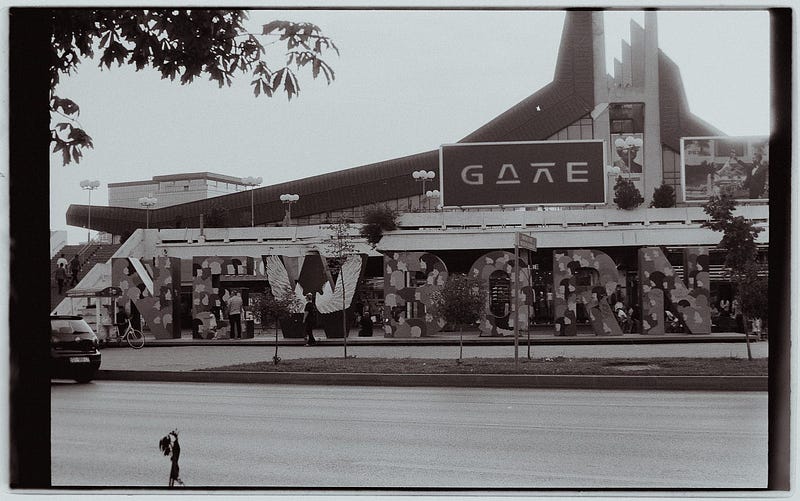
The actual business of the delegation, aside from the celebration and strengthening of the Iowa-Kosovo relationship was to generate more concrete cooperation: university deans and counselors working out student exchange opportunities, public servants looking to build or strengthen sister city relationships, but one of the most tangible impacts came from Iowans in the athletics domain.
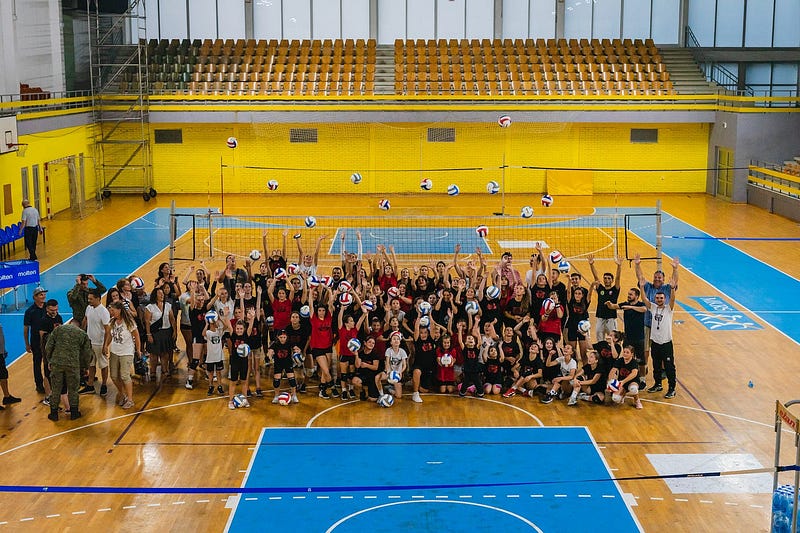
The Iowa and US AAU organizations partnered to send and fill a shipping container with donated sporting equipment, jerseys, and incredibly, over 800 brand-new Baden volleyballs (volleyball being one of the most popular sports in the country). I will never forget that moment in a gymnasium in Gjakova as Teresa Parmenter, a smile beaming from ear to ear, sent one volleyball after another into this crowd of over a hundred students at after-school practice, and the roar and pandemonium that went up as the students received these gifts, then inviting the Iowans to join them in pickup games across the entire gymnasium.
Traveling with this group, in this capacity offered more depth of experience than anything I could have planned on my own. It allowed me to see what citizen diplomacy when done right, can do for everyday people.
And it stressed that interactions like this are far more impactful than anything that can be said or done by even the most altruistic of administrations.
It raised the question of what would happen if we set aside greed, aggression, politics, and just worked to understand each other on a human level.
To family and friends in Iowa reading this who are interested, you should consider volunteering with Iowa Sister States or getting involved in nonprofits in Des Moines like EMBARC, which works with refugees.
To those in other cities — I recommend taking a Google search and seeing what consulates and embassies from other nations exist in your hometown — perhaps they’re holding events that could enable you to get connected with communities of expats in your backyard, and it may lead to an opportunity (travel photography assignment in my case) to get out and travel in the company of newfound friends from home.
The US is never short of visitors and refugees, and you will never be able to anticipate the kinds of relationships that can be forged in this space. As I write this, I am looking forward immensely to the next time I can return to Kosovo, and reconnect with my friends there. If you follow me on Medium, you’ve seen me mention Kosovo a lot, and it was thanks to this delegation that I became so well connected there, and fell so in love with the country and its people.
But I am also thankful for my new friends in Iowa that I gained through the delegation. Whether building new relationships or strengthening old ones, these connections have led to other photography assignments and other relationships in the international community in my hometown.
After that week together, our group bonded to the point where the delegation felt more like a family. We closed out our time together with a sendoff party at a home on none other than ‘Iova Street’. I eventually had to leave Kosovo again for work obligations, but after this visit, I knew that this sister state will likely soon become a home state.