
How I achieve a calm state through photography
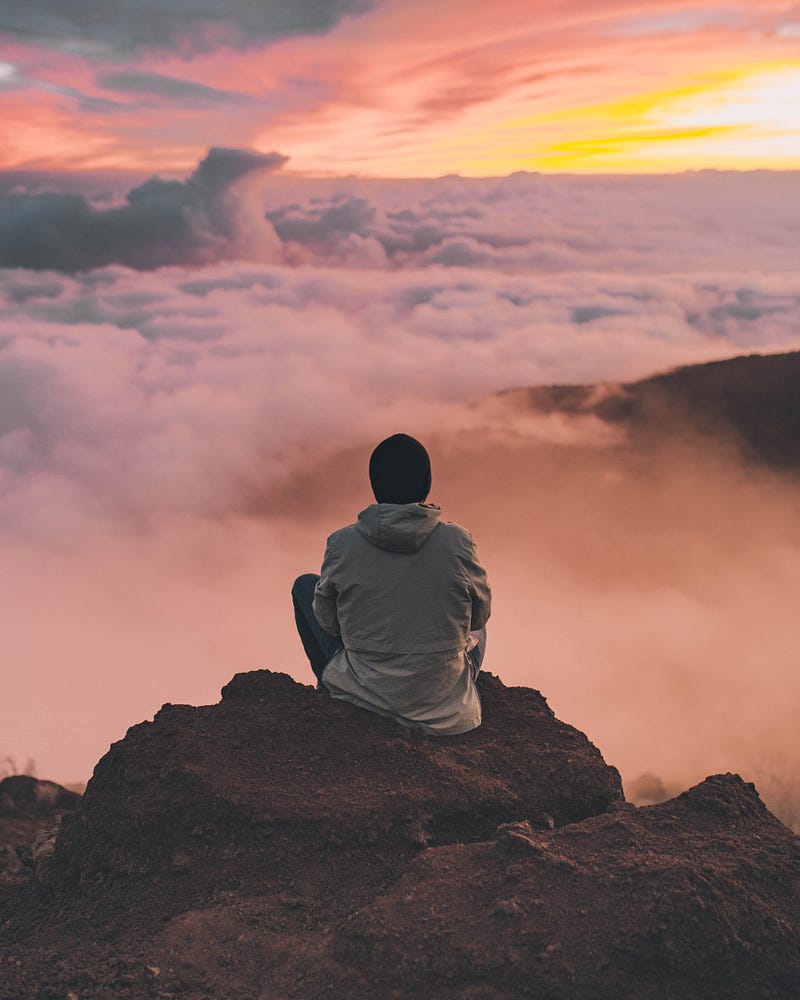
We look older than we are. We are busy but not productive. The incessant flow of information, lack of rest for the brain to process it leads to anxiety and brain-fog which can’t be felt readily but has subliminal effects on your health, physically and mentally. The American Institute of Stress investigated this and found that most health problems are caused by stress.
One way of dealing with stress is to have a hobby where you can immerse yourself, forgetting the worries temporarily, giving your brain the much-needed respite from the constant bombardment of information and you enter the zone of focus, where only one thing matters to you, the task at hand.
We have all felt our sense of time vanish when we surrender ourselves to an activity we truly enjoy.
Having a purpose helps in the alleviation of stress-induced anxiety.
He who has a why to live for can bear almost any how. — Friedrich Nietzsche
My hobby is Photography. To be specific, photowalks.
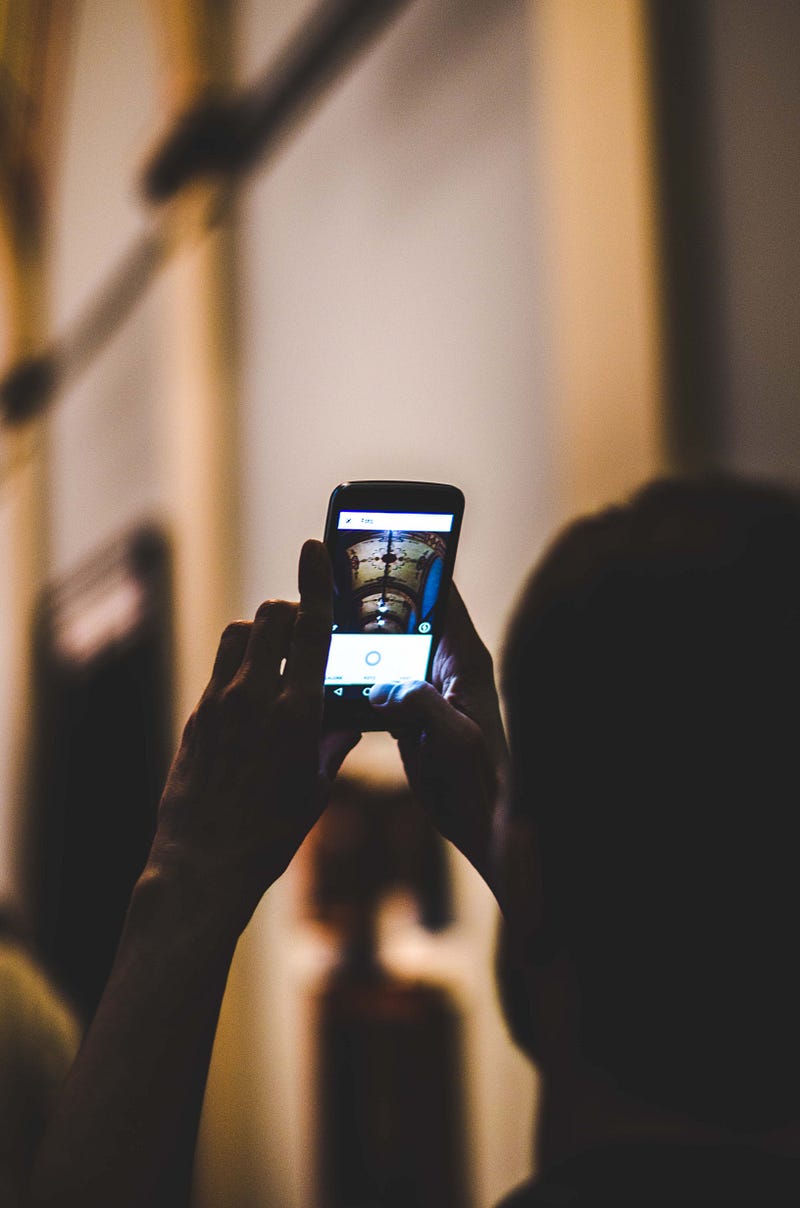
The process
Once a week, I leave my smartphone at home and venture out in the streets on foot with my camera, with no destination in mind, and of course, with spare batteries. No notifications, texts, or emails to grab my attention.
I work with a single camera body and a single lens. This helps me focus less on the technicalities and more on the essential task. Moreover, creativity thrives under technical restraints.
So here I am walking through the streets, observing my surroundings. I open up my senses and approach the world with an open heart and curiosity. I visit the alleys I have never explored before, smile at passing strangers, pet cats if I encounter any, notice the leaves rustling, the city bustling, eyes always on the lookout for something unique, I shoot pictures of subjects that catch my attention. I print out my favorites of the month and proudly hang them on my wall. For every glance, the calm and serene moments from the walks rush back in.
Occasionally, I go on these walks with people who share the same passion for photography. This helps me make long-lasting friendships. For the gregarious human species, friends are the best medicine.
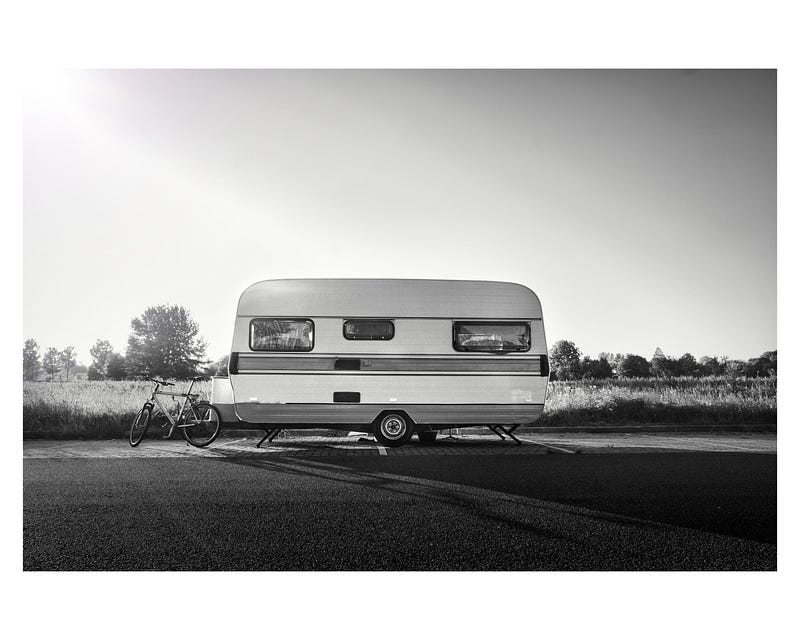
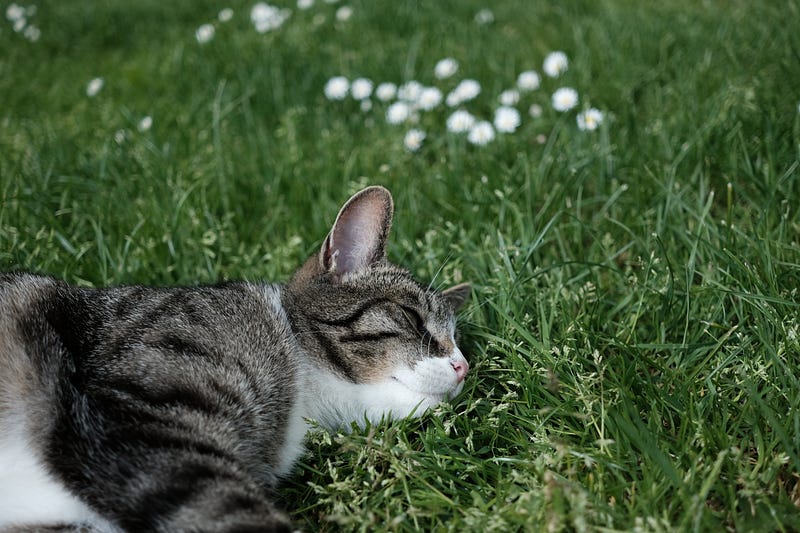
Walking around without distractions such as smartphones or music blaring through your headphones allows me to “re-see” my surroundings.
Neurobiology behind the process
The activity that I just described traces the lines of mindfulness and zen practice. And real biochemical changes are happening when you work on something with a real purpose with all your focus. Dopamine is the neurotransmitter that is released when your brain anticipates a reward. When you are working in an undistracted state with the sole motive to achieve a goal your brain produces dopamine. This makes you want to do the activity repeatedly because your neural networks now know what is the outcome of that particular activity. And this is how you build good habits.
More dopamine=More happiness = Less stress.
Step by step you learn to live in the present, you are mindful of your negative emotions and quickly realize they have short half-life when you deal with them effectively. There is less attentional overwhelm when working on a single task. This is a life skill that gets better over time.
Takeaway
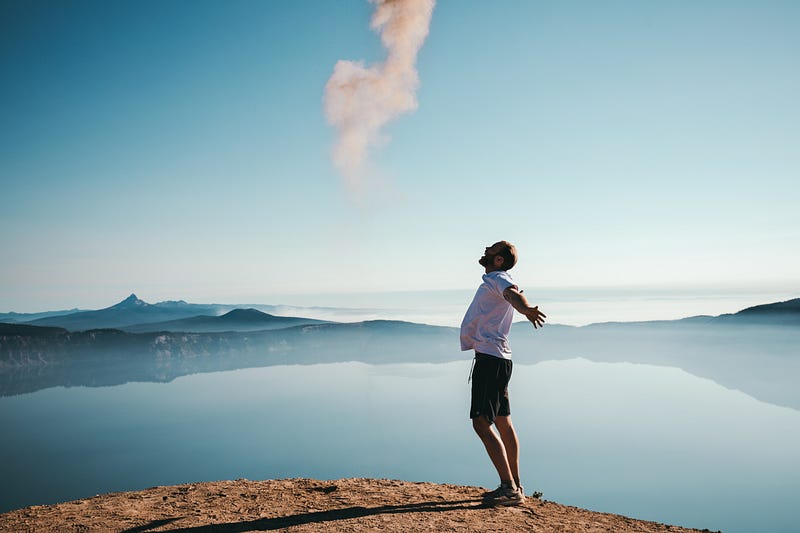
Regardless of what art form you choose to undertake, you can apply these principles and be more mindful. When things get frenzy and you feel your grip getting lose, you can take a step back, eliminate the negative stimuli, and give yourself a moment to slow down and be present in the now.
Let your mind and body wander through the chaos, out on the other end of the tunnel comes a clear head full of ideas and order.
Thanks for reading! Visit my Instagram page for more of my photography.


