
How Helping People With Disabilities Helps Everyone
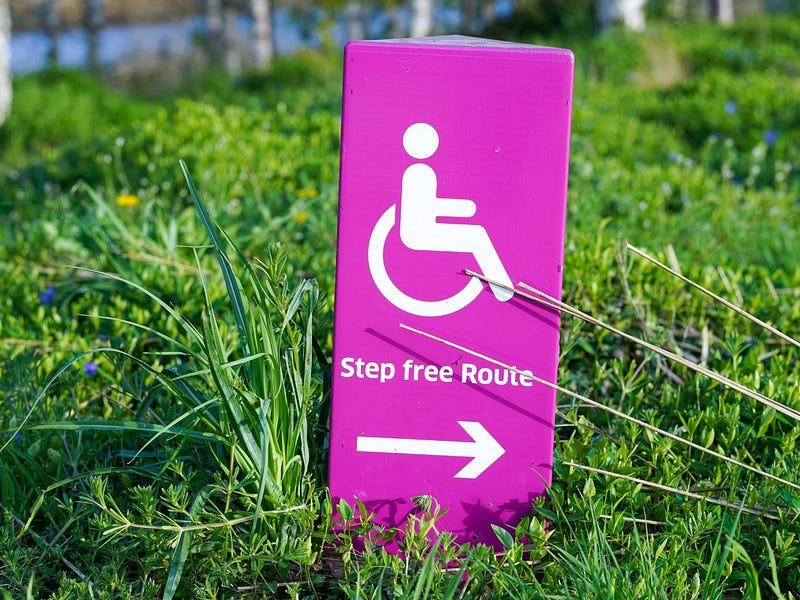
Just because a man lacks the use of his eyes doesn’t mean he lacks vision. Stevie Wonder
Recently the Education Department proposed cutting millions of dollars for the Special Olympics from the budget. Fortunately, intense opposition caused the administration to give in, and the funding remained in place. However, I think it’s a reminder of how we often undervalue people with disabilities in the U.S. and the issues they face.
According to the Americans With Disabilities Act (ADA), their definition of a disability is “a physical or mental impairment that substantially limits one or more of the major life activities.” Further, the ADA website lists possible impairments as; vision, mobility, auditory, neurological, cognitive, medical, and psychological.
The CDC has identified the most common barriers for those with disabilities as:
- Attitudes-stereotypes, stigmas, prejudice, and discrimination
- Communication-no braille or screen reader options for the blind, use of small print or not offering large print versions of materials (like menus)
- Auditory-not using closed captioning on video or television. Oral speeches without a translator for sign language
- Physical- the most common are stairs and curbs
- Policy Barriers-denying reasonable accommodations
Much of the technology that we use today came from products initially designed to offer accessibility to disabled people. Some of the more well-known are driverless cars, virtual assistants like Alexa, Siri, and Cortana, text auto-complete, and auto-captioning.
According to Eve Andersson, Director of Accessibility Engineering at Google, “The accessibility problems of today are the mainstream breakthroughs of tomorrow.”
However, there are so many other things that we can and should do. I would hope that as a society that says everyone’s life is valuable, we could work harder to help disabled people be able to participate fully in that society.

If you or someone you know is affected by this issue, or if you feel strongly that all people deserve the same playing field to maintain their everyday lives, please consider taking action.
Below are some ideas to get started:
1. Educate yourself further on the issues by starting with the pages below-
Indiana University page on accessibility and disabilities
The full CDC page on understanding barriers
2. If you have a business or website, make sure they are accessible. Don’t only do things because you’re legally required to do so. The number of people you are excluding from your audience, clientele, and employment candidates are your loss more than theirs.
To learn about how to make your website accessible start with this article, that provides a simple explanation of how and why.
Then commit to reading more about the web accessibility initiative. It’s made up of companies coming together to make the internet more accessible. The link connects to a tool on their site to develop an accessibility statement “for your website, mobile app, or other digital content. It includes a free generator tool and examples and helps you collect and enter relevant information to create a statement suitable for your particular content and situation.” Get more information in their How to Create Accessibility Statements blog post.
3. If you live in an area that is high risk for flooding, tornados, hurricanes, etc. learn how to help people that can’t evacuate quickly due to their disabilities and make a plan to help them. The CDC provides this information on emergency preparedness.
4. Be aware of your’s and others mannerisms and language around people with disabilities. There’s no reason to pity people with disabilities, and there’s also no reason to act as if they are contagious or below you.
Don’t insist on helping if a person doesn’t welcome help. Try to understand that people enjoy being independent, and it’s not ungrateful to feel that way. At work, push for more diversity, especially if you work at a large company question why there are not more employees with disabilities in the company.
5. Support policies and companies that offer accessibility options for the disabled and champion their inclusion. Noted examples are IBM and Accenture; both have embraced working with people with disabilities and making it possible for them to thrive at work.
6. Volunteer for organizations that focus on helping those with disabilities such as:
–Volunteers of America cares for those with special needs with many different programs like in-home support, specialized residential services, and supportive employment.
- Choice Respect Independence mission is to “provide personalized services to people with mental health needs or developmental disabilities.”
-Various Veterans organizations, including the Veterans Administration, who help veterans with psychological or physical issues developed during their service to the country.


