
Fruitfulness Matters
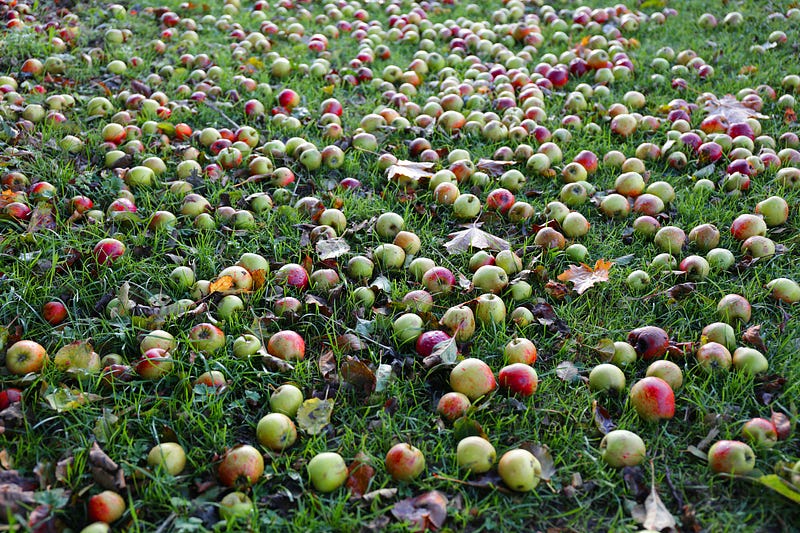
The heart of fruitfulness is that my heart flows to yours.
Fruitfulness is what philosopher Martin Buber calls, an I-thou relationship
“I do this because of who I am in my inner self and I show reverence for who you are in your essence (I-thou).”
By contrast an I-it relationship is seen in the drive towards productivity (https://readmedium.com/4d1558513b0d)
“I do this to gain something from you, regardless of your needs.”
Once we focus on the notion of fruitfulness, and all that it entails, we begin to think differently about what it means to optimize employee performance as well as the nature of our work relationships.
But how does fruitfulness differ from productivity?
The ‘fruit’ in fruitfulness refers to a product that flows from the life or essence of a tree.
Productivity, in contrast, often comes from outside the person, from the employer trying to coax or even manipulate better performance with some quid pro quo arrangement; for example, “Work more or harder and I’ll pay you more.”
In the end, we don’t motivate people; rather, they have to find inspiration within themselves.
In short, people are more motivated by a good job that does the following: expands one’s mind and skills (content/creativity), involves individual initiative (choice), provides the chance to work on a team committed to the same task (collaboration), has value to others or the world (meaning), and sparks the desire to make a difference in the world (contribution).
As human beings, we have a deep need to express our uniqueness and talents in the work we do. The ancient philosophers viewed three aspects of persons that need to be expressed in their work: nous (mind), psyche (the instincts and emotions), and pneuma (spirit).
According to this model, fruitful people are those who effectively engage all three levels in their work. Like the wheels of a car needing to be in balance to insure a smooth ride, these three aspects of being need to be in balance for healthy living and fruitful work.
We will consider these three aspects of fruitfulness I the next posting


