
How Fatherhood Changed My Views on Masculinity
A No-BS discussion on fatherhood and masculinity
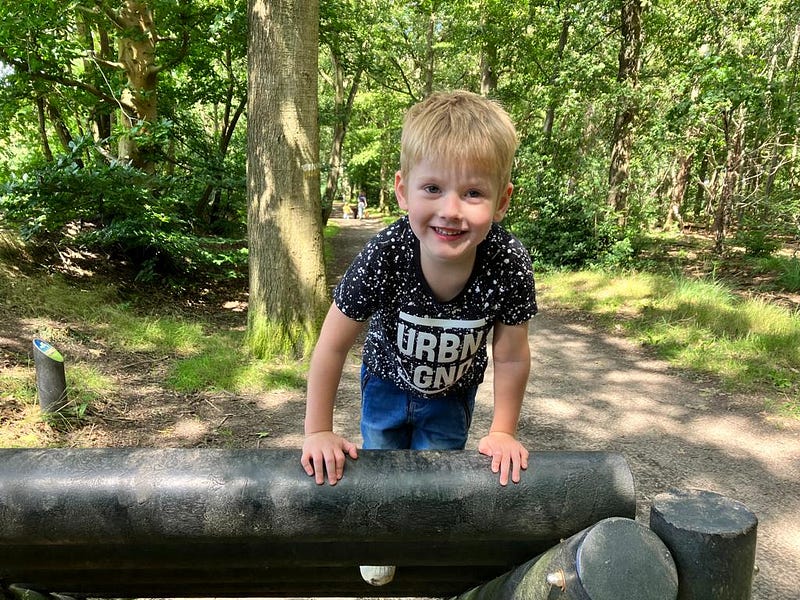
Listen, before I became a dad, my idea of masculinity was as shallow as a kiddie pool. You know, the stereotypical crap: Be tough, don’t show emotions, win bread, yada yada.
But then Dyano came into my life, a beautiful, complex human diagnosed with Autism. And oh boy, did that rattle my entire framework of what it means to “be a man.”
Forget the Marlboro Man, Meet the Autism Dad
Growing up, I was spoon-fed images of rugged guys riding horses, saving the damsel, and fighting bad guys. Real action-hero stuff. But the first time Dyano had a meltdown in public, I realized those cowboy boots wouldn’t help me now.
Being Dyano’s dad has shown me that true masculinity isn’t about how you handle a gun, but how you handle a crisis. And let me tell you, it’s okay to feel lost, scared, or overwhelmed. That doesn’t make you less of a man; it makes you human.
Emotional Intelligence Isn’t Just for ‘Softies’
Do you think you’re tough? Try comforting a child who’s hypersensitive to sensory input. You’ll need the emotional range of an Oscar-winning actor and the patience of a saint.
Fathers in my situation don’t have the luxury of locking their emotions in a steel box and throwing away the key. We learn to pick apart emotional nuances, to tread lightly but deliberately. That’s not “unmanly”; that’s necessary survival.
Strength Through Vulnerability
The big taboo for men: vulnerability. But when Dyano needs me to be his rock, I can’t afford to shy away from my own feelings.
When you’re vulnerable, you’re not weak; you’re open. Open to new approaches, to learning, and, yes, to ask for help when you’re up shit creek without a paddle.
Real strength comes from acknowledging your vulnerabilities and doing something about them.
Dad Bod > Six Pack
Fitness fanatics, don’t crucify me. I love working out, but being in “peak physical condition” took a backseat when fatherhood came knocking.
Now, it’s less about how much I can bench and more about whether I can carry a sleepy kid upstairs without tripping.
The “dad bod” isn’t a sign of defeat; it’s a badge of priority. If that makes me less of a “man” in someone’s eyes, so be it.
I’m too busy being a dad to care.
Unlearning Toxic Masculinity for My Daughter’s Sake
Here’s the kicker: I also have a daughter, Mila. I don’t want her growing up thinking men are emotionally stunted, macho caricatures. I want her to see that a real man is compassionate, understanding, and, yes, even a little sensitive. To be a role model for her, I had to unlearn my own toxic ideas of manhood.
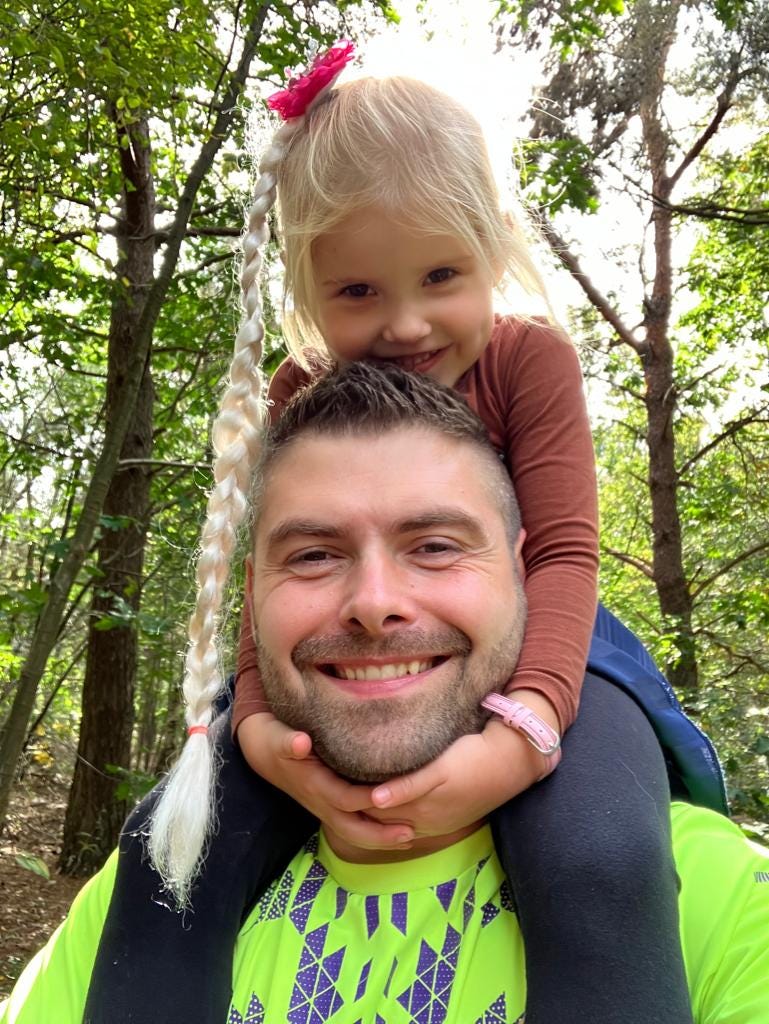
Fatherhood didn’t just change me; it tore down my previous beliefs about masculinity and rebuilt them from the ground up. If you’re still clinging to outdated notions of what it means to “be a man,” trust me, you’re doing yourself a disservice. The sooner you redefine your own masculinity, the better off you — and your kids — will be.


